


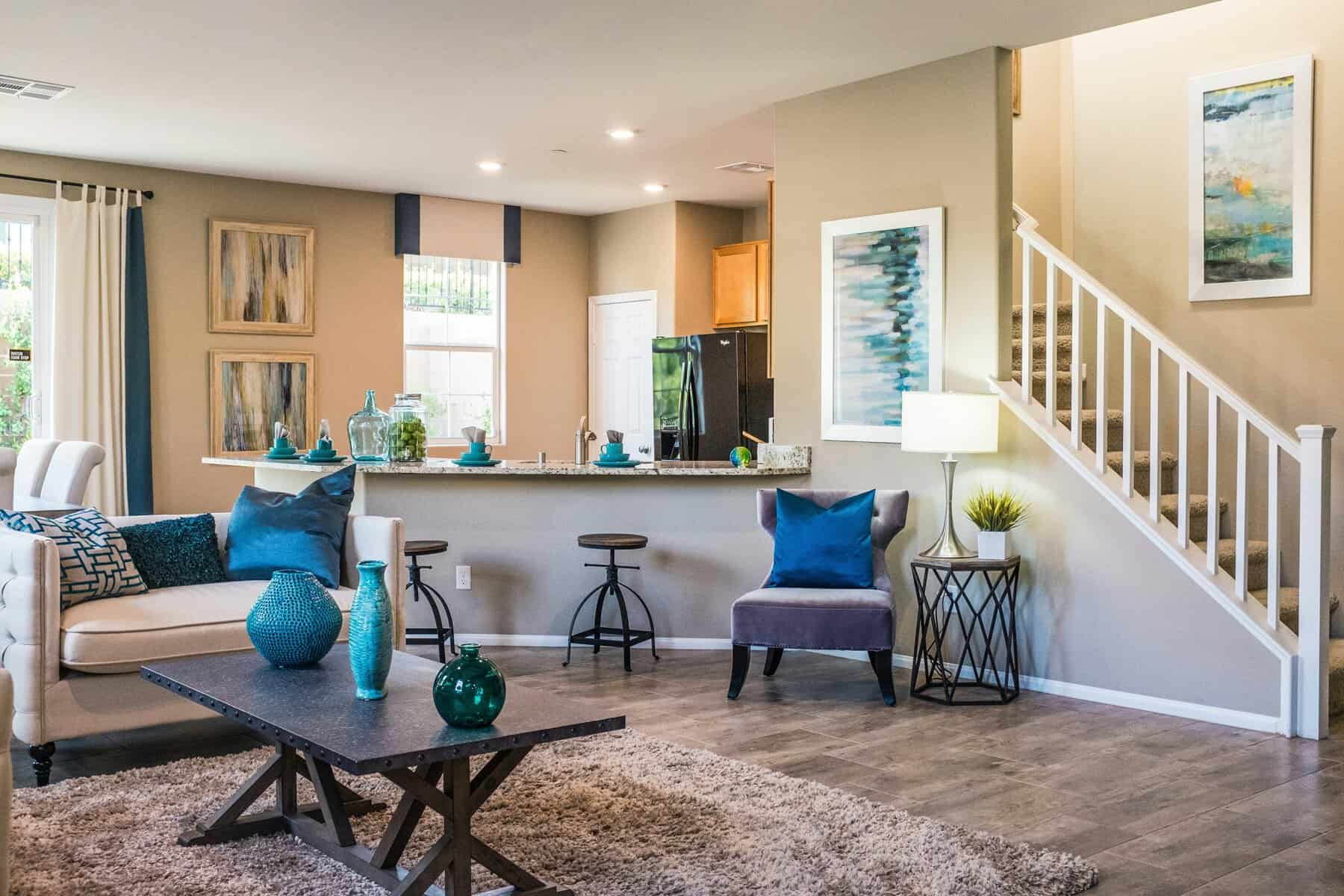
Owning a home doesn’t have to mean spending every weekend on maintenance projects. Thoughtful design choices, durable materials, and efficient housing systems can help make your home easier to care for over time while reducing maintenance costs.
Whether you’re looking for a home in Austin, Texas, Charlotte, North Carolina, or elsewhere, are a first-time homebuyer, want to downsize, or simply want to spend less time doing chores, prioritizing low-maintenance features will make your life easier.
Choose durable, low-maintenance features
The foundation of a low-maintenance home starts with materials and systems that are built to last.
Susan Slaven, Realtor and Broker with Eagle Pointe Realty, explains, “After nearly 30 years in the real estate industry, I have found that buyers always appreciate homes that are designed with simplicity and durability in mind. Low-maintenance finishes, energy-efficient systems, and easy-to-maintain landscaping help preserve home values for years to come while saving homeowners time and money.”
One of the easiest ways to reduce maintenance on your home is to choose materials that are designed to withstand everyday wear and tear. Depending on the finish, the initial cost may be higher, but over time it often pays for itself by reducing the number of necessary repairs and replacements.
For example, luxury vinyl plank flooring is more scratch resistant than carpet and is much easier to clean. Quartz countertops do not require sealing or ongoing care like natural stone. Outside the home, fiber cement siding, stucco, metal or tile roofs typically last much longer than traditional materials and require less regular maintenance.
According to Sanjeev Advani, real estate broker with Heritage Real Estate & Management, “Minimum-maintenance finishes hide wear and tear and avoid damage: luxury vinyl plank or tile flooring over carpet, quartz countertops over natural stone or laminate, stucco or fiber cement exteriors that don’t need to be repainted every few years. On roofs, tile and metal can last 40 to 100 years, but asphalt Singles are about 20 years old.When you combine vinyl double glazing with PEX piping, you get a finish that is essentially natural.”
Beyond flooring and countertop selection, many of the same principles apply to behind-the-wall systems. Features like double-glazed windows, updated plumbing, and durable roofing materials can reduce maintenance needs while increasing your home’s efficiency and comfort.
Simplify outdoor maintenance
Your garden may need just as much attention as the house itself. Traditional lawns often require frequent mowing, watering, and seasonal maintenance, and wood decks may require regular staining and sealing to stay in good condition.
Choosing native plants, drought-tolerant landscaping, mulch, decorative rocks, or composite decking can significantly reduce the amount of time you spend on outdoor maintenance. These options are designed to withstand the elements while requiring less ongoing maintenance and often requiring less water.
Chase Hayden, a broker with NuKey Realty, recommends focusing on cladding materials that suit your climate. “Low-maintenance homes usually come down to durable exteriors and simple systems. We steer buyers toward fiber cement or brick siding, metal roofs, xeriscaping or native landscaping. These choices hold up well through Spokane’s freeze-and-thaw winters and greatly reduce repair and maintenance costs that eat into homeowners’ time and budgets.”
Invest in efficient home systems
Durable finishes often get the spotlight, but some of the biggest maintenance savings come from systems that work behind the scenes. New HVAC systems, updated plumbing, energy-efficient windows, and efficient water heaters are typically less likely to cause unexpected repairs and can also help lower your monthly utility bills.
When you tour a home, asking about the age and condition of these systems can give you a better idea of future maintenance needs and help you avoid unexpected and expensive costs after you move in.
>>Read more: The ultimate home search checklist for buyers
Low-maintenance features do not mean maintenance-free
Even homes built with durable materials and efficient systems benefit from occasional maintenance. Preventive maintenance helps protect your investment, extend the functional life of your home, and reduce the likelihood of costly repairs in the future.
Creating a simple maintenance routine isn’t that difficult. Scheduling annual home inspections, cleaning the exterior, and pre-empting pest problems will help keep your home looking its best while still taking advantage of its low-maintenance features.
Ashton Bradley of Homes of Integrity Construction Company explains, “Regular pest control and annual pressure washing can contribute to stress-free home maintenance and keep your home looking fresh all year round.”
Low-maintenance living starts with smart choices
A low-maintenance home is not about being completely maintenance-free. Instead, it’s important to make intentional choices that reduce the time, effort, and money it takes to care for your home. Durable materials, efficient housing systems, easy-care landscaping, and simple preventative maintenance routines all contribute to a more livable, lower-maintenance home.
FAQ: Features that make home maintenance easier
What kind of flooring requires the least maintenance?
Luxury vinyl plank, porcelain tile, and polished concrete are some of the easiest flooring options to maintain because they are durable, water-resistant, and easy to clean.
Which home exterior requires the least maintenance?
Fiber cement sliding, brick, stucco, and metal roofs generally require less maintenance than wood siding or traditional asphalt shingles.
What should buyers of low-maintenance homes look out for?
We focus on the age and condition of major systems such as the roof, HVAC, plumbing, windows, foundation drainage, and durable interior and exterior materials that are built to last.
