


Thinking about tackling a long list of renovation projects before putting your home on the market? It’s a common instinct, but when preparing your home to sell, bigger isn’t always better. Some updates can make your home more attractive, while others can cost thousands of dollars without adding enough value to justify the expense.
Whether you’re selling a home in Chicago, IL or preparing to list your home in West Palm Beach, FL, knowing which improvements to skip can help you focus your time and budget on updates that will leave the best impression on buyers.
1. Skip major remodeling before going public
A complete kitchen or bathroom remodel may seem like a smart investment, but these projects are often expensive and time-consuming. Unless there is significant damage or functionality issues with the space, there’s a good chance that buyers will want to customize these rooms themselves.
Rather than tearing down the entire room, consider making small improvements to refresh the space. Making small updates like replacing outdated cabinet hardware, updating light fixtures, or repairing worn caulking can make a room feel well-maintained without the expense of a complete renovation.
>>Read: 5 Easy Home Updates to Improve Your Home
2. Luxury upgrades aren’t always worth the investment
Installing high-end appliances, custom built-ins, or luxury finishes may sound like a great way to attract buyers, but luxury features don’t always provide the returns sellers expect.
Different buyers have different preferences, and a feature that seems essential to one person may not be appealing to another. Rather than investing heavily in upgrades that may be overlooked, focus on presenting a clean, functional home that buyers can imagine making their home their own.
3. Think twice before replacing your flooring
Wear and tear on flooring can certainly affect a buyer’s first impression, but you may not have to replace perfectly functional flooring just because it doesn’t fit your style.
Professional carpet cleaning, hardwood floor refinishing, or simple repairs can often refresh a room at a fraction of the cost of installing new flooring. If the existing flooring is in good condition, many buyers will appreciate being able to choose their own finish once they move in.
4. Avoid excessive landscaping
Curb appeal plays an important role in attracting buyers, but that doesn’t mean you need to completely redesign your yard before listing.
Large landscaping projects, installing mature trees, or elaborate outdoor features can quickly become expensive and may not increase your home’s value enough to offset the cost. Instead, focus on simple maintenance like mowing the lawn, trimming shrubs, pulling weeds, adding new mulch, and planting seasonal flowers to create a welcoming first impression.
>>Read: Tips to improve your curb appeal before selling
5. Be careful with DIY projects
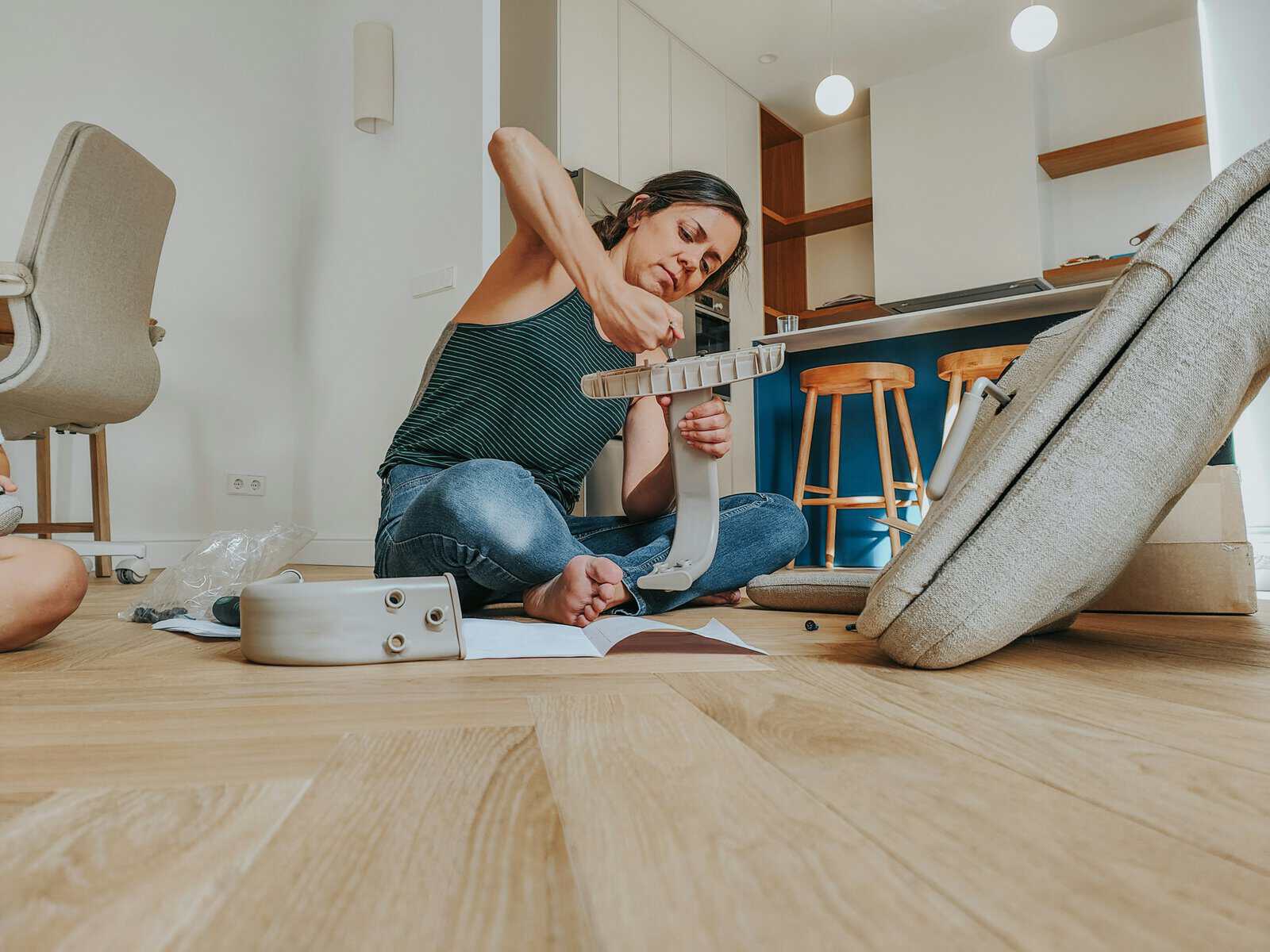
Tackle home improvement projects yourself can save you money, but only if it’s done well. Uneven tiles, sloppy paint lines, improperly installed equipment, or unfinished projects can make buyers wonder if other maintenance has been overlooked.
If you are not confident in completing the project correctly, it is better to leave it to a professional or skip it altogether. Buyers are generally more responsive to a home that feels well-maintained than one with obvious DIY mistakes.
6. Focus your budget on simple improvements that make a difference.
When preparing to sell, your goal isn’t to build a brand new home. This is so that buyers can ensure that the property is well-maintained and ready for its next owner.
“Cleaning, decluttering, and a fresh coat of paint are appealing to buyers and make your home appear larger,” says Tommy Deceval-Adamescu, a certified master home inspector with Home Specter. “Maintenance of mechanical systems and upkeep of the landscape can also have a positive impact without spending too much money.”
Simple improvements like deep cleaning, decluttering, touching up the paint where needed, and making sure heating, cooling, and plumbing systems are working properly can go a long way toward gaining buyer confidence without adding to your budget.
7. Organize your home without wasting money
People often think that selling a home requires expensive renovations, but that’s actually not the case. Rather than investing in projects with uncertain returns, focus on improvements that will keep your home clean, well-maintained, and move-in ready. By prioritizing practical updates over expensive modifications, you can save more money and make a strong first impression.
