


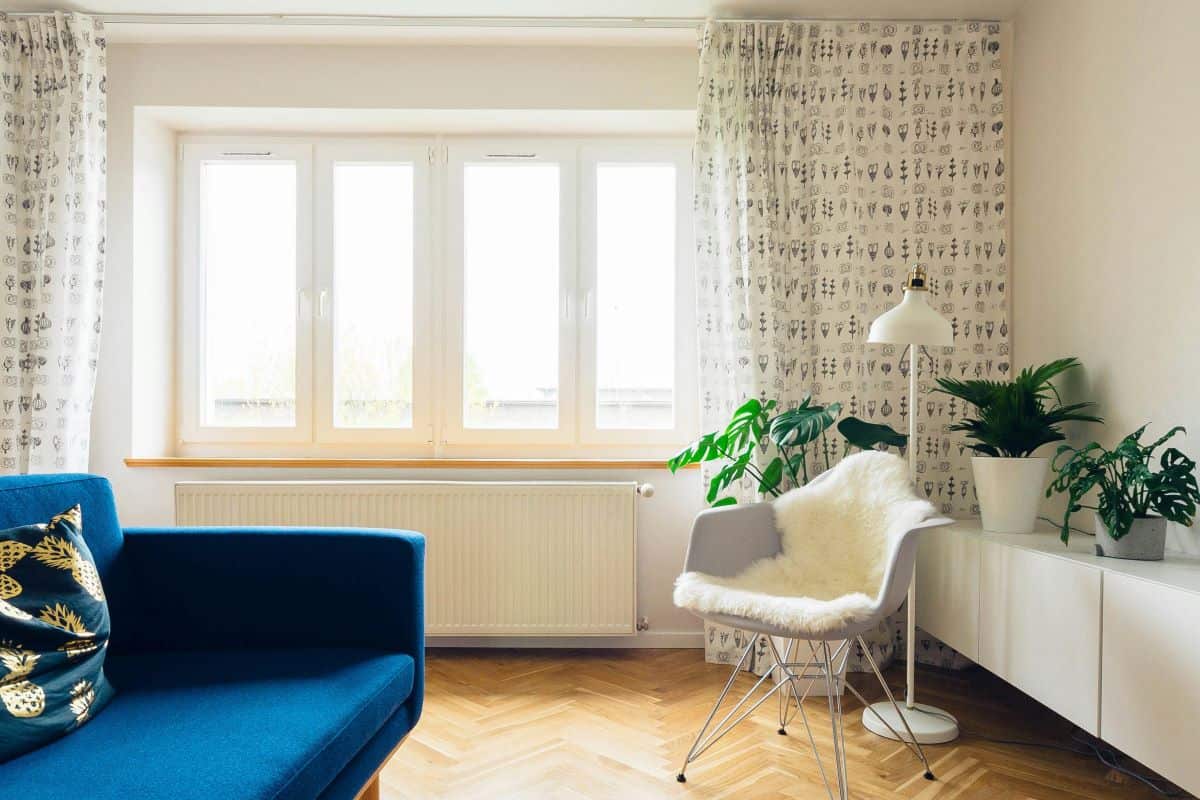
Natural light can change the look, feel, and function of a home, which is why it’s an important factor for many buyers when searching for a home. Knowing how to evaluate natural light when buying a home can help you understand how sunlight passes through each space, how the rooms feel throughout the day, and whether the property’s layout supports your lifestyle.
This Redfin guide explores what buyers should look for when evaluating a home’s natural light, including how architectural, environmental, and design features affect brightness and comfort. Whether you’re touring homes in Seaford, Delaware or looking for property in Williamsburg, Virginia, these tips will help you find a space that feels cozy in any season.
>> Check out Redfin’s new SunScore feature on your listings to see how much sunlight your home gets.
In this article:
Why natural light is important when buying a home
Look at the orientation of your home to understand where sunlight comes in
Pay attention to window position and outdoor environment
Consider how your home’s architecture affects natural light
Check out features to make the most of natural light
Visit your home at different times of the day
Consider how natural light affects your daily life
How to evaluate natural light when buying a home
Why natural light is important when buying a home
Natural light is one of the first things buyers notice when they enter your home. Bright, sunny spaces tend to feel larger, more inviting, and more comfortable, making them appealing whether you’re buying your first home or your forever home. Beyond aesthetics, natural light can also impact the experience of everyday life by creating a more comfortable environment and reducing the need for artificial lighting during the day.
“Natural light is one of the most popular features buyers look for because it makes a home feel brighter, more open, and more inviting,” said Todd Bartushek, a real estate agent with All Metro Real Estate Group. “Homes with abundant natural light often leave a stronger first impression and can help you stand out in a competitive market.”
When evaluating natural light in your home, keep these benefits in mind.
Creates a more open atmosphere. Sunlight can make a room appear larger and larger. Improve the appearance of your home. Natural light highlights architectural details, finishes, and decorations in a way that artificial lighting cannot. Supports daily comfort. A bright living space creates a more enjoyable atmosphere throughout the day. Potentially reduce energy usage. Homes with plenty of sunlight may require less artificial lighting during the day. Increase buyer appeal. Homes with lots of natural light often make a memorable first impression and can generate more interest when it comes time to sell.
>> See also: How to light a room: Designer tips to transform your home
Look at the orientation of your home to understand where sunlight comes in
The orientation of your home has a huge impact on the amount of natural light each room receives throughout the day. While window size and placement are important, the orientation of your home also determines when sunlight enters different spaces, which can affect everything from your morning routine to the heat of the afternoon to the atmosphere at night.
When touring your home, pay attention to which rooms get sunlight and when. Generally:
Rooms facing east tend to get brighter morning sunlight and cooler afternoons. South-facing rooms usually receive the most consistent natural light throughout the day, making them ideal for living rooms, kitchens, or home offices. West-facing rooms enjoy warm afternoon and evening sunlight, but can get hot later in the day. North-facing rooms generally receive softer, indirect light, creating consistent lighting with less glare.
Pay attention to window position and outdoor environment
When evaluating natural light, don’t just look at the size or number of windows, consider what’s around them. Properly placed windows allow sunlight to flood into your rooms while offering beautiful views, making your home feel more open and connected to the outdoors. On the other hand, mature trees, neighboring homes, fences, and other obstructions can limit the amount of light that enters your space.
“Natural light is one of the most valuable features a home can offer. It doesn’t just brighten a room; it frames the ever-changing beauty of the outdoors, from sunlight through the trees to morning light to the glistening of snow to the golden sunset,” said Andrea Ronning, owner and broker at Aspen + Pine Realty. “Homes that let in natural light feel more connected to the outdoors, are more inviting and ultimately more memorable to buyers.”
When touring a home, look beyond the windows themselves.
Look behind the glass. Notice whether the windows overlook greenery, water, mountains, or other beautiful views that enhance the atmosphere of the space. Check for obstructions. Large trees, nearby buildings, fences, or future development can block sunlight during times of the day. Consider the purpose of the room. While home offices can benefit from steady, indirect light, living rooms and breakfast nooks are most comfortable with plenty of sunlight. Imagine the change of seasons. From lush summer trees to bare winter branches, consider how your outdoor landscape and sunlight look throughout the year.
Consider how your home’s architecture affects natural light
Natural light is determined not only by the size of your windows, but also by the structure of your home. Features like ceiling height, room layout, skylights, window placement, and even the age of your home all affect how sunlight passes through your space. A thoughtfully designed home, no matter its size, can make the most of sunlight in a way that makes rooms feel brighter and more inviting.
“Lighting in your home isn’t just important; it’s part of the architecture,” says Beth Caldarello, managing partner at Agency Santa Fe. “There are low ceilings, skylights and small windows, sometimes old adobe bricks that let in light at certain times of the day, making you feel like you’re experiencing how someone lived in that house in the early 1900s. Other times, strategically placed windows let in light and the sky acts as art.”
When evaluating your home’s design, look for architectural features that affect natural light, such as:
Strategically placed windows. Windows positioned to let in sunlight at different times of the day can brighten your home without the need for large glass walls. Skylights and clerestory windows. These features bring daylight into interior spaces that lack traditional exterior windows. Ceiling height and room layout. Open floor plans and high ceilings often allow light to travel farther, while enclosed layouts can create dark areas. architectural style. Older homes may use small windows, skylights, or unique design elements to maximize available light, while newer homes often emphasize spacious windows and open living spaces.
Check out features to make the most of natural light
Beyond a home’s orientation and structure, certain design features can help maximize the amount of natural light that reaches each room. When touring a home, look for elements that allow sunlight to penetrate deeper into the space and create a brighter, more open feel.
Look out for features like:
Skylights and solar tubes. These bring daylight into hallways, bathrooms and other interior rooms where there are no external windows. glass door. Sliding, French, or bifold glass doors can flood your living spaces with sunlight while enhancing your connection to the outdoors. Open floor plan. Fewer walls allow natural light to flow more freely between rooms. Light colored walls and finishes. White or neutral paint, light floors, and reflective surfaces help reflect sunlight throughout your home. Transom or clerestory windows. These tall windows add daylight while maintaining privacy. Minimal window coverings. Thick curtains and dark blinds can block sunlight, but lighter treatments can let more sunlight into the room.
>> Read more: How to use layered lighting techniques like an interior designer
Visit your home at different times of the day
One home tour only provides a snapshot of how natural light fills a space. The quantity and quality of sunlight varies greatly depending on time of day, weather and season, so it’s worth thinking beyond first impressions before making a decision.
Michelle Maloney, Office Manager and Transaction Coordinator with Maloney Real Estate, says, “As we spend more time indoors, brighter kitchens and living rooms can completely change the feel of a home. I always tell buyers to pay attention to where and when the sun comes in, because the home you tour on a beautiful June afternoon is the same as the home you live in on a gray Tuesday in February.”
If you have a chance, look at your home at different times of the day to understand how the natural light changes.
Morning: Notice which rooms are filled with early morning sunlight. East-facing kitchens, breakfast nooks, and bedrooms often receive the most light at the start of the day. Midday: Notice how evenly the light is spread throughout the house. This is a good time to find dark indoor spaces that may rely on artificial lighting. Afternoon: Focus on your living area, home office, and other rooms where you spend time later in the day. Check if the light is comfortable or if glare is a problem. Evening: Observe how your west-facing room feels as the sun sets, and consider whether it’s getting too warm or maintaining a comfortable level of light.
>> Discover: Tips for designing a bright home or apartment when the dark days come
Consider how natural light affects your daily life
Natural light is more than just a design feature, it can impact how you experience and use your home every day. When evaluating a property, consider your daily routine and whether each space has the type of light that supports the way you live. A bright kitchen will make your morning routine more enjoyable, and a bright home office will create a more comfortable workspace.
Think about how sunlight hits the rooms you use often.
Morning routine: If you like to drink coffee, read, and get ready in a bright space, look for areas in your kitchen, breakfast area, or bedroom that receive morning sunlight. Working from home: A home office with consistent natural light can create a more inviting workspace, but be aware that your computer screen may be reflected at certain times of the day. Relax in the evening: Living rooms and outdoor spaces with afternoon and evening light are perfect for relaxing after work or spending time with family. Entertain guests: Spaces with plenty of natural light feel more inviting and make gatherings more enjoyable.
How to evaluate natural light when buying a home
Assessing natural light before buying a home means considering a lot more than just how bright a space feels during a single viewing. Paying attention to when and where sunlight enters each room can help buyers better understand how the home will feel year-round, helping them choose a home that’s more comfortable, attractive, and suited to their daily lifestyle.
