


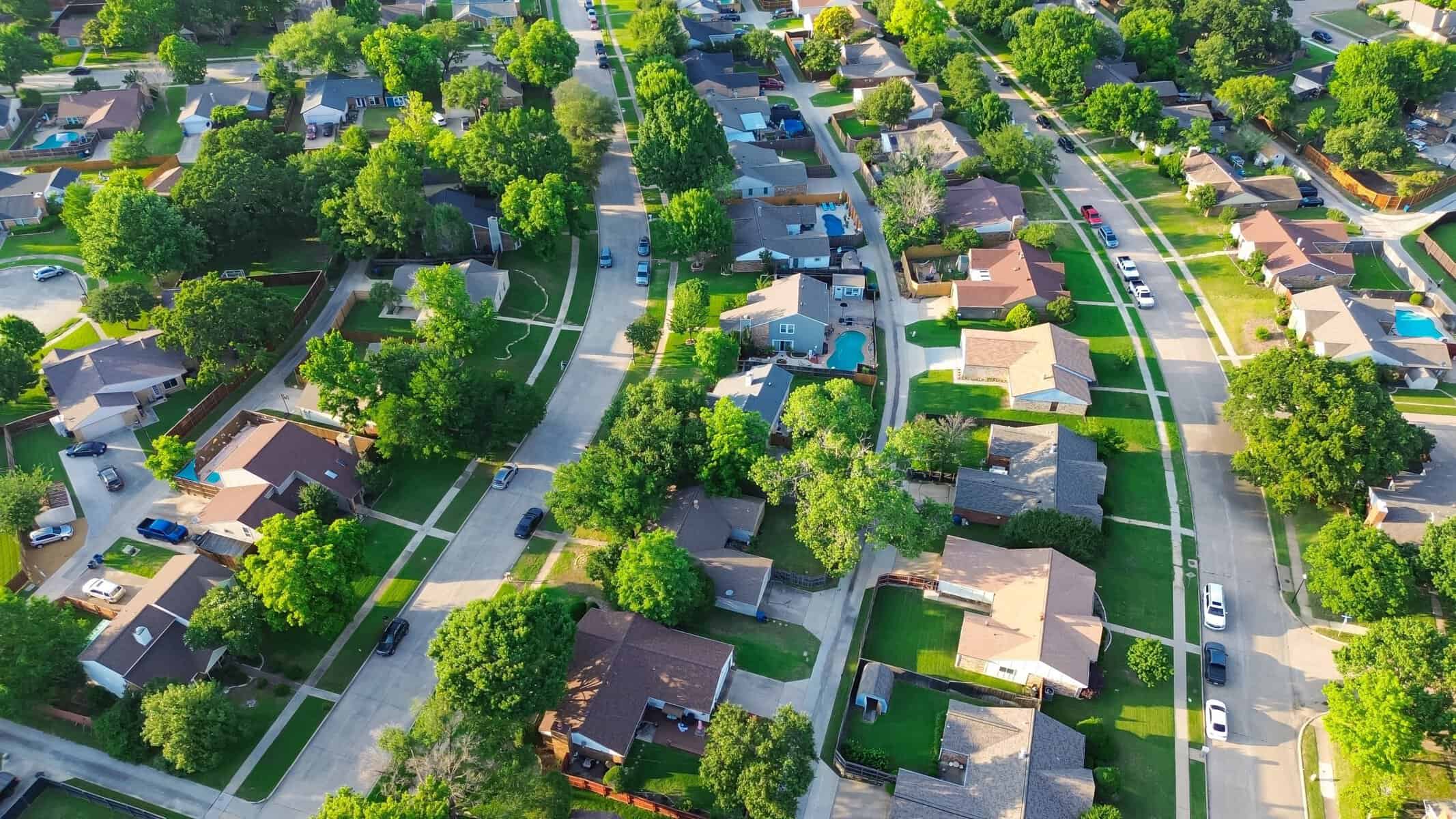
Buying a home is an exciting time full of possibilities and decisions. While the features of the home itself are important, deciding where to live is also a big decision. The right neighborhood becomes the backdrop to your daily life and ultimately defines your sense of home. It’s time to go beyond the general location and learn more about the community.
Whether you’re looking for a home in Newport, Rhode Island, or Boston, Massachusetts, this guide will give you the best tips for choosing the right neighborhood. Ready to find the setting for your next chapter? Let’s get started.
Choose the right region
Choosing a location begins with careful research and a clear understanding of your needs. That means assessing your priorities, utilizing online resources, and even visiting your neighborhood in person. Start by thinking about what’s most important to you, such as great schools, proximity to work, and a social community.
If you need guidance or insight about your local real estate market, contact a licensed real estate agent. Their knowledge of local demographics, future development plans, and real estate values is more valuable than what online resources can provide.
1. Visit the neighborhood in person
One of the most important steps is to get hands-on experience. Plan a day to walk the city, meet the community, and experience what it’s like to live there. It turns out that there are many things that cannot be understood through research alone. Here are some things to do during your stay.
Take a walk: Take a walk around your neighborhood at different times of the day. Notice how busy the streets are, how well-kept the houses are, and whether they feel safe and welcoming. Travel by car: Understand commute times, parking availability, and rush hour traffic patterns. Participate in local events: Farmers markets, community events, and open houses give you a clear idea of how connected your community is. Be aware of red flags: Look out for signs of neglect, noise pollution, and high turnover. All of these could be indicative of larger neighborhood issues.
“One piece of advice I always share is this: Before you go to work, visit your neighborhood at different times of the day and on different days of the week. A street that feels quiet and inviting on a Sunday afternoon can tell a completely different story on Wednesday morning or Friday night. One of my favorite tricks You can get an unfiltered snapshot of the community you’re about to join, from the pace of daily life to the movements of people throughout the day. You can renovate the house itself, but it’s much harder to change the neighborhood.” – Aaron Steed, CEO of Meathead Movers in California
2. Think about future growth and development
Always look ahead and consider what the area will be like in the future. It may be exactly what you’re looking for now, but it could change dramatically in a few years. Plans for expansion, new development, and commercial construction are all important factors to review.
Understand potential growth by examining city planning documents, zoning updates, and upcoming infrastructure projects. Are new facilities, parks, or retail centers planned? Will the increased population impact traffic and noise? Understanding these changes can help predict how neighborhoods will evolve and potentially affect quality of life and home values.
“When evaluating a neighborhood, look beyond the homes themselves and look at the area’s long-term development plans to understand how the community will evolve over the next 10 years. Check local zoning maps and city council meeting minutes to see if nearby vacant land is slated for commercial use or if there are major infrastructure projects planned, as these can have a big impact on property values and quality of life.” – Joseph Group of Edmonds, Washington
3. Find comfort, compassion, and community.
When buying a home, it’s important to understand how the neighborhood feels on a daily basis. . Be sure to research crime rates and overall safety statistics using online resources and consulting your community. It’s best to tailor your research to specific neighborhoods rather than the entire city. Consider the following tips:
Research crime statistics: Use online resources like police department reports and neighborhood crime maps to understand recent incidents and trends. Talk to residents: Neighbors can learn first-hand about street safety, community watch programs, and the general feel of their neighborhood. Check the environment: Look for well-lit roads, well-maintained sidewalks, visible safety measures, and signs of community involvement. Check for emergency services: Note the location of fire stations, police stations, hospitals, and safe routes to schools, parks, and other places you frequently visit.
“Walk around your city at different times and notice who is out and about, how people interact, and whether things feel maintained and active. Safety and livability are not just statistics; they need to be experienced first-hand.” – Sam Eddinger, Business Manager, Ironclad Property Management, Middlefield, CT
4. Match your lifestyle
Your lifestyle plays a big role in determining whether an area is right for you. What works for a family with young children may seem very different from the needs of a recently retired person or someone who has embraced a slower pace of life.
Consider the destinations you visit most often, your daily routine, social activities, and recreational interests. A neighborhood that matches these aspects of your life can make your daily life feel seamless and enjoyable.
It is also important to look ahead. If you grow your family, downsize, or change your priorities, will the area still meet your needs? Factors like walkability, access to green space, and overall pace of life can also influence how comfortable you feel in the long run.
“One of the biggest mistakes people make is evaluating homes without considering how they’ll actually live in the neighborhood. Over the years, we’ve seen that factors like commute time, walkability, access to everyday amenities, and the overall feel of the area often have a bigger impact on long-term satisfaction than the property itself. Before making a decision, consider 1. Spend time in your neighborhood at different times of the day and week. You’ll get a more realistic picture of what life is really like there.” – Steve Suttle Naito, Founder and CEO of Anyplace.
5. Test your commute
Jobs are also something to consider when buying a home. When considering the neighborhood, it might be a good idea to take a test drive and calculate the commuting time.
Be sure to pay attention to traffic patterns during peak hours. If you take public transportation to work, calculate how long it will take you to get there. If you find your commute difficult, try some alternative routes.
“People fall in love with their home, but forget that they’ll be repeating the commute, grocery shopping, and school drop-off routine a thousand times before committing. Make note of store locations and check cell phone coverage and internet options at your exact address. Even a neighborhood that looks perfect on paper can cost you an hour a day and cause a lot of frustration.” – Hendricks Property Management, San Antonio, Texas
6. Look for signs of sustained demand
A neighborhood’s current popularity does not necessarily guarantee long-term value. Before purchasing a home, consider what appeals the area has and whether those factors are likely to remain strong over time.
“Believe in the demand, not the hype. Start by thinking about the reasons why people want to live in an area now and whether those reasons will still be there in five years. Stable jobs, population growth, quality schools, neighborhood amenities, and continued local investment all contribute to It’s a sign that there’s a lasting demand for the area. If you’re buying a home, these factors will help protect your investment. If you’re buying a rental property, combining a great neighborhood with a good property management system and operations will increase your long-term returns.” – Ryan Barone, RentRedi Co-Founder and CEO
7. Assess neighborhood affordability
Before settling on a neighborhood, it’s best to consider your housing budget and the size of home you can realistically afford. When planning your finances, consider your savings and living expenses.
Start by looking at home prices, rental costs, and property taxes in the area you’re considering. Don’t forget to research recent housing market trends to assess the long-term value and appreciation potential of your neighborhood.
In addition to housing, look at everyday costs such as groceries, utilities, transportation, and medical expenses. By gaining a comprehensive understanding of neighborhood affordability, you can determine whether a neighborhood supports a sustainable and balanced lifestyle.
8. Research the school district (even if you don’t have kids)
Schools are a top priority for many buyers. Start by visiting your local school district’s website and look up ratings, student performance metrics, and reviews. Online resources provide additional insight and help you understand the quality of education and programs available. Be sure to take note of extracurricular activities, special programs, and community involvement.
How to choose the right region: final thoughts
A thoughtful approach is key to choosing the right region. There is real value in doing your homework, and perfect preparation blends data-driven research and exploration. By gathering all the information you need and experiencing the location first-hand, you’ll see that your chosen region will set the stage for years to come.
