


When I moved from Seattle to Santa Barbara, California 18 months ago, I knew it was the wrong financial decision. But it was a good life decision.
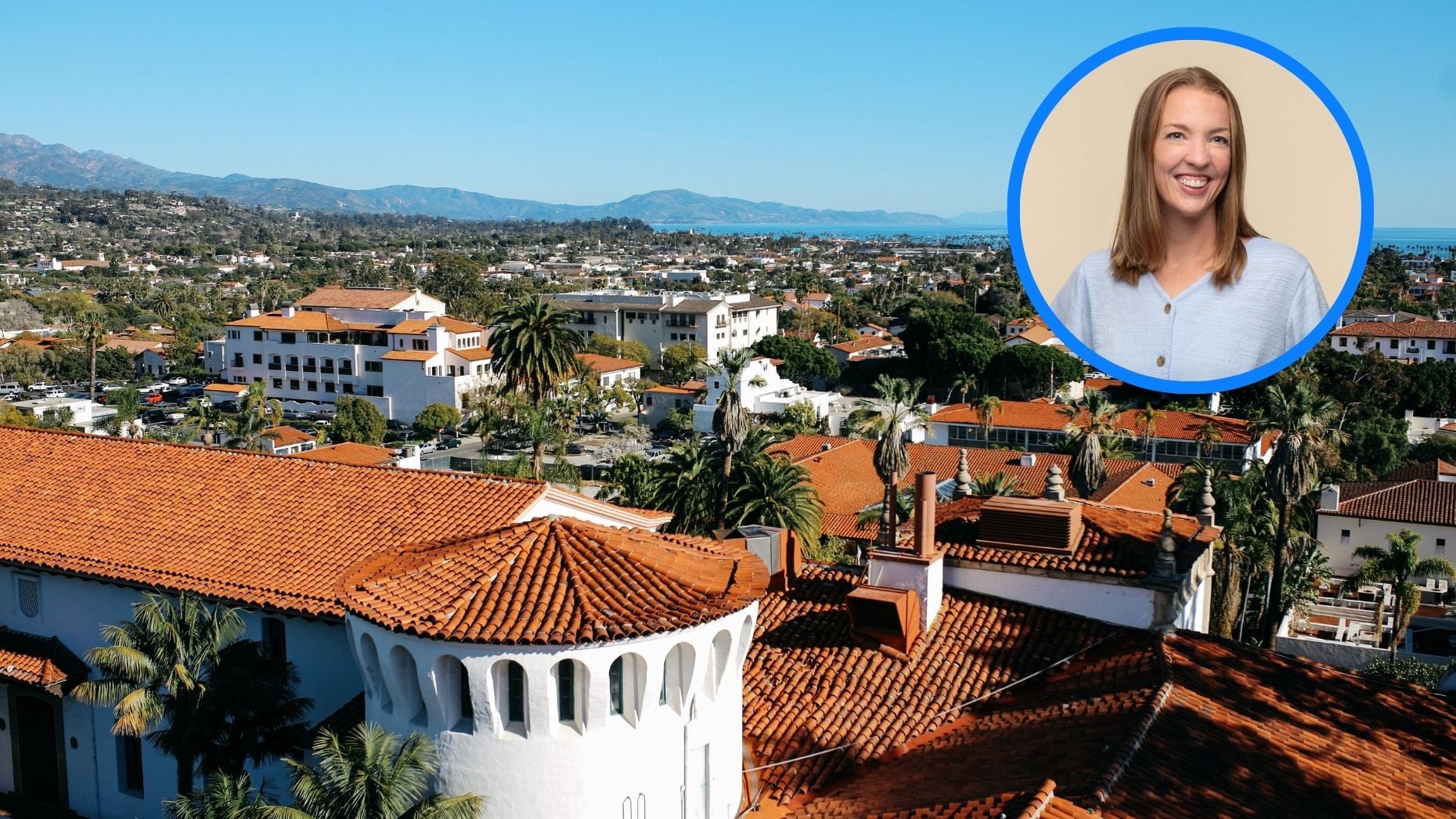
My husband and I wanted to raise our children in Santa Barbara. I attended UC Santa Barbara and even lived there in my mid-20s. I describe life there as a permanent vacation, interrupted by work. They build sandcastles in January and walk their children to school every day of the year.
The only obstacle: rising housing costs
For people like Oprah and the British royal family, buying a house costs pennies. For the rest of us, it’s a challenge. Santa Barbara is one of the most expensive cities in the United States, with a median home sale price of nearly $2 million. And Goleta, a small city adjacent to Santa Barbara and home to many of the area’s non-celebrities, is about as expensive.
Of course, our previous home in Seattle wasn’t cheap. Amazon and Microsoft and tech workers with stock options equate to higher prices. A typical home in Seattle costs about $900,000. My husband and I owned a house in Mill Creek, a suburb of Seattle.
We bought a house in Mill Creek in 2020 during the pandemic home buying boom for $777,000 with a 2.9 percent mortgage rate. Our monthly mortgage payment was $3,800, much lower than the current interest rate of over 6%.
I moved to California and my mortgage payments doubled.
We were locked into low mortgage rates and were prime candidates to stay in our Seattle-area home forever. But we wanted to base our children’s home base not on economics, but on where we would be happiest.
So I sold it in early 2024 when the interest rate was about 6.9%. Our goal was to move to Santa Barbara before our son started school (one of California’s economic perks is that preschool is free for all 4-year-olds). We sold our Mill Creek home for $1.45 million. I was lucky that the value of my house was skyrocketing.
That equity allowed them to afford a home in the Santa Barbara area, where the average interest rate was nearly 7 percent. One of my best friends, a local agent, found us a small, off-market fixer-upper near the elementary school we wanted in Goleta. It was a job of sheer guts. The house had never been renovated since it was built in 1960 and had pink and green shag carpeting.
Still, the seller wanted $1.5 million.
Our original mortgage: 30 years, 7.35%, $8,500 per month.
As expected, the inspection revealed a number of issues, so we negotiated the price down to $1,324,000. This was still an exorbitant price for a rather small house with a broken foundation, 40 year old appliances and a rotting avocado tree. But it was our own home in Santa Barbara. worth it.
It closed in April 2024 with monthly payments of $8,500. We invested 20% using capital from sales in the Seattle area. The best 30-year rate we could get was 7.35 percent. In the end, we decided to consider refinancing.
They also paid about $200,000 to renovate the house (again, using proceeds from a previous home sale) to get rid of the green shag carpet and make it more livable for their family. Fortunately, my father-in-law and husband were able to do almost all the work themselves.
We moved in September 2024, just in time for our son to start transitional kindergarten (TK). Santa Barbara is sunny, lively, full of neighbors, and there’s always saltwater in the air. We walk the kids to school every morning, play boogie boarding, and watch their baseball games are sideline parties in the sun.
The only thing my kids complain about is going to the beach and pool too often. The only thing adults complain about is paying their mortgage. We make trade-offs to live here. For example, a strict no nail salon policy.
Refinanced mortgage: 20 years, 6.2%, $8,800 per month ($300,000 total savings)
By September 2025, interest rates had fallen to 6.3%. Additionally, I improved my credit score by buying a lot of things on my credit card, paying them off right away, and taking the very adult step of adding my name to my dad’s credit card (credit scores aren’t fair).
Our mortgage balance was $1,042,000. If you switch from a 7.35 percent interest rate to a 6.3 percent interest rate, your monthly payments will drop to about $7,700.
But then I calculated the interest I would pay on a 30-year loan. The home was purchased for $1,324,000, bringing the total to nearly $1 million. We considered a 20-year mortgage because a 30-year mortgage would nearly double our housing costs.
There were two choices
Option 1: Refinance to a new 30-year mortgage with an interest rate of 6.3%, paying $7,700 per month and paying approximately $1 million in interest over 30 years.
Option 2: Refinance to a 20-year mortgage with an interest rate of 6.2%, paying $8,800 per month ($300 more than your previous payment) and paying approximately $700,000 in interest over 20 years.
Option 2 means you own your home 10 years sooner, free of charge, and save about $300,000 in interest. That’s about half the price you pay for a condo in Santa Barbara. But $300,000 is not zero.
We chose option 2, a 20 year mortgage. The cost to refinance was $12,000, which we rolled into the loan. If interest rates drop again, refinance again.
Even if interest rates haven’t plummeted, refinancing often makes economic sense. I’m not claiming that buying a small fixer-upper for nearly $1.5 million makes economic sense, but now we will own this house for free in 2045 instead of 2055.
And we can live a rich life. Of course, we are not blessed with money. Most of the money will go towards your mortgage. Instead, it’s got plenty of Santa Barbara vibes.
April is a special theme month where we explore money and finance. We feature conversations with industry leaders about where the mortgage market is heading and how alternative financial products are evolving to meet the needs of today’s buyers.
Dana Anderson is a principal data journalist at Redfin. Connect with her on LinkedIn.
