


As technology tools change, real estate professionals need to double down on what only humans can do with service and sensitivity, writes Roland Kampmeyer.
I start each year by attending Inman Connect in New York. I have been participating since 2011. This year, the conference celebrates its 30th anniversary. I have personally witnessed about half of its history.
Participate in the INMAN Intel Index Survey
What drew me to New York for 15 years was the opportunity to expand my horizons. Interaction with international colleagues, direct contact with the technology industry, inspiration from speakers from completely different fields – all this will help you recognize trends early and see things differently.
In 2017, I referred to this experience as “double exhilaration” on these pages, and I still do. Inman Connect is not mandatory for me. It’s an intentional way to start the year. And this year, that message has never been clearer.
AI is no longer a tool. it’s a matter of mindset
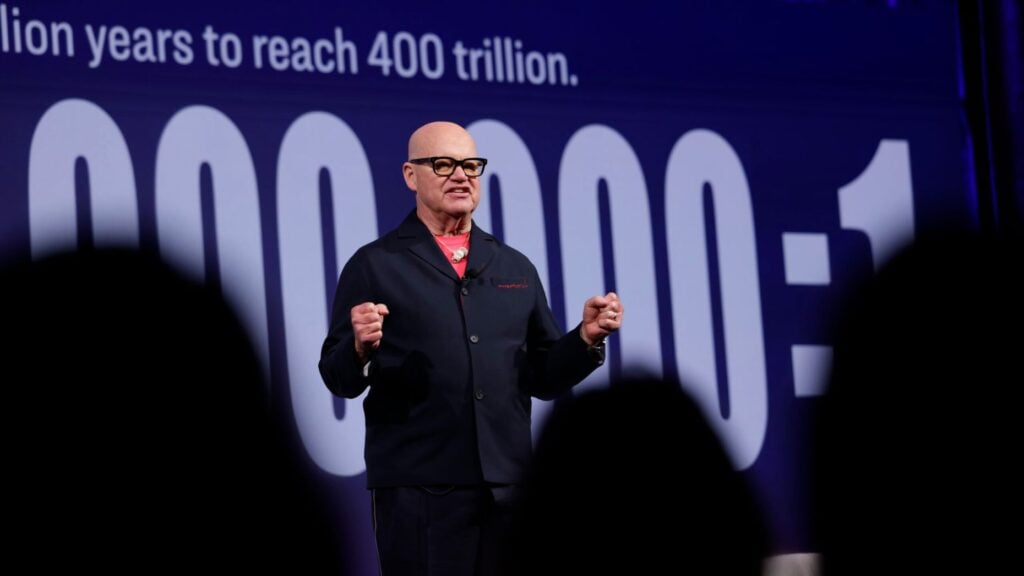
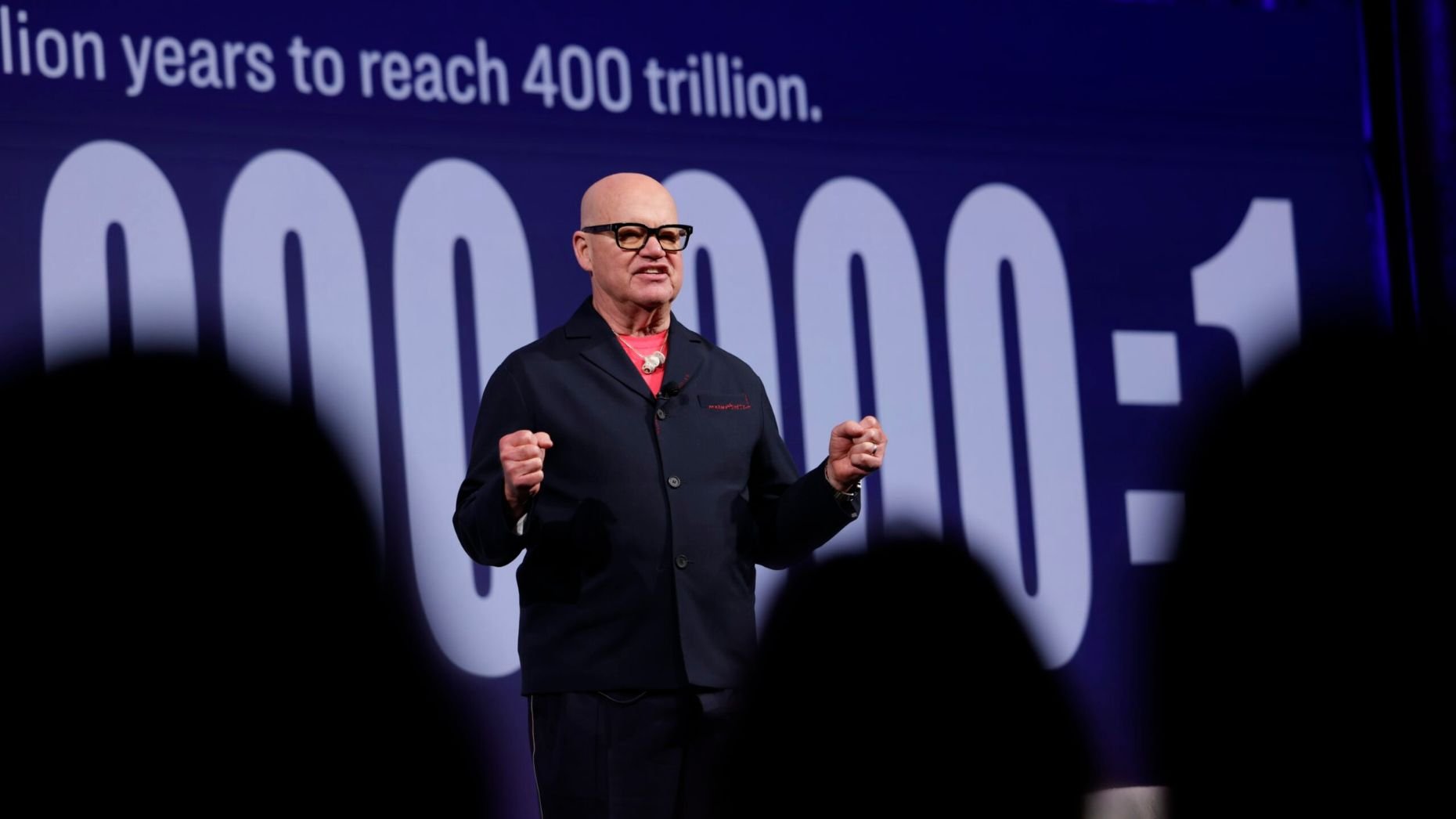
Brad Inman presented a keynote paper that stuck with me. He positions artificial intelligence as the fifth industrial revolution, after the steam engine, electricity, computers, and the Internet.
Mr. Inman’s central message is surprisingly sobering. AI is about amplifying what already exists. Those who work responsibly and practically do better. Those who don’t do this quickly become irrelevant.
He drew parallels with the first Inman Connect in 1996. At the time, only 1% of all listings were online. At the time, there was a similar mix of skepticism and excitement that we see today regarding AI. Inman called it “joyful intelligence,” or the ability to respond to technological change with curiosity rather than fear.
It’s not about whether or not to use AI. Most of us already do that. It’s about the mindset when we use it. AI will not save broken business models. But it can take solid work, real market expertise, and strong customer relationships to a new level. That’s the mindset question our industry needs to ask itself.
From text machine to digital team member
The main technology theme of the conference was the next concrete step: agent AI. Until now, most of us have used AI as a single-purpose tool. You gave ChatGPT a task, got the results, and improved them. This first wave of generative AI continues to be reactive.
The second wave behaves fundamentally differently. In other words, it is an autonomous, goal-oriented system that independently performs multi-step tasks, adapts to context, and delivers results with minimal human oversight. The pace is incredible:
OpenClaw, the personal AI agent that went from being a solo developer’s side project to 195,000 GitHub stars in a few weeks, has been acquired by OpenAI. Anthropic’s Claude Code allows developers to delegate entire coding workflows from the command line.
These are products, not prototypes.
What this means in practice: Instead of generating individual texts, AI will soon be able to orchestrate the entire acquisition process, from data matching to initial outreach and structured follow-up. Several proptechs showcased their first platforms at the expo that promise just this. The U.S. industry is clearly transitioning from discrete AI tools to AI-powered operating systems for real estate companies.
Kahnmeyer Immobilian is working on a similar approach. An AI-powered acquisition coach for advisors, an intelligent database that learns from 30 years of customer and transaction history, and an AI-driven process for listing creation and property discovery.
The challenge is not the technology itself, but how to integrate it without losing what defines the core of our work: personal, substantive consulting.
When AI searches instead of Google
SparkTank Media’s Jeff Lobb published a surprising study showing that 37% of U.S. consumers already use AI-powered search instead of traditional search engines when searching for services. Instead of typing “best real estate agent in my area” into Google, customers ask ChatGPT a question and get curated recommendations. If that answer doesn’t include you, you’ll unknowingly lose potential customers.
AI scans everything digitally available about a company, including websites, blog posts, social media profiles, reviews, and more. In an AI-generated summary, one negative phrase can stand out more than 100 positive entries.
Robb’s warning was unmistakable: those who don’t adapt risk suffering the same fate as BlackBerry. This change has not yet affected all markets to the same extent. But the question is not if, but when.
The more AI we have, the more important humans will become.
Amidst the enthusiasm for technology, the conference had a clear counterpoint. Marketing leaders from eXp Realty, Keller Williams, and Compass International Holdings agreed that while AI is a good starting point, it cannot replace human advisors. Ryan Serhant memorably stated that AI should augment agents, not replace them.
The insight that ran throughout the conference was: The more powerful technology becomes, the more valuable it becomes to do what it can’t do. Building trust, understanding complex life situations, and striking the right tone in difficult negotiations remain core human competencies.
The best real estate professionals of the future will be more than just executors. They will be orchestrators who strategically deploy AI to focus on what really matters: client relationships.
AI doesn’t make advisors obsolete. That will make mediocre advisors obsolete. Those with substance become stronger through AI.
And now?
When I first attended Inman Connect in 2011, David Carr of the New York Times gave a keynote speech called “When the Future Moves in Next Door.” His central message is that tools change, but the craft and its value remain. No one was talking about artificial intelligence back then. Fifteen years later, Carr’s message is more relevant than ever.
This transformation presents an opportunity for those who want to combine technology and matter. As I wrote in last fall’s AI Manifesto, doing nothing is not an option, but neither is blindly following every technology trend. Inman Connect 2026 confirmed that belief.
Brad Inman’s message for the Fifth Revolution is simple. Technology rewards those who use it with responsibility and substance. It’s the same in New York. That’s true everywhere. And that’s still true.
Roland Kampmeyer founded Kampmeyer Immobilian in 1995 and has since built it into one of the region’s leading housing brokerages with offices in Cologne, Bonn and Düsseldorf, Germany. Connect with him on LinkedIn.
