


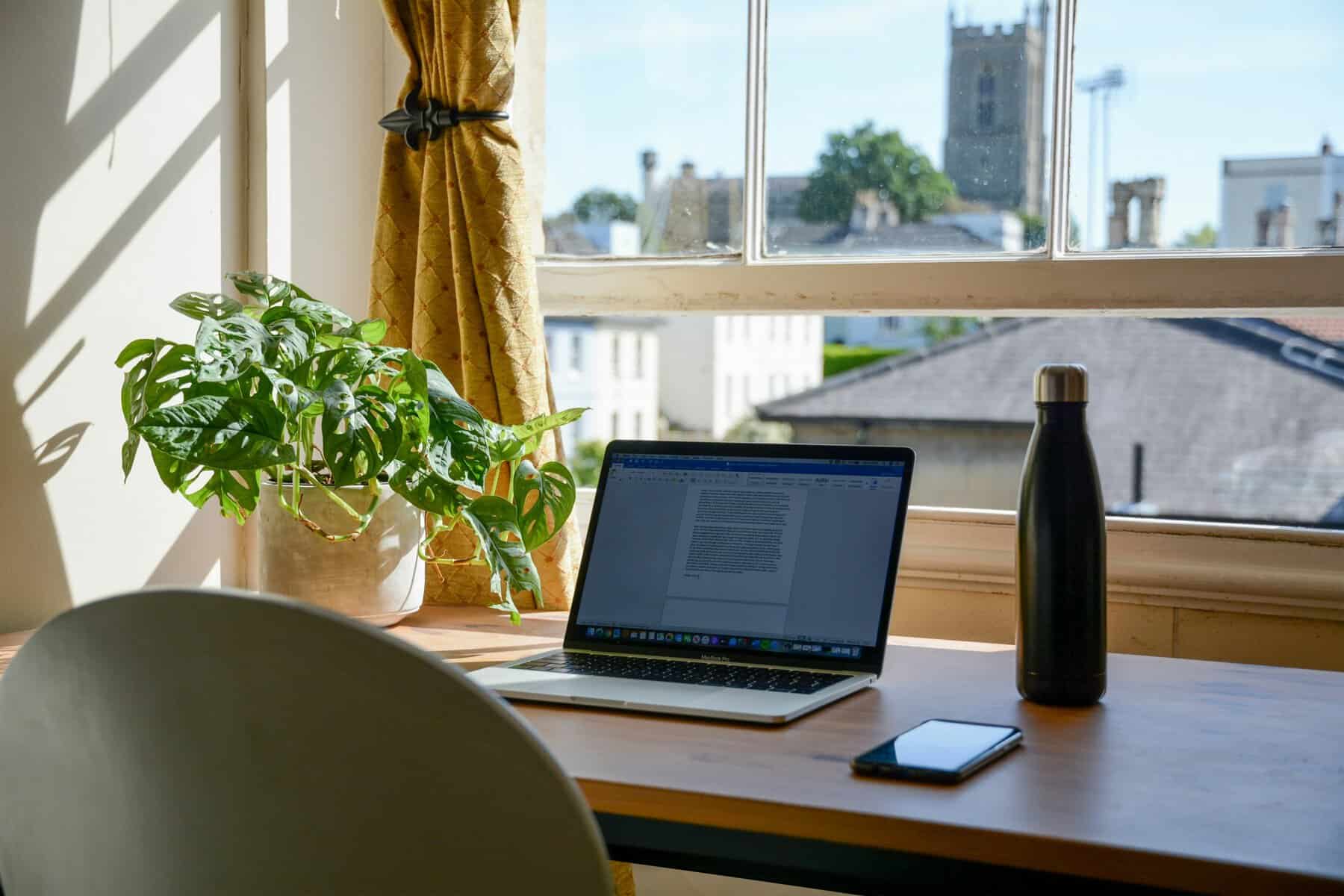
Remote work hasn’t just changed where people log in to work. The places they chose to live were reshaped. Although remote work is not as prevalent as it was a few years ago, its impact is still there. For today’s homebuyers, the ability to work from anywhere has transformed location from a constraint to a strategic choice. Rather than concentrating around job centers, many of these buyers are now comparing cities side-by-side, such as a home in Austin, Texas, versus a home in Denver, Colorado, to assess lifestyle, cost of living, and long-term affordability before making the move.
Tools like home affordability calculators make it easy to incorporate that flexibility into your plans, helping buyers understand what they can realistically afford in different markets.
Here’s how remote work and relocation are impacting real-world home buying decisions.
Rethinking location: From work proximity to lifestyle fit
For decades, home buying began with one central question. “How long is your commute?” This question is still important, but some people continue to work from home or have adopted hybrid schedules, so this question carries different weight. For those working remotely or on a hybrid work schedule, purchasing may not be as tied to driving to the office every day, which opens the door to new markets.
Rather than focusing on proximity to downtown cores or business districts, buyers who work remotely are prioritizing locations that fit the way they want to live. “Remote working and, to a lesser extent, hybrid working, are having a huge impact on home buying decisions. For those who rarely or often have to go into the office, the trend towards more flexible working has allowed many to leave crowded, congested areas and choose a less frenetic lifestyle,” explains Kate Lister of Global Workplace Analytics.
Lister continued: “Even people who go into the office once or twice a week are willing to endure long commutes on the days they have to go. U.S. survey data shows that about 10% are staying away from the office because they can sometimes or always work from home. In the years since the pandemic, the proportion of people currently working more than 80 miles from an office has increased from less than 1% to 5.5% by 2023.”
This change has expanded the geographic “search radius” of these buyers. It’s now common to compare multiple cities and even states before deciding where to put down roots. As a result, long-distance moves have become the norm rather than the exception to homebuying.
Affordability is driving migration patterns
While flexibility is a big benefit of remote work, affordability is often the trigger for the move.
According to Migration Trends, of all major U.S. cities, Sacramento was the most searched destination among homebuyers looking to move between December 2015 and February 2016. Phoenix, Sarasota, Cape Coral and Nashville followed. Los Angeles was the most searched destination among homebuyers looking to move out, followed by New York, Seattle, San Francisco and Washington.
Fully remote or hybrid buyers can target markets where work flexibility stretches their budgets further. This often leads to lower home prices, larger properties, lower property taxes and overall cost of living.
Suburban areas and small cities have moved from backup options to full-fledged candidates. More space and relatively affordable prices give remote workers more scope in deciding where to live.
>>Read: 15 Best Places in America to Work Remotely
Further efforts are expected for housing.
Buyers who work remotely are not just looking for a place to live. They’re looking for spaces that can support productivity, comfort, and flexibility all at once.
One of the most notable changes in the era of remote and hybrid work is the demand for dedicated workspaces. Home offices have gone from being a nice-to-have to a priority for many buyers. If a separate office isn’t available, buyers appreciate how easy it is to set up an office in the home, whether it’s an additional bedroom, a finished basement, or a flexible bonus room.
But there’s more to it than just a desk. Buyers are also looking at:
Natural light and noise levels. Reliable internet connection. A layout that allows you to separate work and daily life.
“Remote work is quietly reshaping home buying decisions, with more buyers opting for areas that offer more value and space than those closer to central business districts. There is a growing preference for homes that can comfortably accommodate work needs, such as a dedicated office area or reliable internet connectivity,” explains remote colleague Hazel Simbilo. “Buyers are also becoming more willing to explore places outside their immediate city, enabled by flexible working arrangements. Overall, practicality and everyday comfort are becoming key factors in people’s choice of where to settle.”
Changing priorities: quality of life over convenience
Without having to commute every day, many of these buyers are reevaluating the location’s desirability. Convenience is not defined by how quickly you can get to the office, but by how well the environment supports your daily life.
“Remote working is shifting home buying decisions from traditional ‘career cities’ to locations with a better overall lifestyle-to-cost ratio,” said Simon Lewis of CoWorking Days. “More digital nomads and remote workers are prioritizing reliable WiFi, access to co-working spaces, and proximity to nature and community over proximity to the office.Flexibility also means people are testing out destinations on a short-term basis before committing to long-term commitments that include co-living, renting, or ultimately buying property.”
This change has led to increased interest in:
Quiet neighborhood with low population density and high walk scores. Access to parks, trails, and outdoor recreation. A community with a strong local identity.
“Remote work is radically uncoupling home purchases and the proximity of a single office, shifting decision-making toward lifestyle, flexibility, and long-term value. More families are prioritizing space, access to nature, and community over urban density, and many are choosing secondary cities and international locations that offer a higher quality of life at lower costs,” says Rick Porteus of Boundless Life. “We are also seeing an increase in ‘portfolio living’ where buyers choose homes that support mobility, either as a primary flexible base or as part of a multi-location lifestyle, rather than a single permanent location.”
Porteus’ company, Boundless Life, which runs educational programs in multiple locations around the world, says the model reflects broader changes among families working remotely. In addition to consistent schooling, access to reliable internet, dedicated workspaces, and family-friendly infrastructure are becoming increasingly important for people traveling between destinations.
A more intentional approach to home buying
For people who work remotely, buying a home takes on a different level of intentionality. With fewer geographic constraints, these buyers are now thinking more critically about what they really want and need.
“Instead of asking, ‘Where do I need to live?'” the question is, “Where do I want to live and why?” “People have more flexibility in where they live today, as the ability to work remotely means home can be anywhere,” Alieke Ingerman details in Working Remotely. “You don’t need to be near an office, city center or public transport. There’s now a growing temptation to leave expensive cities and move to the countryside. The big advantage is that you can get a much bigger house for the money, so you can have a comfortable home office and outdoor space. That’s exactly what I’m doing now in the Netherlands.”
“I can’t wait to be surrounded by more nature and start decorating my new home office. As a digital nomad, I can work anywhere in the world and travel a lot, but I still like to come home and settle down,” explains Ingerman.
This change is leading to more strategic decisions, such as maximizing affordability, investing in a better quality of life, or housing choices that can evolve with changing work patterns.
“Remote homebuyers have gone from chasing cheap zip codes to chasing clean air, spare rooms with doors, and internet that’s good for video calls. We’re seeing some patterns. Even fully remote buyers still need to travel from time to time, so buyers are Calm down within 2 hours of key airports. A couple looking for a four-bedroom home that fits in with two quiet work zones, with climate resiliency on their checklist as power outages mean missed customer calls,” the team at Daily Remote shares. “Tier 2 cities like Chattanooga and Greenville are winning. Buyers are looking for cleaner air, less traffic, and indeed higher budgets in exchange for urban energy.”
Remote work and relocation: redefining home
People working remotely have fundamentally changed their approach to home buying. Remote work has expanded buyers’ horizons, reshaped their housing priorities, and introduced new considerations for flexibility and long-term planning.
For today’s buyers, the decision is not just about finding a home, it’s also about designing a lifestyle. And as remote work continues to impact how and where people live, that mindset is likely here to stay.
