


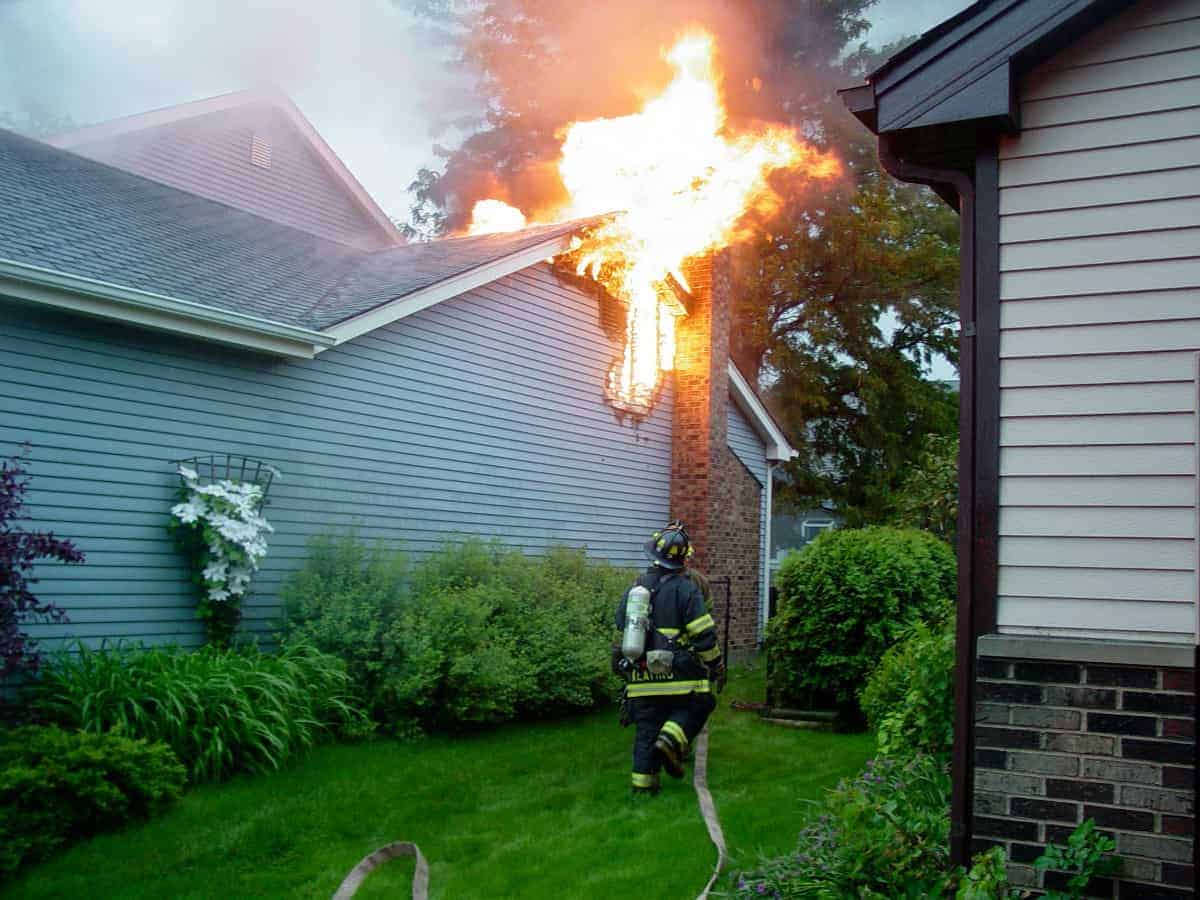
A house fire can change your life forever in a matter of minutes. Once the fire is out, many homeowners are left with the same overwhelming questions. “What do I do after a house fire?” Between smoke damage, water intrusion, damaged property, and the emotional stress of the experience, it can seem impossible to know where to start.
The good news is that taking the right steps early can make the cleanup and recovery process safer and smoother, potentially reducing costs over time. Whether you’re recovering from a house fire in Los Angeles, California, or an apartment fire in Detroit, Michigan, this Redfin guide will teach you what to do after a house fire, from securing your property to documenting damage to improving indoor air quality.
1. Put safety first before entering your home.
Before you think about cleaning or retrieving your belongings, check whether it is safe to enter the premises. Even if a fire appears to be extinguished, it can leave behind hidden structural damage and dangerous residue.
According to Perth Master Building Services, “Safety should always be a top priority after a residential fire, so homeowners should wait for permission from authorities before entering the property.” If possible, avoid entering the home until fire officials, inspectors, or restoration professionals have confirmed it is safe to do so. Homeowners should also avoid entering the property alone, especially if there is potential for structural damage or unstable areas that could unexpectedly collapse.
This step is more important than many homeowners realize. Fire can weaken floors, ceilings, and support beams. Additionally, soot particles and smoke residue can contain toxic chemicals that can irritate the lungs and skin.
Perth Master Building Services warns homeowners if they need to enter a home for any reason to “wear protective equipment and be aware of structural damage, soot contamination and residual moisture from firefighting operations.”
2. Securing a temporary evacuation site and protecting property
One of the first priorities after a fire is to make sure everyone has a safe place to stay. If you can no longer live in your home, contact a family member, friend, or temporary housing service immediately.
“Prioritize safety by providing shelter for yourself, your family, and your pets,” explains David Blades, associate director of industry research and analysis at AM Best.
If you must leave your home vacant, protect it from further damage or theft. Fires often break windows, damage doors, and expose entry points. Blaise advises homeowners to “cover broken windows, doors and other openings to the outside with plywood. We hope this will help deter thieves and robbers.” He also said homeowners should notify local authorities “especially if they have to leave their home unattended after a fire.”
Taking these steps early will help prevent further losses while the insurance and restoration process progresses.
3. Document everything you need for your insurance claim
Detailed documentation can make a big difference when filing a homeowners insurance claim after a fire. Once authorities say it is safe to return, take photos and videos of all affected areas before beginning cleanup. Capture structural damage, smoke stains, broken furniture, appliances, electronics, and personal items.
Blaise recommends homeowners “document all damage. Take photos and videos and try to make a list of destroyed or damaged items, including all personal property.” This document is required for filing a fire insurance claim.
Even if the damage is minor, contact your insurance company as soon as possible. Blades emphasizes, “Regardless of the amount of damage to the home, homeowners should contact their homeowner’s insurance company to file a homeowner’s claim.”
“And if you need to relocate to a local hotel or other location, keep all receipts related to additional living expenses,” Blaise says. “Most insurance policies will cover these costs up to a certain limit.” Many policies will cover additional living expenses during repairs.
4.Quickly remove moisture and prevent mold.
Many homeowners only focus on fire damage, but neglecting water damage from firefighting efforts can be another serious problem. Standing water and damp materials create a perfect environment for mold to grow, especially on drywall, insulation, carpeting, and wood framing.
“After a house fire, immediately dry the space and clean all surfaces to improve indoor air quality,” says Emma Beguhn of Sylvane. She recommends “using a water damage restoration grade fan to remove moisture and a dehumidifier to prevent mold growth.”
The faster your property dries, the lower the risk of long-term mold problems and lingering odors. If possible, open windows to increase airflow throughout your home. If the damage is extensive, professional fire and water restoration companies often use industrial drying equipment to remove hidden moisture trapped behind walls and under floors.
5. Improve indoor air quality after smoke pollution
Smoke particles can linger in the air even after the fire is out and settle on furniture, carpets, ductwork, and walls. Poor indoor air quality can cause headaches, breathing problems, and lingering smoke odors.
Beguhn explains that homeowners should “clean walls, floors, furniture, and ductwork using HEPA wet and/or dry vacuums, steam cleaners, and cleaning products designed to remove smoke and odors.”
Ventilation also plays an important role in smoke removal. “Open windows and use fans and ventilation systems to bring in fresh air and eliminate smoke and odors,” she says.
For homeowners considering what to do to make their home livable again after a house fire, improving air quality should be high on the list. Replacing your HVAC filters and using a HEPA air purifier can remove tiny smoke particles that standard filters miss. Beguhn also recommends using air quality monitors to track indoor conditions during the recovery process.
6. Carefully remove soot
Soot is one of the most difficult parts of cleaning up after a fire. It spreads easily, stains surfaces quickly, and can permanently damage the material if cleaned improperly. Instead of scrubbing aggressively, use specialized cleaning products designed to remove smoke and soot. In many cases, restoration professionals can prevent further damage to walls, ceilings, and furniture.
After a fire, windows often require special care because smoke residue leaves thick stains and dark streaks. Kieran Yong, owner of Hal Bennett Window Cleaning, explains: “When cleaning after a fire, expect windows to be particularly dirty and need to take extra precautions.” After a fire, strong cleaning solutions will likely be necessary, and each window will be washed twice to ensure all smoke residue and dirt is removed.
One often overlooked problem while cleaning windows is runoff from the soot-filled wash water. Yong warns that dripping residue “can be very dark and easily stain paint, carpet, and untreated wood.”
To avoid causing new damage while cleaning, Yon recommends “using a dark-colored towel under the window while cleaning, in addition to placing a rag on the floor.” Work slowly and carefully to minimize splashing and avoid spreading soot to the areas of your home being cleaned.
7. Don’t rush the restoration process
After the immediate emergency passes, many homeowners want to quickly clean everything and get back to normal life. But rushing can lead to bigger problems later on.
Perth Master Building Services warns homeowners “not to rush into cleaning as hidden damage and dangerous residue can worsen if not handled correctly”. Smoke can also penetrate insulation, HVAC systems, and seemingly intact structural materials. Water that collects behind walls can lead to hidden mold growth after a few weeks.
A professional restoration team can assess damage that homeowners may not be aware of on their own. Hiring a certified fire damage restoration professional can often prevent future repairs and save you money in the long run.
Moving forward after a house fire
Recovering from a fire can be physically and mentally exhausting, but organized steps can help you regain control during difficult times. Knowing what to do after a house fire starts with keeping yourself safe, carefully documenting the damage, quickly addressing smoke and water damage, and working with qualified restoration professionals if necessary.
The process of decluttering may take some time, but if you handle each step properly, you can restore both your home and your peace of mind.
