


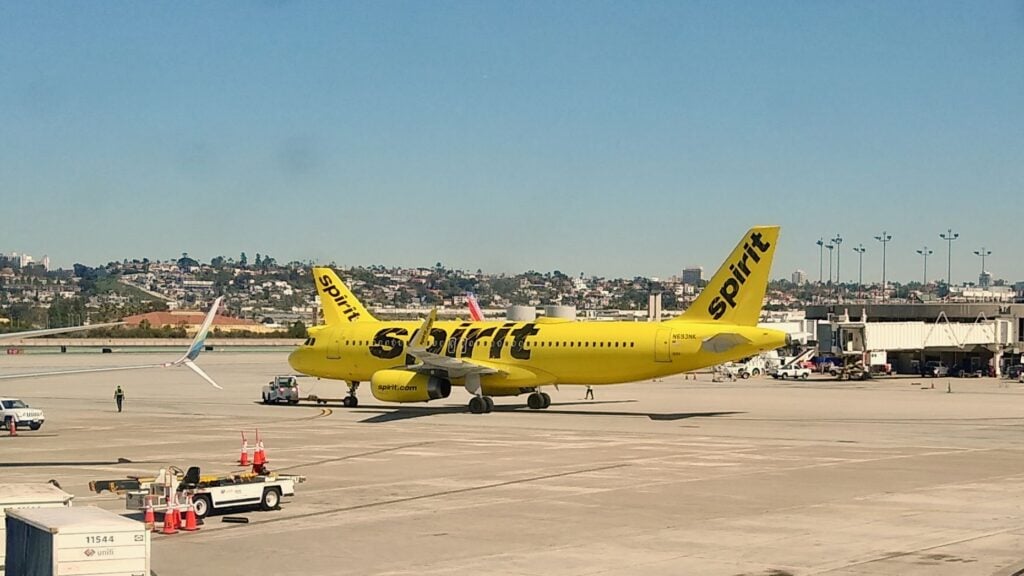
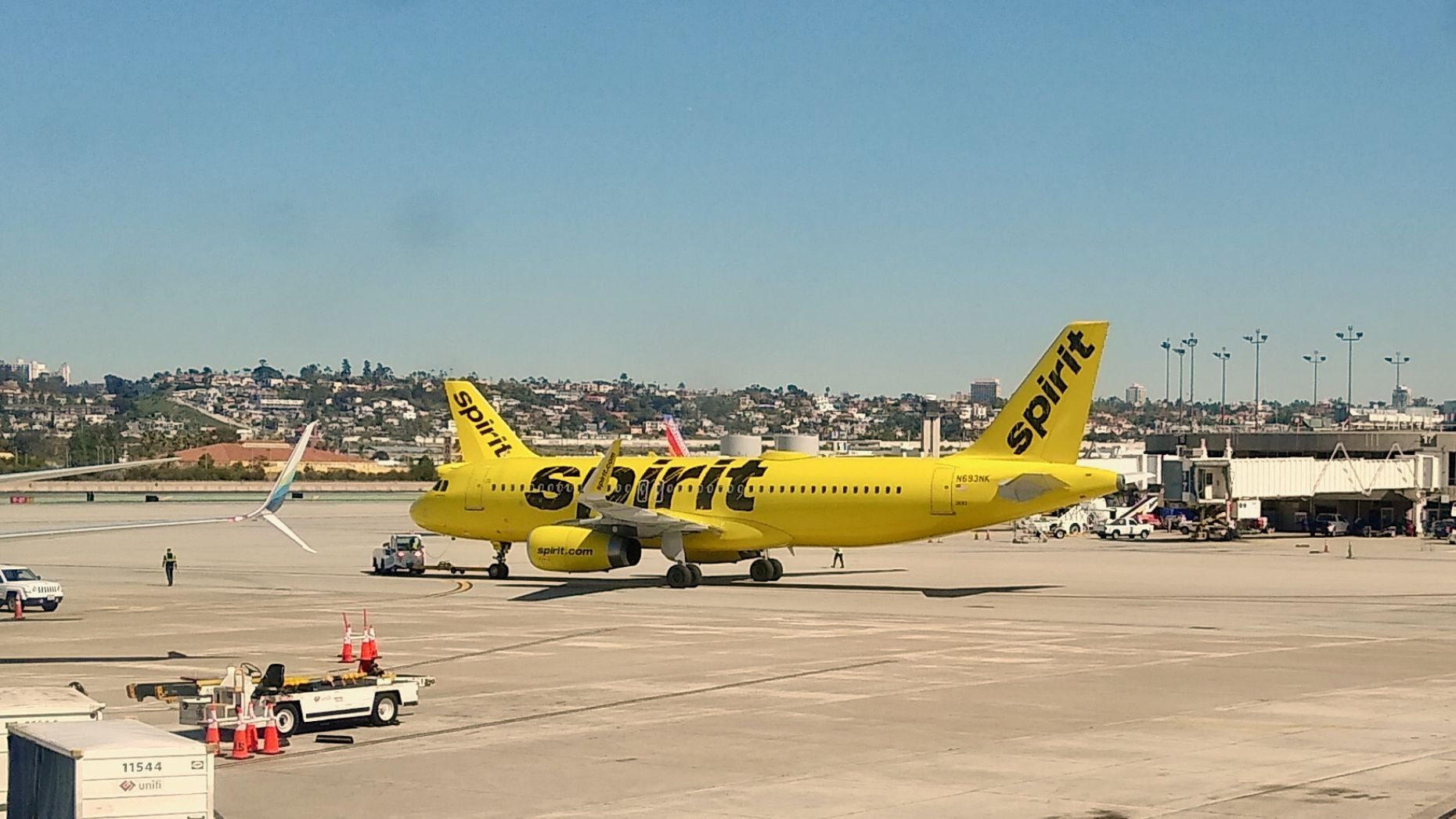
As you may have already seen, Spirit Airlines suspended flights over the weekend. Whatever you may think about why they went out of business, in my opinion the real reason is not what the news or the company is saying.
It was said on the news that the company had closed down because they could no longer pay fuel costs due to the war. Now, gas prices certainly didn’t help and were part of the ultimate fear, but they’re far from the catalyst for this issue.
Why did Spirit really go out of business?
So why is it gone and what does this have to do with selling more real estate?
Spirit started in Detroit and added new low-cost options to several existing options available (Delta Airlines and American Airlines). When I was old enough to buy my own ticket, from my late teens to early 20s, I often chose Spirit.
In the 2000s, Spirit introduced “bare fares” where you get what you pay for. If you haven’t paid for your carry-on baggage, you won’t get it. Want a sip of water? That will be $5. Do I need to print a boarding pass (before apps came out)? It’ll cost $7. I understand. It was an empty bus and Spirit was proud of it.
We’ve built a customer base that appreciates this model because it doesn’t feel like you’re paying for something you won’t use anyway. It is precisely this customer base that has kept the airline profitable for most of its 34 years in business.
big change
In the late 2010s, Spirit decided to break away from its model and insisted on becoming more like other airlines. Charges for carry-on bags were suspended and water and snacks were included. It introduced “large front seats” in first class and stopped making fun of itself. (I remember very well being on a plane and the flight attendant saying, “If you want good service here, well, you have to pay extra for that too.”)
It was Spirit itself and what everyone expected, but it wasn’t.
The new CEO at the time said he intended to change the company’s reputation and become like other companies. Spirit was trying to raise fares a little and start doing things differently to compete with Delta Air Lines, American Airlines and United of the World.
And that very move marked the beginning of Spirit Airlines’ decline. They upgraded their planes, added Wi-Fi, added comfort sections, trained their staff to have better “spirit,” built a state-of-the-art headquarters in Dania Beach, Florida (right next to FLL Airport), and really started acting like other companies.
Now, on paper, all of this sounds good, right?Of course, as a frequent flier myself, you’d better believe I’ve been flying Spirit more often. Each time, I was pleasantly surprised by how great my experience was and would actually check the route and price each time I booked a flight.
cutting
So why didn’t it work for them? How can you make such a huge improvement and then go back?
Spirit gave up the customer base that had brought it the highest level of profitability.
Customers accustomed to a “no-frills” mentality began to realize that they could fly on Delta or United for a few more dollars, and once they experienced what a higher level of service felt like, they didn’t want to look back. For some, going back to Spirit was almost embarrassing, but with fares and models so similar to others, Spirit was no longer a no-brainer.
You then find that your company’s market share and market value are declining while other companies are growing. Then, after a tough time with the coronavirus, new leased planes, new headquarters, and rising costs for everything we do today, a single fuel price hike bankrupted the entire empire.
real estate lessons
So what does this mean for those of us in the real estate industry, and what can we learn from it?
Find your niche, give it your all, and once you feel like you’ve done everything you can, try harder. Don’t try to be everything to everyone, figure out what you’re good for without a doubt.
Identify the market segment you want to own and tailor your offering to that segment. It could be anything from a first-time buyer, a downsizing seller, or a high-end customer.
People always ask me, “So Jeff, what is your area of expertise?” And my answer is always the same. I live in a blue-collar town, and most of the people there are blue-collar, so I decided early in my career to go all in on the largest demographic in my market.
This does not mean that I have not worked in other areas such as luxury goods or commercial, but we have taken the strong position that we cannot specialize in everything. Otherwise, you will experience what Spirit experienced. The same goes for brokers and team owners.
So choose your sector, give it your all, and own it completely. And when you think it’s time to get cute, try making it your own.
Jeff Glover is the founder of Live Unreal Companies, the parent company of several real estate-related businesses.
