



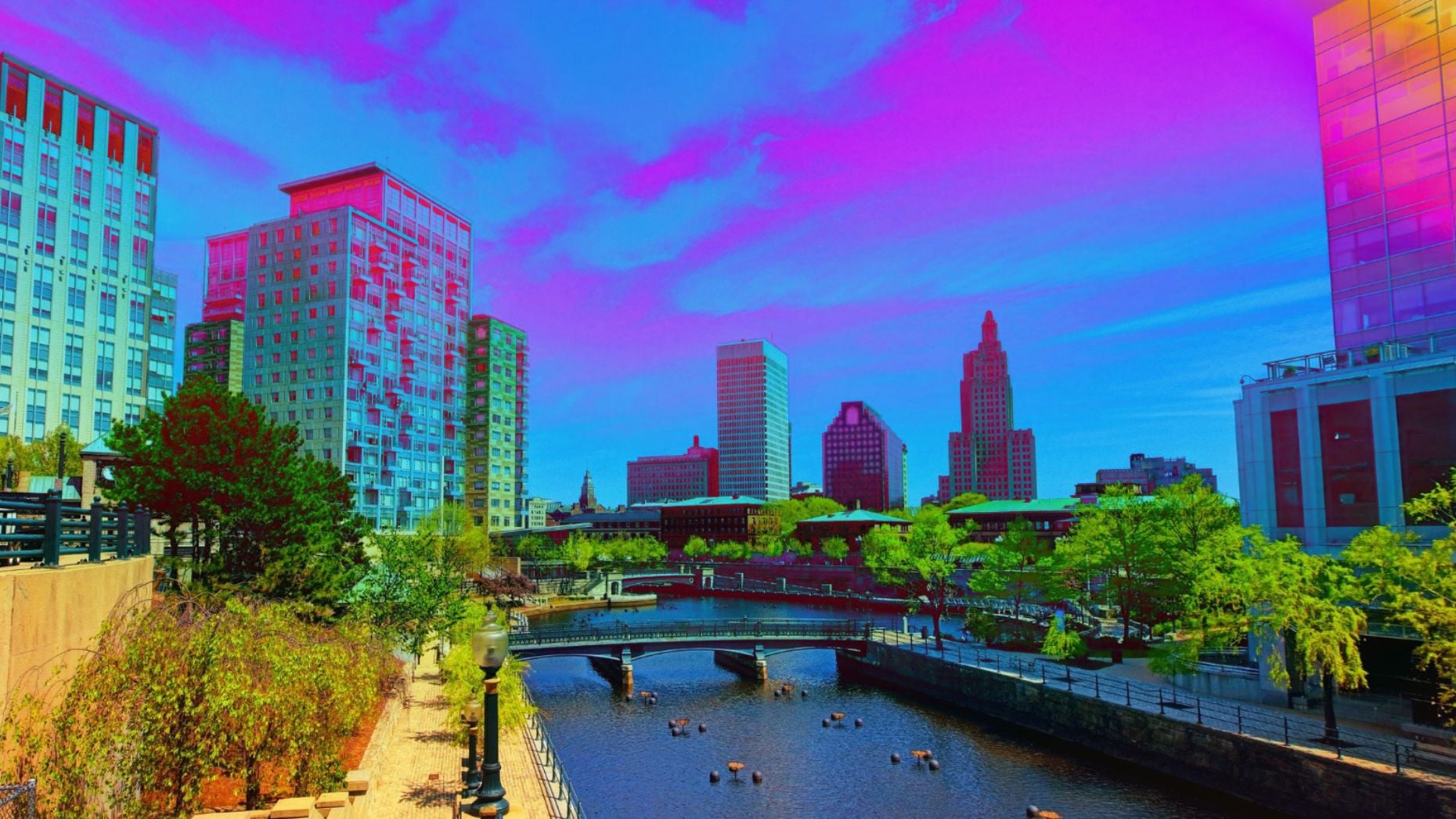
Rhode Island’s capital city tops Zillow’s list of hottest rental markets for summer 2026, but another report from Realtor.com shows the luxury condominium market is shrinking and accelerating at the same time.
A lack of supply has made Providence the hottest rental market in the country this summer. The same constraints drive its sales market.
Rhode Island’s capital beat out New York and San Francisco for the No. 1 spot on Zillow’s Summer 2026 Hottest Rental Markets list.
Rent there has increased 5% year-over-year, with the typical asking rent being $2,154 per month. According to Zillow, only 12.9% of property management companies offer benefits such as free rent or fee waivers, the lowest share of the top 10. Renters need to earn about $86,000 a year to comfortably afford a typical room there.
Kara N | Jirou
“In Zillow’s hottest rental market, the math is simple: There are more people renting homes than there are people who want to live there,” said Kara Ng, senior economist at Zillow. “The U.S. built more new units in 2024 than in any year in the past half-century, but that boom largely bypassed the Northeast and coastal California, which is exactly why rental competition there is so intense.”
Another analysis of April 2026 data by Realtor.com shows just how severe that limitation is.
Providence’s inventory of million-dollar homes has fallen 31% since mid-2016, and the number of active listings has fallen by about 160 units over 10 years. The entry point for luxury goods, the top 10 percent of the market, reached $1.64 million in April, 29 percent above the national benchmark.
Luxury homes were on the market for a median of 40 days. Despite Providence’s significantly higher minimum price, this is 19 days less than the national luxury standard of 59 days and 12 days earlier than Salt Lake City.
Anthony Smith | Realtor.com
“Providence offers a traditional luxury market with premiums that have been accumulated since colonial times,” Anthony Smith, senior economist at Realtor.com, said in the report. “Its luxury homes are moving faster than the national benchmark, suggesting a determined buyer base and constrained supply.”
The contrast with Salt Lake City, which Realtor.com used as a comparison market, highlights how unusual Providence’s trends are.
Salt Lake City’s luxury inventory has more than doubled since 2016, with homes built since 2020 accounting for nearly a quarter of the luxury supply. The entry-level luxury price of $1.25 million is roughly in line with the national standard, with buyers in the $1 million to $2 million range receiving a median price of 4,444 square feet and $310 per square foot. A Providence buyer in the same price range could buy 2,842 square feet of land for $515 per square foot. This is lower than the national median of 2,959 square feet and costs more.
Smith attributed Providence’s price premium to its coastal topography, pre-1900 architecture, and proximity to Boston and New York. According to Realtor.com’s cross-market demand data for the first quarter of 2026, buyers from Boston account for nearly 40% of property views in Providence, followed by approximately 20% from New York City, which comes from Providence’s more affordable market.
External demand combined with physically constrained supply is what Zillow’s rental rankings and Realtor.com’s condominium data measure from multiple angles. This is a market where inventory is not keeping up with demand at any price point, and the gap is widening.
Zillow’s complete list of the top 10 most popular rental markets for summer 2026:
Providence, RI New York, NY San Francisco, CA Hartford, CT Los Angeles, CA Chicago, IL Boston, MA Milwaukee, WI Virginia Beach, VA San Jose, CA
New York ranked second, with an annual rent growth rate of 4.5% and a typical asking rent of $3,406 per month. According to StreetEasy data, inventory across the five boroughs was down 7% year-over-year, and the median asking rent reached $4,120, the highest in StreetEasy history.
According to StreetEasy, inventory has declined in Manhattan for 26 consecutive months, the longest period in history. San Francisco ranked third, with annual rent growth of 5.4 percent and projected vacancy rate of 4.3 percent (versus 7.3 percent nationally).
Email Jesse Healy
