


The camera begins in a quiet real estate office. The coffee cup is half full. The laptop glows gently. The faint sounds of the CRM dashboard on the screen. The agent leans forward and works with concentrated attention. Click on your contact profile and adjust your tags with surgical precision.
Hot lead. A warm lead. past clients. ball. Potential referrals.
A new tag will then appear. It’s very warm.
The question then naturally arises: Should “Very Warm” be placed above “Warm”, or does the entire system need to be reorganized?
Another 15 minutes pass. Some colors have changed. The list looks great. clean. Tidy. Impressive.
One small detail remains unresolved.
None of the tags answer the phone.
you already know what to do
There is a strange phenomenon in the real estate industry where many people know exactly what to do, sometimes down to the script. Ask a room full of agents how to build a pipeline and you’ll quickly get the right answer.
Call past clients Follow up with potential clients Ask for referrals Talk to people who may someday move on
None of this is mysterious.
And yet, on a Tuesday afternoon, a surprising number of professionals adjust their CRM tags without calling anyone.
This problem is not new
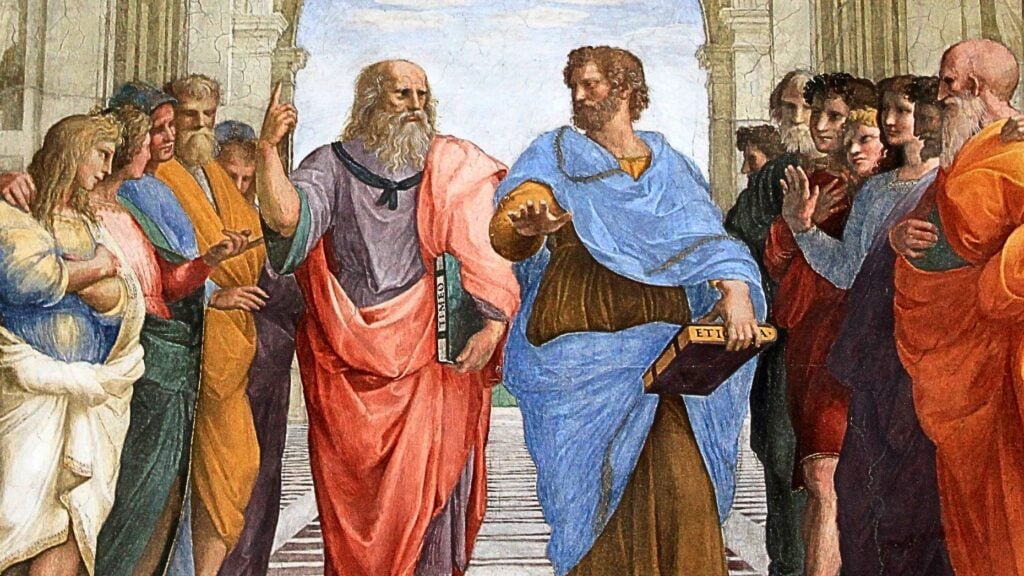
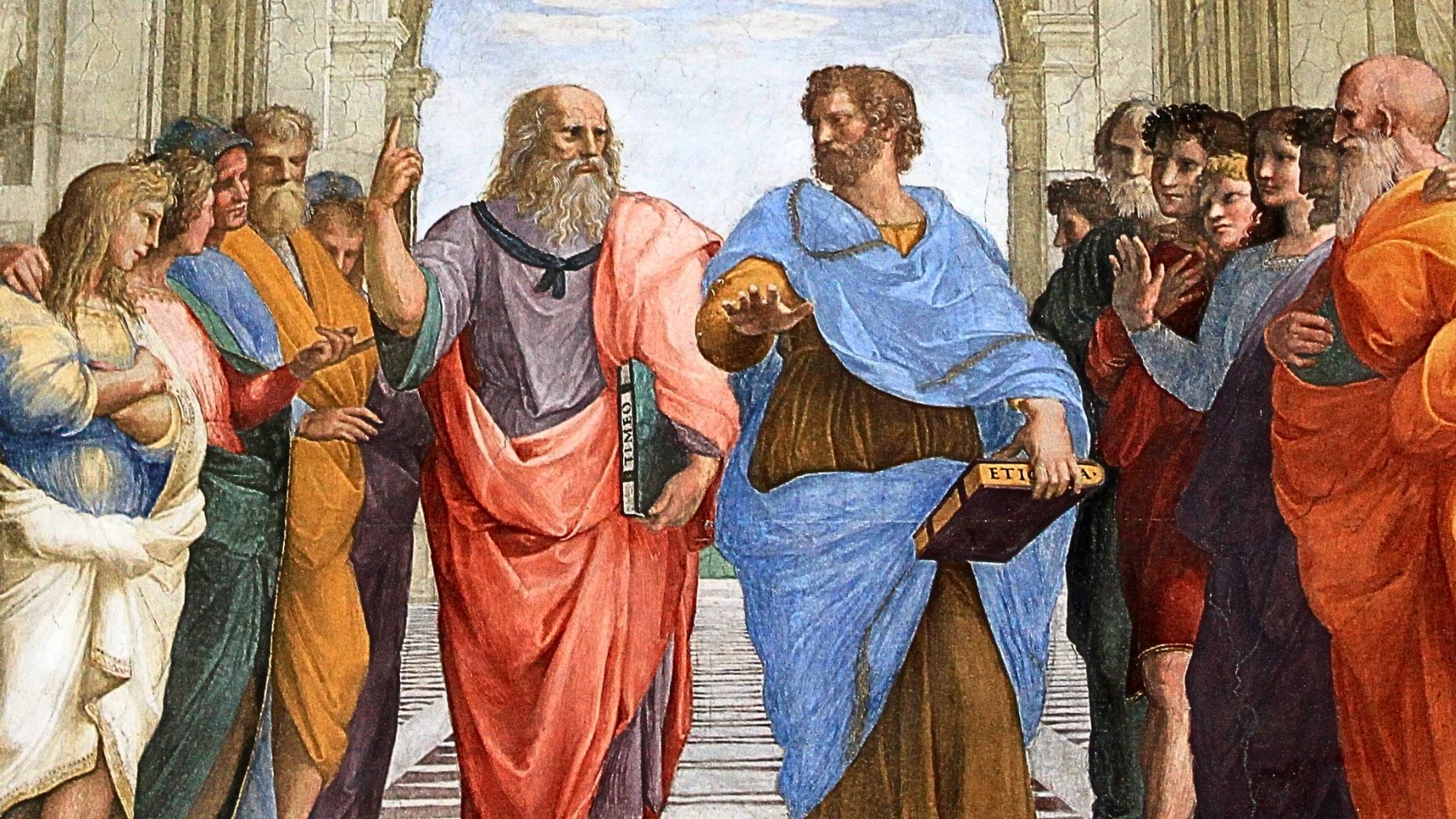
Aristotle wrote about it over 2000 years ago. He called it “akrasia,” the human habit of acting against one’s better judgment. You know better moves. You understand the play. Then you calmly go there and do something else instead.
If Aristotle were alive today, he might have included a chapter on reorganizing your CRM while your phone sat quietly on your desk.
The important thing he realized is that ignorance is usually not the problem. Most people already know the correct behavior. There is no shortage of knowledge. There is a gap between what we know and what we do.
The gap is even wider in independent work.
Traditional jobs come with rails. The manager asks about the report. The deadline will be displayed on the calendar. If the work stops working, someone will notice. This structure does a lot of the heavy lifting.
Independent contractors are given something different.
Freedom.
Freedom is great, until the moment the calendar opens wide and no one is looking. Now that structure has to come from somewhere else, otherwise the day will begin to drift.
Drifting rarely looks lazy. It usually looks more productive when viewed sideways. Website adjustments. Renewed logo. We’re researching a new CRM that promises to solve everything. Watch a 45-minute webinar about prospecting, not prospecting.
Non-weight-bearing activities. A movement that can never catch water.
The brain is not the problem. that’s the story it tells
The Stoics had a straightforward explanation for this practice. Seneca wrote, “We suffer more in our imaginations than in reality.”
If you’ve ever seen someone stare at their phone before making a call, you’ve seen this principle play out in real time. The mind begins to build a small drama about the conversation.
Maybe the person will be annoyed. Maybe the timing is wrong. Maybe the question is wrong.
The imagined discomfort increases.
A phone call is then made and the entire interaction lasts two minutes.
“Hey, I just checked in. How’s things going?”
“Sounds good, actually.”
And the storm clouds that lived inside my heart disappear in about 30 seconds.
The mind tends to overestimate the pain of action and underestimate the cost of delay.
That’s why systems are important
Generating leads, following up, and asking for referrals: These aren’t technically difficult tasks. The mechanism is simple. What they have is emotional friction. A little uncertainty. Chances of rejection are slim. It’s just enough discomfort that your brain silently suggests you should do something else first.
I might reorganize the tags.
Motivation is unreliable. It behaves like the weather. There are days when it blows strongly. Some days there is no wind at all.
The system is all.
People move when a system makes it easy to take action. When a system relies entirely on moment-to-moment willpower, akrasia usually wins.
The fix is not complicated
There is no need to defeat human nature. You just need to make it easier to start taking appropriate action.
Remove noise. Once your exploration time begins, put your phone and computer on Do Not Disturb mode. Close your browser tab. Close the digital door.
Start with the easy calls instead of the most difficult ones on the list. Someone who can answer. The goal is not profit. The goal is momentum.
Reduce your habits. Not 50 calls. Five. It’s not two hours. 10 minutes. Once movement begins, resistance tends to dissolve.
There’s an easy way to tie all this together
At the beginning of each day, write down the names of five people.
Not 50. It’s 5.
Please put your mobile phone on “Do Not Disturb” mode. Close your browser tab. Clear out your desk so that the only things that have gravity are your phone and list.
Now, please call the name below.
Then the second.
Then the third.
By the fourth call, something interesting usually happens. The resistance that existed earlier in the morning disappears. The brain stops negotiating. Work has already begun.
Five names become eight. 8 becomes 12.
However, only five were needed for the entire system.
Aristotle would probably understand the logic right away. Akrasia has been around for a very long time. This solution has been around for just as long.
Don’t rely on motivation. Build a small system to help you overcome moments of hesitation.
And when the quiet office scene starts to unfold again and the CRM tag starts to look unusually important, it’s probably a signal.
pick up the phone
Place the oar in the water.
line.
Keith Robinson is co-CEO of NextHome, Inc. and co-host of Real Estate Insiders Unfiltered. Follow the Real Estate Insiders Unfiltered podcast on Instagram, YouTube, Facebook, or TikTok and subscribe to our YouTube channel.
