


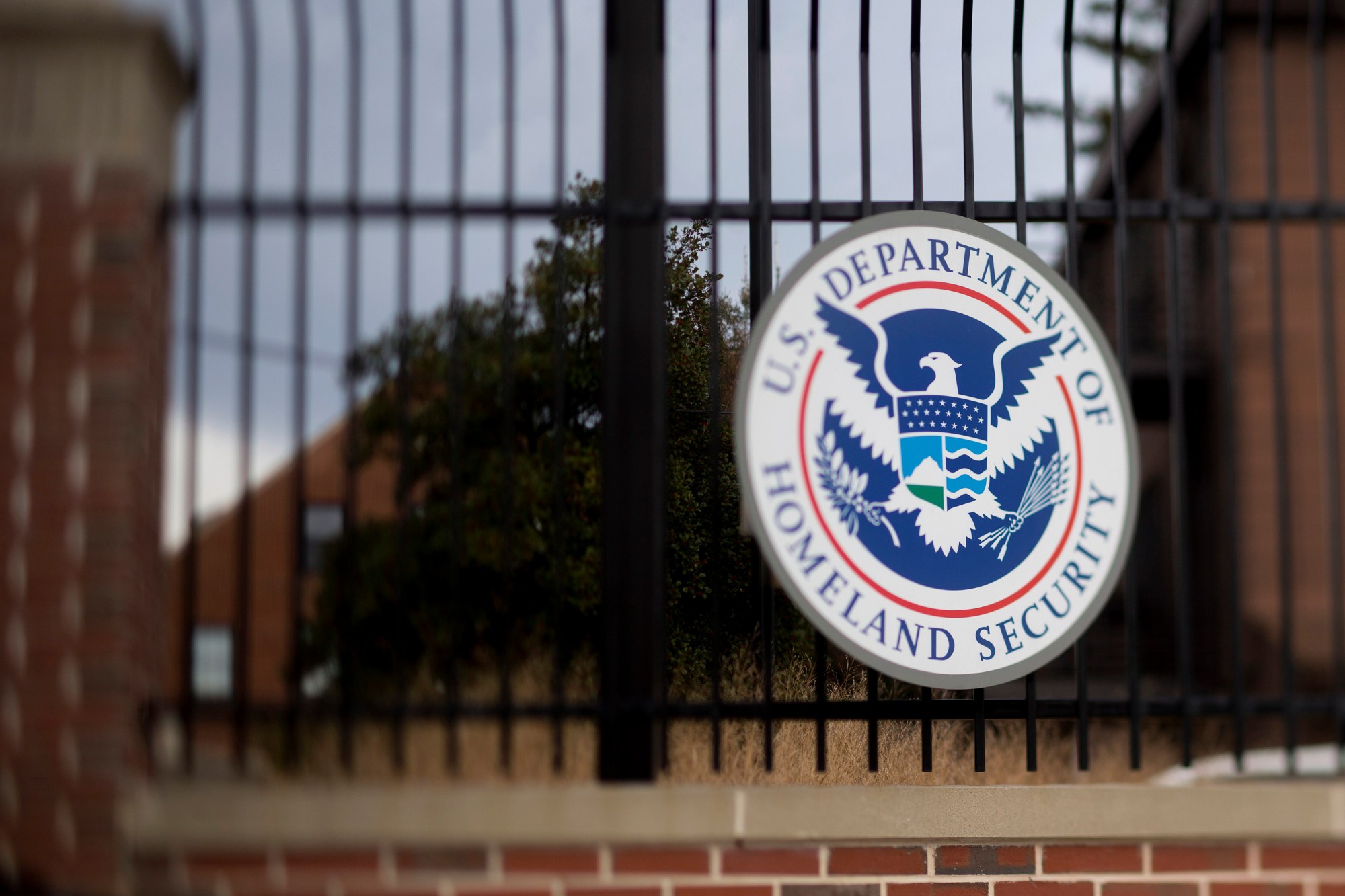
The Department of Homeland Security is investigating a network of sophisticated scammers who target people caught up in the immigration process, extorting their savings and having some deported, after ProPublica reported that complaints of such fraud have doubled under President Donald Trump’s second administration.
Homeland Security Investigations, known for tracking international crimes such as human trafficking, asked about specific cases detailed in the article, including the story of a woman who feared President Trump’s nationwide immigration sweeps and sought help from someone she thought could help her preserve her legal status. Scammers got hold of her money and after she failed to appear in court, she was deported to Nicaragua.
This was one of thousands of cases in which scammers lure their reputations through social media posts, go through fake court hearings and other official-looking procedures, and charge large sums of money along the way. Investigators say the federal government is currently stepping up efforts to track down the fraud.
DHS said in a statement that the agency is “declaring all-out war” against the fraudsters.
“Immigration fraudsters foster a lawless environment, undermine our nation’s immigration system, and pose a risk to national security and public safety,” the statement said.
DHS is looking for Zelle payment app URLs, WhatsApp numbers and identifying information that could be traced back to the scammers, according to a person familiar with the investigation. As the number of such scams increases rapidly, the ministry is stepping up its investigations.
ProPublica analyzed Federal Trade Commission data and found that victims and advocates reported at least $94.4 million stolen over a five-year period. The more than 6,200 complaints included everything from fake Immigration and Customs Enforcement agents demanding personal information or threatening deportation to scammers abusing their visa status to extort money from international students.
Scammers often pose as lawyers and offer ways to avoid in-person court hearings, taking advantage of the anxiety even legal residents feel as ICE agents begin rounding up people during immigration proceedings.
Experts say scammers often run ads on places like Facebook and TikTok, demanding money in exchange for authentic-looking immigration applications, before moving the conversation to the encrypted messaging platform WhatsApp. Also known as “notary scams,” these scams are often based on mistranslations of the word “notary public,” which in many Latin American countries implies a legal qualification.
In recent weeks, agencies including the New York State Department, the Florida State Bar and local police have issued warnings about these scams. The American Bar Association has also warned about identity theft and recently contacted DHS investigators.
In South Florida, immigration lawyer Angel Real encountered hundreds of AI-generated videos of his likeness offering assistance on WhatsApp. His office had to hire an anti-piracy agency to remove the content and more than 6,000 fake profiles, according to local news reports.
The hundreds of videos all over Instagram are shockingly realistic. “Real” is sitting in an office chair, his beard and expression matching that of a real lawyer. The AI-generated person speaks fluent Spanish with eager body language, holds a potted plant or mug in the foreground, and holds a law degree behind him. Little details betray the ruse. Some mouth movements may not match the words, gibberish text may appear in the document, or objects may blend together.
Advocates and law enforcement say those targeted must document all ads, text conversations and payment information. And DHS is warning consumers to be wary of lawyers advertising directly on social media, active on WhatsApp, and accepting payments through Zelle.
In April, ProPublica spoke to several victims who attended fake court hearings via WhatsApp and recounted their stories to “agents” wearing fake government uniforms. Experts say the main target is Spanish speakers, and scammers often pretend to be affiliated with prominent advocacy groups such as Catholic Charities USA, which has been flooded with reports of scammers using brands to find potential marks.
“Contacting people directly through ads or WhatsApp and asking for money through Zelle is something Catholic Charities would never do,” said Kevin Brennan, vice president of media for Catholic Charities USA.
These groups find it difficult to get fake ads and accounts removed. Even if this happens, scammers can easily create new websites and accounts at low cost.
“It’s a game of whack-a-mole,” said Charity Anastasio of the American Immigration Lawyers Association, another organization whose staff and images were impersonated.
