


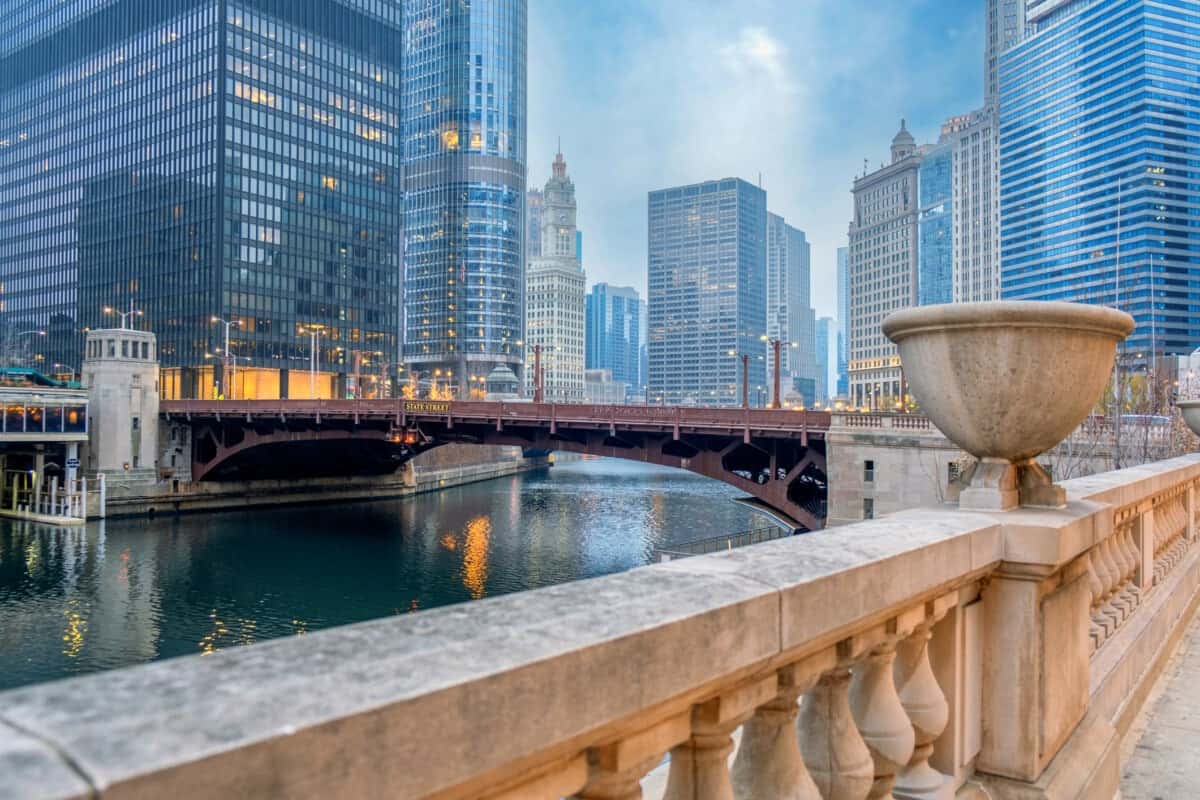
Chicago has a way of standing out. From its impressive skyline and historic buildings to its lakeside views, neighborhood pride and renowned food scene, this city combines big-city energy with local character like no other.
This Redfin article reveals many compelling reasons why Chicago is a popular place to live. Whether you’re just curious about the city, a longtime local, or a first-timer looking for a home in Chicago, here’s why so many people are proud to call the Windy City home.
1. Architecture and Skyline
Chicago’s reputation begins with its skyline. “The city is known worldwide for its architectural heritage, which blends historic character with world-class design. From the Loop’s classic terra cotta facades to the modern glass towers along the riverfront, the city’s design history can be seen on every corner of the city,” said Mersudin Verik of Urban Media Chicago.
Architects often cite Chicago as a place where design shapes civic life. Carol Ross Barney of Ross Barney Architects emphasizes that “Chicago is defined by a deep commitment to shared urban life.” Their work on the Chicago Riverwalk shows how Chicago transforms its infrastructure into beloved civic spaces. This approach to design extends from cultural destinations like the Lincoln Park Zoo’s Searle Visitor Center to transportation hubs like Morgan Station in the Fulton Market District.
2. Chicago River
Once primarily an industrial waterway, the Chicago River has evolved into a public corridor where architecture and nature blend together. The river provides a natural vantage point from which to admire the city’s dense collection of landmark buildings, from the ornate terracotta designs of the early 20th century to the sophisticated glass towers that define the modern era. Walking along the riverfront boardwalk, residents and visitors interact with the water on a daily basis, enjoying dining, public art, and scenic trails connecting major transportation and cultural hubs. The waterway serves as both a functional transportation hub and a leisure destination, reflecting the city’s continued commitment to repurposing industrial space for public benefit.
3. Neighborhood
While the skyline captures all the attention, it’s Chicago’s neighborhoods that are most cherished by Chicago locals. Pete Lauer of Strong Towns Chicago describes it as “a place where three-flats, corner stores, taquerias, and ‘L’ stops are all on the same block.” Residents often travel by foot or bike for daily needs, fostering a sense of community ownership.
Each neighborhood acts like its own downtown, offering its own hidden gems. Whether it’s Pilsen, Chinatown, or Andersonville, local stores are owned by neighborhood residents, keeping money within the community. This structure creates a sense of responsibility for one’s particular block. As Lauer says, if asked, the thing most Chicagoans would be most proud of about their city is the neighborhood they live in.
Dolores Vlad of local florist Luminous Blooms shares her love for the area, saying, “When visiting Chicago, be sure to visit and explore the quaint North Shore suburbs like Downtown Highland Park, where you’ll find plenty of women-owned boutiques. Stop by That Little French Guy for delicious food. Another favorite is Winnetka’s Town and It’s Oak. Here you’ll find great-tasting coffee and a delicious menu.”
Kpoene’ Kofi-Bruce of Ette the Wedding Tailor added, “If you’re a food lover, Chicago is your paradise. There’s an entire neighborhood waiting to help you with your culinary adventures. From Pilsen on the South Side (stay for great, authentic Mexican food and enjoy the art) to the Little Vietnam District on Argyle Street on the North Side, Chicago has something for whatever flavor you’re looking for.”
4. Iconic landmarks and culture
The city has several landmarks that represent its size and history. Cloud Gate, also known as “The Bean,” is located in the heart of Millennium Park and is one of the most famous public art installations in the world. Marina City and Willis Tower further define the visual narrative of the city.
The city fosters a thriving community of artists who prioritize collaboration and mutual support. Local creators help make Chicago’s art scene vibrant and successful. For those seeking contemporary exhibitions, West Town serves as a central hub for contemporary galleries along Chicago Avenue. Collectors frequently visit spaces like Karl Hammer Gallery and 65GRAND Gallery in Humboldtpark to find unique local pieces. Throughout the year, the public can engage with this community through consistent events, such as the monthly opening of the Chicago Fine Art Salon, which features a diverse range of artists.
5. Great music
From the birthplace of electric blues to thriving jazz and gospel scenes, Chicago’s musical heritage continues to evolve and inspire. The city’s iconic blues clubs, including Buddy Guy’s Legend and Kingston Mines, feature legendary performers and offer an intimate blues experience.
Ronnie Frey, local tour guide and photographer for Chicago’s Doorways, recommends a visit to Tortoise Supper Club, an elegant establishment with a nostalgic Jazz Age feel. “Live jazz music on Friday and Saturday nights makes for an unforgettable experience. Don’t miss our unparalleled Beef Wellington, a true culinary masterpiece.”
Albany Capture photographer Pedro Garcia insists that you can’t experience the city’s soul without attending a legendary concert at the Aragon Ballroom. This blend of grand scale and local culture is what sets Chicago apart.
6. Local staple food
Chicago’s culinary traditions are tied to its history and hardworking demographic. These foods are as recognizable as the skyline.
Deep Dish Pizza: A hearty, layered pizza known for its thick, buttery crust. Chicago Hot Dog: Poppy seed bun topped with yellow mustard, neon green relish, onion, tomato, pickle spear, sport pepper, and celery salt. Maxwell Street Polish: A flavorful fried sausage sandwich with roots in the city’s street food history.
As Pedro García points out, whether you’re eating late-night fine dining on Maxwell Street or deep-dish pizza from a local restaurant, the flavors here are as unforgettable as the skyline itself. Chicago-based catering company Northern Fork agrees, saying, “It’s no secret that Chicago is a great food city, with countless cuisines represented and iconic dishes like deep-dish pizza and Chicago-style hot dogs. So it’s no surprise that catering companies can reflect the full range of these great flavors.”
“Restaurants like Apollonia in the South Loop offer great food, from homemade fresh pasta and black truffle puff bread to authentic Chicago tavern-style pizza at Tortrice on the West Side,” added Lauren Caruso of local candle company Chicago Wick Stop. Then finish off with a drink like my favorite whiskey sour at the California Clipper, one of Humboldt Park’s best bars since 1937.
7. City Park
Chicago maintains a balance between urban infrastructure and public green space. Julia Bachrach, author of “City in a Garden: A History of Chicago’s Parks,” says, “Chicago, known as the ‘City in a Garden,’ has one of the most spectacular urban park systems in the nation. Highlights include more than 2,000 acres of lakefront green space, gardens surrounding Buckingham Fountain and other significant monuments, two glass greenhouses, and prairie-style landscapes such as Humboldt and Columbus.” Parks and Lincoln Park’s Alfred Caldwell Lily Pool With a network of more than 550 parks and extensive forest preserves, Chicago truly lives up to its green motto. ”
FAQ
What makes Chicago special?
Chicago is characterized by its architectural history, expansive lakefront, and neighborhood-centered design. Although its skyline is world-famous, the city’s strength lies in its distinct identity and community pride found in every neighborhood.
Is Chicago a walkable city?
yes. The city’s structure is built around “L”-shaped stops and dense, mixed-use blocks, so many areas are very walkable and accessible without a car. Chicago has a Walk Score of 77, making it the second most walkable city in the state. Residents often carry out their daily activities on foot or by bicycle.
How does Chicago’s weather affect Chicago’s identity?
A city’s climate influences its architecture and lifestyle. Residents prioritize weather-resistant building materials and emphasize indoor-outdoor interactions during warmer months, such as riverfront walks and lakeside parks.
