


A powerful air conditioner alone is not enough to design a home that is comfortable even in extreme heat. Hot climate home design focuses on creating a balance between smart systems, thoughtful materials, and climate-friendly layouts that keep interiors naturally cool. Making these choices well will also improve energy efficiency and long-term comfort.
This Redfin guide explores practical strategies used in some of the hottest housing markets to keep homes cool year-round. From upgrading a home in Phoenix, Arizona to buying a vacation home in Orlando, Florida, these insights can help homeowners adapt their spaces to rising temperatures.
In this article:
What makes a home built for a hot climate market?
A reliable cooling system is the basis of your comfort
The most important upgrades are the ones that can’t be changed easily
Architectural design plays a big role in keeping your home cool
Smart shading and exterior design reduce heat before it enters your home.
Daily habits that make your home feel cooler
Hot climate home design and energy efficiency go hand in hand
What makes a home built for a hot climate market?
Homes built for hot climate markets not only provide relief when temperatures rise, they work with the climate instead of constantly fighting it. The most comfortable homes stay naturally cool through a combination of efficient cooling systems, thoughtful design, and features that reduce heat before it reaches the room.
From strategic shading and ventilation to energy-smart upgrades, these elements work together to create a home that’s comfortable, attractive, and livable even on the hottest days of the year.
A reliable cooling system is the basis of your comfort
When temperatures soar into the high double digits or low triple digits, a reliable cooling system can be the difference between a comfortable home and an uncomfortable home. While design features like shading and ventilation can help reduce heat gain, the HVAC system is ultimately responsible for keeping indoor temperatures manageable during the hottest months of the year.
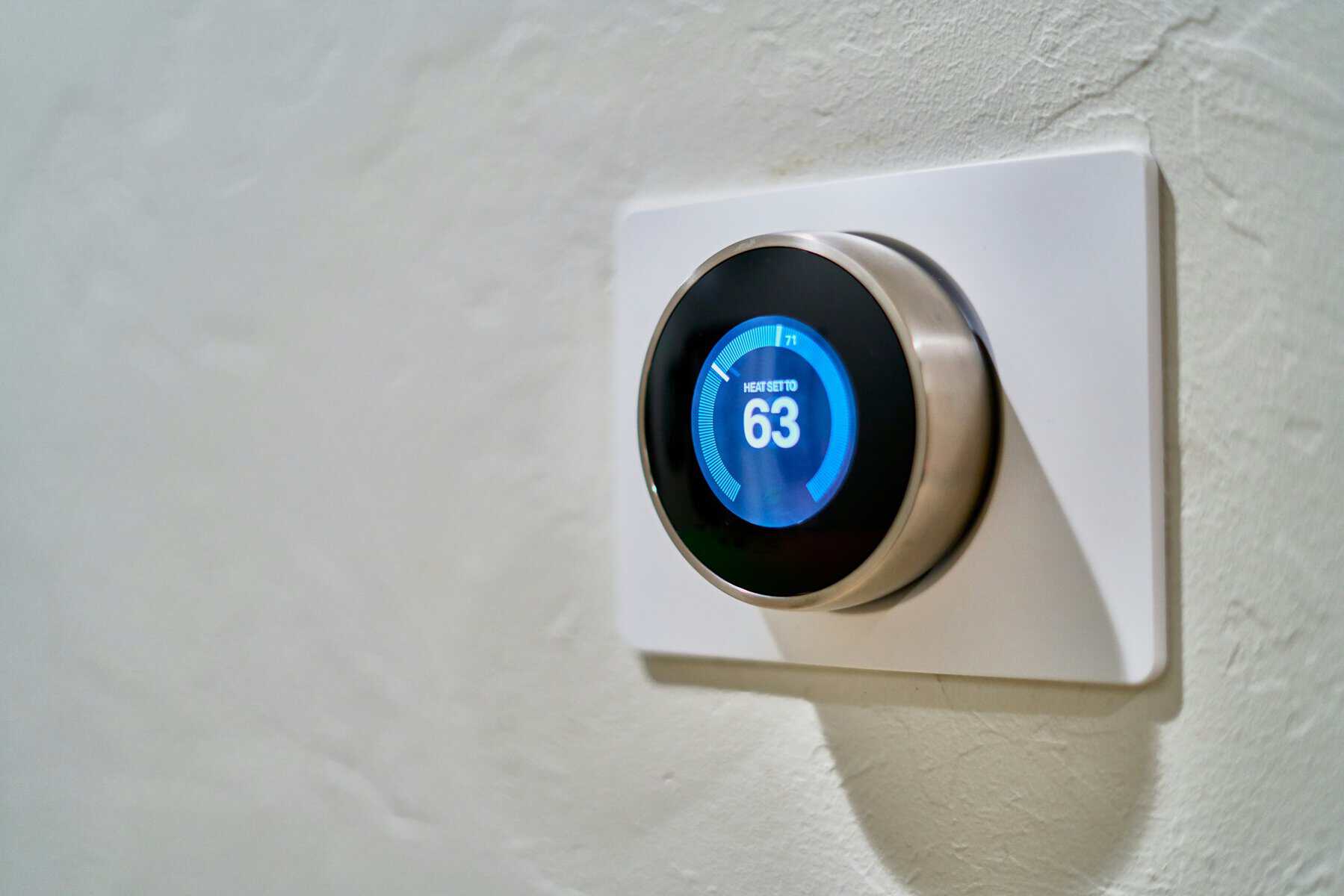
Kim Dempsey, designated broker with KD Realty, recommends, “Do annual maintenance on your air conditioning system to avoid service interruptions at undesirable times and keep your home cool on hot summer days.” “Use a smart thermostat to set a comfortable indoor temperature during the day and automatically adjust throughout the day.”
To make your cooling system work more efficiently, follow these steps:
Plan your HVAC maintenance each year to catch potential problems before the hottest summer temperatures arrive. Install a smart thermostat that automatically adjusts the temperature throughout the day based on your schedule. Change the air filter regularly to improve airflow and system performance. Address minor maintenance issues early and reduce the risk of costly failures during heat waves.
The most important upgrades are the ones that can’t be changed easily
When designing for hot climates, some of the most valuable features are those that are difficult or expensive to add later. While exterior updates can improve the appearance of your home, structural elements such as high-performance windows, advanced HVAC systems, and weather-resistant construction have a far greater impact on long-term comfort and livability.
“In Miami and other hot climate markets, the buyers we work with are most concerned about things that cannot be easily changed after closing, such as floor-to-ceiling hurricane impact glass, central air conditioning with dedicated dehumidification, and building structural certification and storm rating,” said Anthony Guerriero, managing partner at Manhattan Miami Real Estate. “At the ultra-luxury level, that extends to covered loggias, shaded terraces, and pool decks with private cabanas, because outdoor living for six months of the year only works if you can sit comfortably outdoors in August.”
Some of the most popular features include:
Floor-to-ceiling impact glass reduces heat transfer while withstanding inclement weather. Central HVAC system with dedicated dehumidification to keep indoor air comfortable even in humid climates. Strong construction certification and storm rating provide added durability and peace of mind. A whole-house generator that can supply power not only to the common areas but also to the entire house during a power outage. A covered loggia, shaded terrace, and private cabana allow you to enjoy outdoor living even in the hottest months.
Architectural design plays a big role in keeping your home cool
Efficient air conditioning systems are essential in hot climates, but good design can reduce the amount of cooling your home needs in the first place. Thoughtful architectural features help insulate heat, increase airflow, and create more comfortable living spaces, all while reducing strain on HVAC systems and lowering energy costs.
“As a trained architect, I often point out less obvious design features that can have a meaningful impact on comfort, sustainability, and energy efficiency alike,” says Inés Hegedus García, co-founder of Miamiism. “Deep roof overhangs, covered outdoor rooms, cross ventilation, window orientation, interior window treatments, shading, window tint, and appropriate trees and landscaping around the home all help manage heat, improve livability, and reduce cooling costs. The best homes are not only equipped for the climate, they are designed for the climate.”
Key design features that help keep your home cool include:
Deep roof overhangs provide shade and reduce direct sun exposure to windows and exterior walls. A covered outdoor room and patio create a comfortable transition space between indoors and outdoors. Cross ventilation improves air flow throughout the home. Strategic window orientation to minimize heat gain during the hottest hours of the day. Interior window treatments, shades, and window tints that block unwanted heat and glare. Trees and thoughtfully placed sustainable landscaping provide natural shade and cool the surrounding environment.
Smart shading and exterior design reduce heat before it enters your home.
One of the easiest ways to keep your home cool is to cut off heat before it enters your living spaces. While air conditioning can lower indoor temperatures, shading strategies can help reduce the amount of heat that accumulates in the first place, making your home more comfortable and energy efficient throughout the day.
“Draw shades or close window coverings to keep the room cool and comfortable,” explains Kim Dempsey. “Add a pergola, covered patio, or awning to add shade to the outdoors and prevent direct sunlight from hitting your home. Enjoy a cool home at night.”
Consider incorporating the following thermal isolation features:
Reduce solar heat gain by closing blinds, shades, and curtains during the hottest parts of the day. Install a pergola to provide shade for your patio, window, or outdoor gathering space. Add a covered patio that protects both the outdoor living area and nearby indoor areas from direct sunlight. Use shades and awnings to block the strong afternoon sun before it hits your windows and doors. Layer multiple shading strategies for maximum comfort and efficiency.
Daily habits that make your home feel cooler
Even the best-designed homes can benefit from a few smart daily habits when temperatures rise. Making small adjustments to how you manage sunlight, airflow, and temperature throughout the day can make a noticeable difference in your comfort while making your cooling system work more efficiently.
Many of the most effective cooling strategies do not require major renovations or expensive upgrades. Instead, we focus on developing routines that make the most of existing capabilities and reduce heat buildup before it becomes a problem.
Here are some simple habits that will help keep your home cool.
Set your smart thermostat to automatically adjust your temperature based on your schedule. Reduce indoor heat gain by closing blinds, shades, and curtains during peak sunlight hours. Running a ceiling fan improves air circulation and makes the room feel cooler. Close doors and windows during the hottest parts of the day to prevent warm air from entering. Schedule household chores that produce heat, such as cooking or using the dryer, during cooler hours in the morning or evening.
>> Read more: Heatwave guides and resources: Keeping your home cool in extreme heat
Hot climate home design and energy efficiency go hand in hand
After all, designing for hot climates is about creating a home that not only provides comfort in the moment, but also performs well in extreme temperatures over time. Through a combination of smart systems, passive cooling strategies, and intentional design choices, homeowners can reduce heat gain while improving everyday livability. With the right approach, you can maintain a balanced, efficient, and welcoming environment all year round, even in the hottest of conditions.
