


NOAA releases an El Niño watch, estimating an 82 percent chance of this pattern occurring by summer and 96 percent by winter.
Federal forecasters are sounding the alarm about a weather pattern that could have serious implications for real estate professionals and their clients.
Participate in the INMAN Intel Index Survey
NOAA’s Climate Prediction Center has released an El Niño watch stating that there is an 82 percent chance that El Niño conditions will occur from May to July 2026, and a 96 percent chance that this pattern will continue into the winter of 2026-27.
“Climate models are currently in pretty good agreement, and El Niño events are likely to intensify further in the coming months,” said Wilfran Mfoma Okia, head of climate forecasting at the World Meteorological Organization.
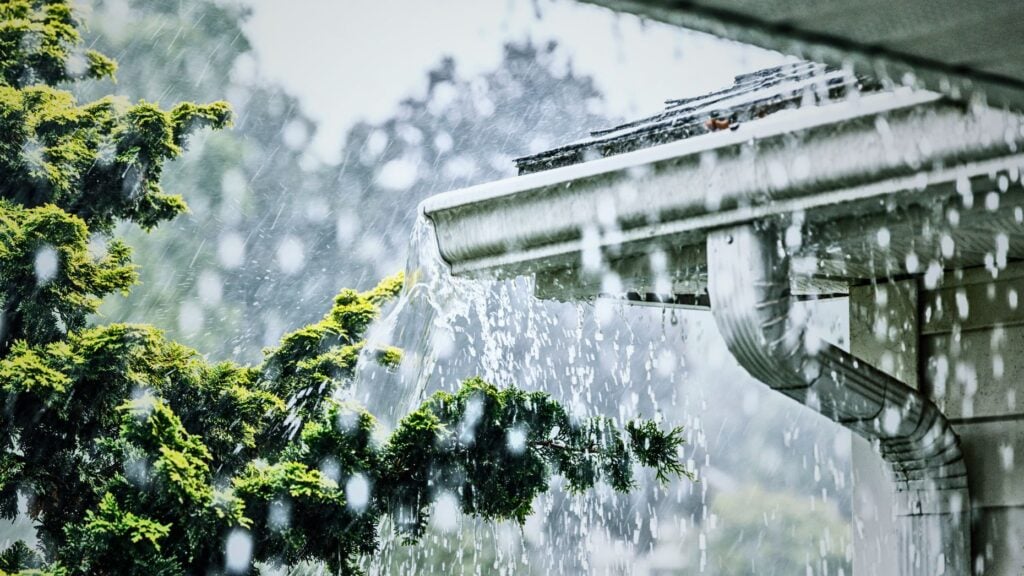
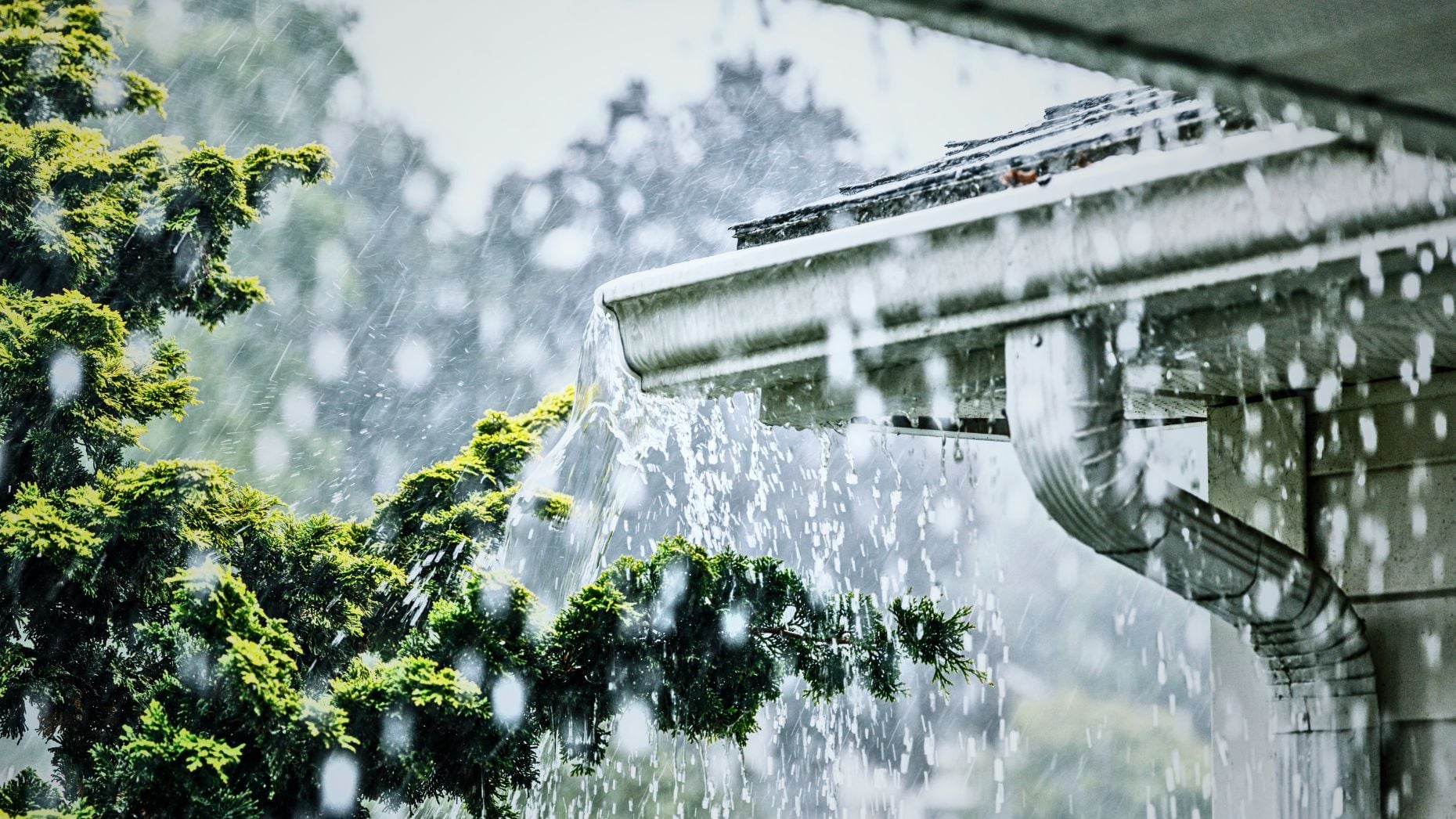
According to NOAA, El Niño historically brings above-normal precipitation to the southern United States, with the effects being greatest from late fall to early spring. Subsequent conditions such as saturated soil, standing water near foundations, and overflowing gutters are among the leading causes of structural damage that reduces home values and complicates transactions.
The most cost-effective defense is grading. This is a technique that causes the soil to slope away from the home’s foundation rather than toward it.
“Proper grading and drainage modifications are relatively inexpensive compared to major structural repairs. It’s always cheaper to manage water than to repair a damaged foundation,” Hayden Slack, owner and general manager of GL Hunt Foundation Repair in Fort Worth, Texas, recently told Realtor.com.
Slack also said that most of the foundation repairs his company handles originate from drainage problems that have been left unattended for years.
Most of it has to do with where the water goes when it rains. The soil needs to slope away from the foundation, gutters need to be clean, and downspouts need to carry water far away from the house. The landscape bed pressed against the exterior wall is also worth a second look. If the client has already noticed that the door is sticking, the drywall is cracked, or the floor is not level, the homeowner should not wait. The longer drainage problems are left untreated, the more expensive they tend to be.
If these issues persist, Stanley C. Stoll, professional engineer and CEO of Knott Laboratory, tells Realtor.com that you should consult a geotechnical engineer. Options could include installing a French drain and internal waterproofing, he said.
For agents, predictions provide a timely reason to reach out to your area. Guide your customers through seasonal preparations with targeted emails and social posts, positioning your agents as a trusted resource between transactions.
Agents working with buyers in flood-adjacent areas or markets with clay soils, which are common in parts of Texas and the Southeast, may want to reconsider how they communicate drainage and grading considerations during the home inspection stage.
Email Jesse Healy
