


NAR’s Lawrence Yun outlined a cautious outlook for the housing market in 2026, saying changes in mortgage rates, oil price shocks, and shifts in consumer sentiment are key factors shaping a slower and more uncertain recovery.
Lawrence Yun, chief economist at the National Association of Realtors, lowered his forecast for existing home sales growth this year to 4% from 14% a year ago. Yun elaborated on his latest forecast Wednesday at Inman Connect Nashville, pointing to persistently high mortgage rates, an oil price shock and slowing job growth as key factors reshaping a year that was initially expected to be a strong recovery.
Participate in the INMAN Intel Index Survey
Yun previously revealed the revised forecast on April 13 in an article on Realtor.com. Inman spoke with Yun after a standing-room-only presentation at the Country Music Hall of Fame in downtown Nashville.
Lawrence Yun | Chief Economist, National Association of Realtors
At the beginning of the year, Yun had expected a stronger rebound, consistent with the historically cyclical nature of the housing market. “Housing is a very cyclical business,” Yun told Inman. “When we start to recover after a recession, it’s very common to see double-digit growth rates.”
But that outlook has changed, Yun said. Mortgage interest rates briefly fell below 6% earlier this year, but have since risen in response to global economic pressures, particularly the soaring oil prices associated with the Iran war.
“Right now, mortgage rates may be closer to 6.5%,” Yun said. “If mortgage rates were to go a little higher, that would probably shave off some percentage points from growth.”
Yun expects existing home sales to increase by about 4% in 2026, instead of the double-digit growth typical at the beginning of an economic recovery cycle. While this is a meaningful improvement, it is much different than originally expected.
Still, he stressed that these numbers are indicative and not a set result. “The reality may be greater or lesser than that number,” he says. “But even a 4% increase would mark the first time sales have shown meaningful growth after three years of being roughly flat.”
Rebound slower than expected
According to Yun, the housing market has remained neutral since 2023, with existing home sales hovering around 4.1 million units annually. This prolonged stagnation set the stage for a multi-year recovery cycle, even if the initial recovery was slower than expected.
“When a market starts to recover from a downturn, we typically see several years of growth,” Yun said. “Maybe 14% won’t happen this year. It’ll probably be postponed to next year.”
Expectations for employment growth have also been revised downward to reflect the cooling of the labor market. Still, he stopped short of officially predicting a recession. “I don’t think there will be a net negative decline in GDP or employment,” he said. “But job growth is shrinking.”
The combination of slowing employment and rising borrowing costs is likely to continue to put pressure on housing demand in the short term.
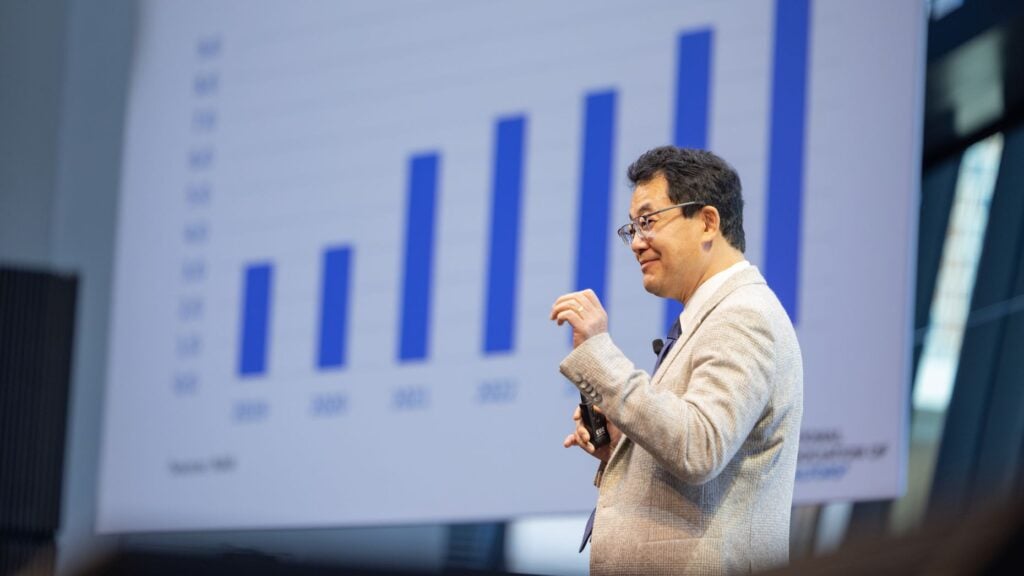
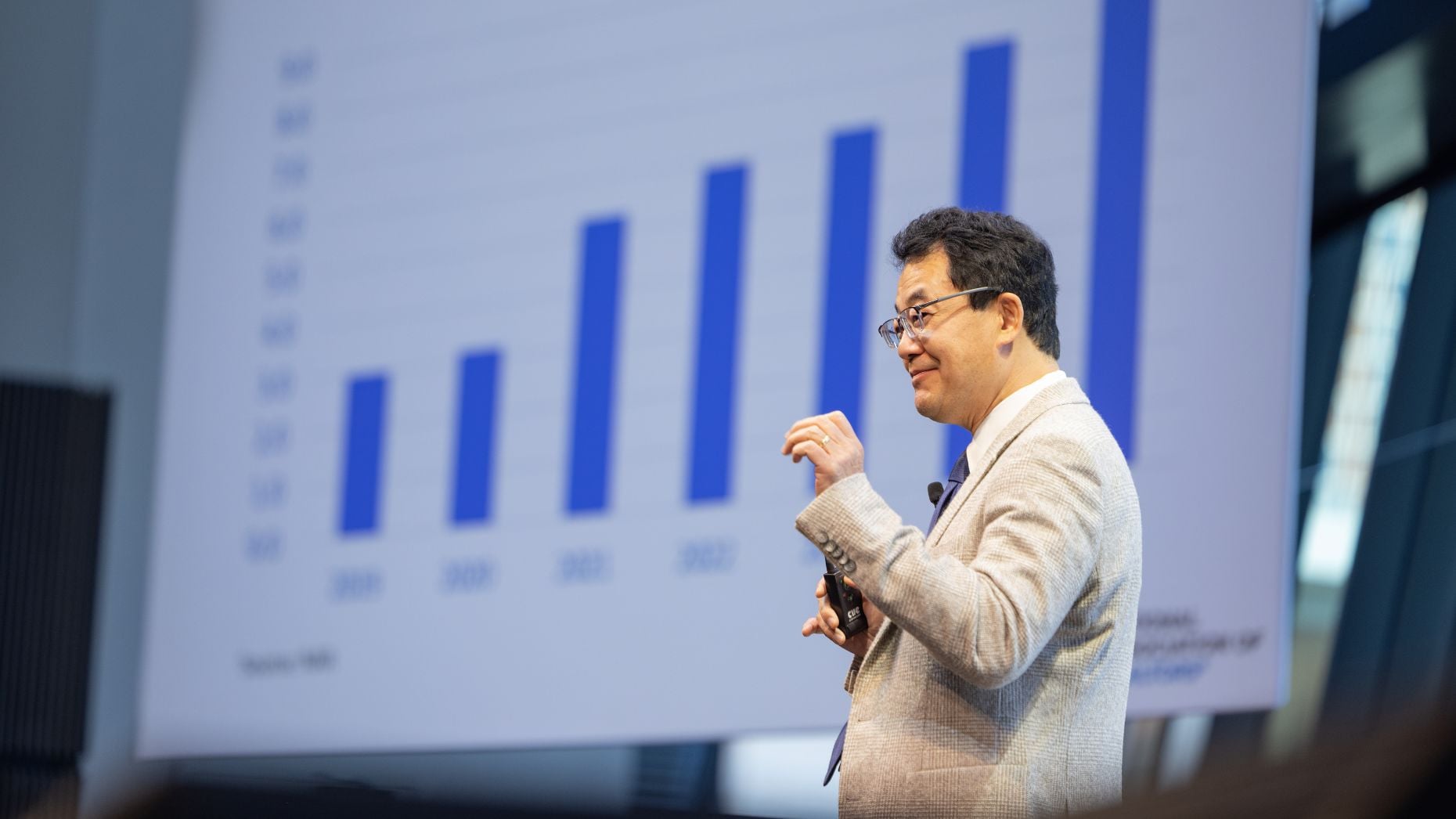
Lawrence Yun speaks at Inman on Tour Nashville 2026 | Image courtesy of AJ Canaria Creative Services
“Housing prices are trending steadily.”
One area that has remained relatively stable is housing prices, Yun said.
Mr Yun said despite affordability challenges, persistent housing shortages continue to support rising prices, particularly in regions such as the Northeast. “Housing prices are trending steadily,” he said.
He expects prices to rise about 3% to 4% this year due to supply constraints and continued competition in an underbuilt market. Although the environment remains challenging for real estate agents, it is not without opportunities, Yun said.
“This is a very competitive industry,” he said, pointing to the well-known dynamic in which about 20% of agents generate 80% of the business. But even if the market is down, top performers can still grow, he said.
“Even in tough situations, some people have their best years,” Yun said.
After three years of stagnation, Yun believes the market is finally starting to change, even if at an uneven pace. “I wish it would have spun a little faster,” he said. “But it looks like we’re turning a corner.”
This change will gradually bring more buyers and sellers back into the market, setting the stage for a strong recovery in the coming years, he added.
Email Nick Pipitone
