


Good marketing requires a good system. There’s building systems, investing in systems, and it’s actually systematic. In real estate, that is often achieved with AI prompting the agent, rather than the agent prompting the AI.
Martech can help with almost everything a real estate agent needs. But the strongest platforms have AI at their core, with intelligent workflows that surface opportunities and guide next actions. Agents don’t need to be AI experts or prompt engineers. All you need is an AI system that is flexible enough to accommodate different ways of working.
Why systems are more important than ever
You walk into a sales meeting and three agents are discussing marketing.
The first person wants to build everything himself. Second, you want someone to set it up for you and never think about it again. And the third is somewhere in between. They need help, but not so much that they can’t make it their own.
So how do you, as a broker, extend your marketing across an office where everyone approaches marketing differently? By building a system.
But building a system and being systematic are not the same thing. Systems are tools you invest in. Being systematic is what happens when these tools actually guide agents to the right actions.
Most agents know what they want. They know they need to follow up, stay on brand, and keep their name visible. They don’t always know how it’s done or what to prioritize first.
That’s fair. If you take a step back and look at marketing in the real estate industry today, it has so much going on. There’s digital marketing, advertising, social media, paid advertising, and community outreach, but that’s before you even start selling your home. One agent can’t be expected to learn it all. It requires a multi-person marketing team with decades of combined experience.
So the question is, what type of marketing is best for real estate? What actually drives returns? What needs to happen consistently across the office?
The answer is that you need a little bit of everything, and the only way to do that efficiently is to leverage technology and implement scalable systems.
lay the foundation
Certain things should already be fixed, such as the brokerage branding. Your brand shouldn’t be given a second thought every time someone opens Canva. Your logo, colors, and brokerage name should already be built into your marketing technology, with enough room for agents to make it their own within the guardrails you define while keeping everything compliant.
Others include CMA. If your templates are already built and organized, agents can respond within hours instead of spending days putting together materials.
Or consider automatically sending an email on a customer’s birthday or home purchase anniversary. It’s not ground-breaking work, but it does make the client feel valued over time.
don’t let it become obsolete
Automated templates and email sequences can become background noise after a while. You set them. they run. And two years passed and no one touched them. Now it’s just an email. That’s not a mistake. It’s just… boring. That’s the risk of automation. It works until it doesn’t.
Marketing technology can’t just send things out on schedule. You need to pay attention to what is happening in the agent’s database.
Who is clicking on your list? Who hasn’t opened your email in months? Who suddenly starts engaging again?
When these small actions surface, agents can intervene. Rather than another generic newsletter, use something that actually has meaning in that moment.
Create a scalable system
It’s not about adding marketing or asking agents to suddenly become experts in every field. It’s about building systems that help them know what’s important today.
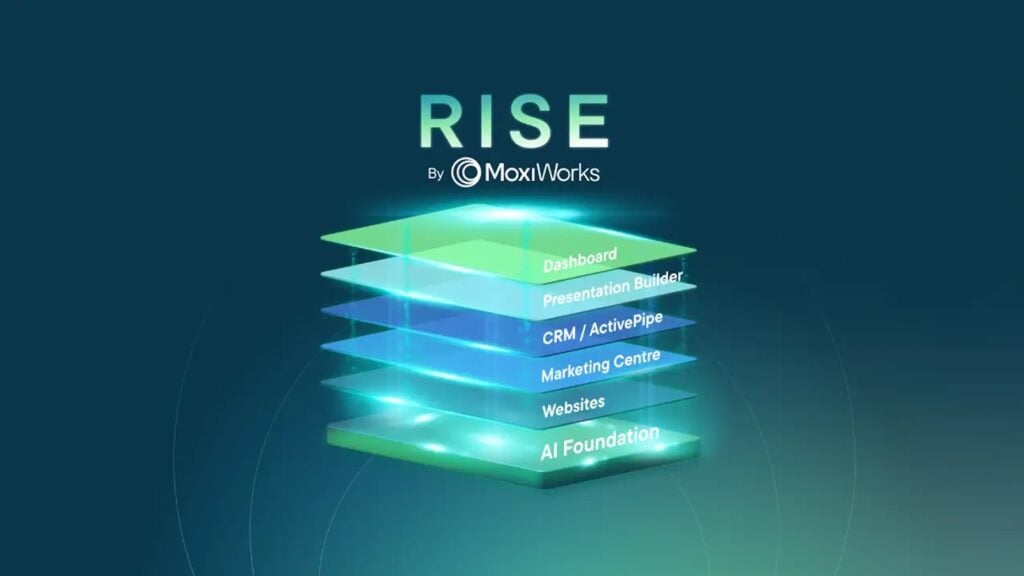
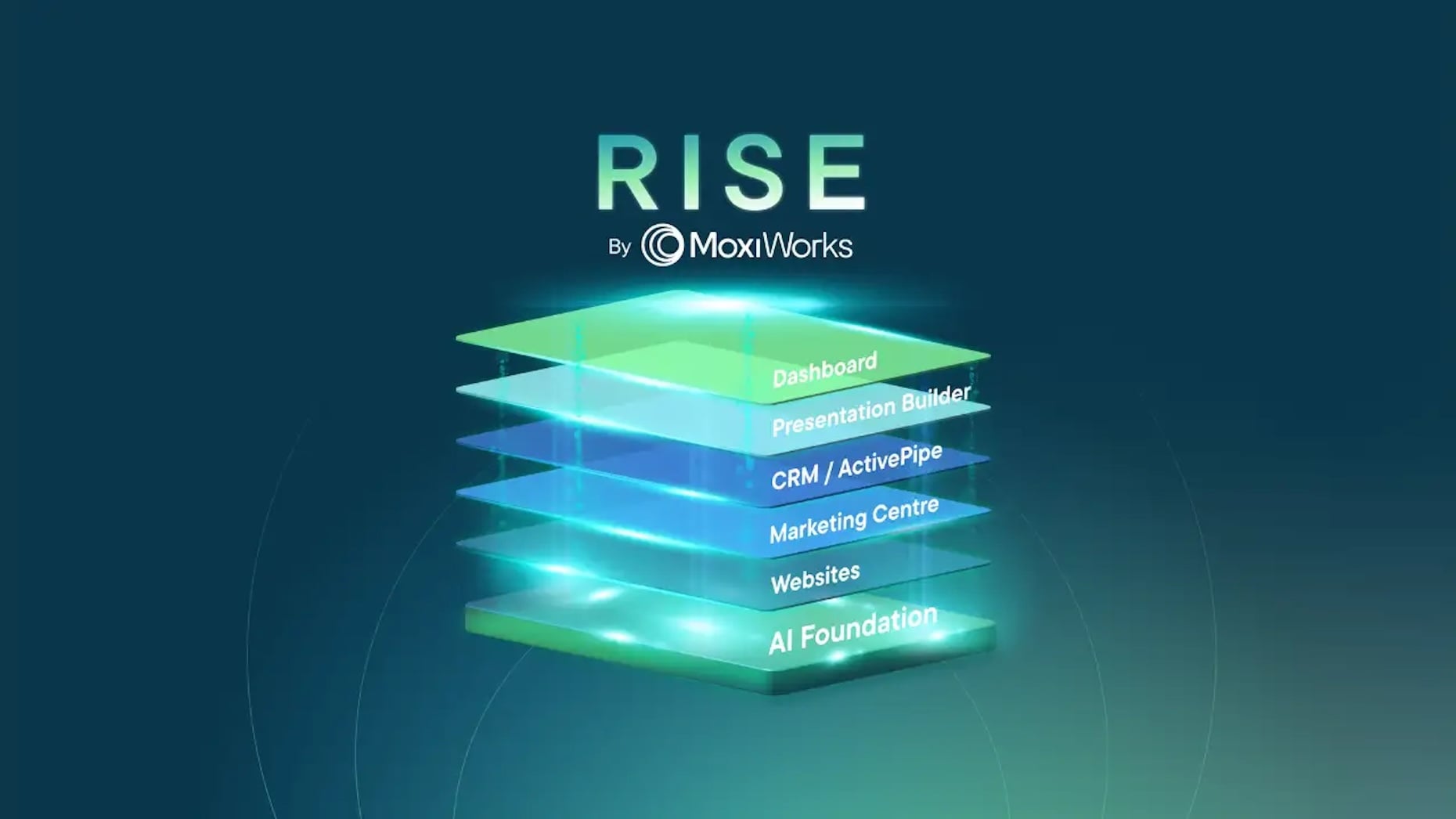
If AI is built directly into the marketing platform agents are already using, they can look at their database and say, “This contact requires a phone call.” That’s how MoxiWorks’ RISE works. We can also prepare the campaigns, emails, and presentations you need to move the conversation forward.
Agents still make each asset unique. You can review, edit, and adjust. But they don’t have to guess anymore. That’s how you support all three agents in a sales meeting. There is no need to force them to work the same way. Build a system that responds to exactly where they are.
