


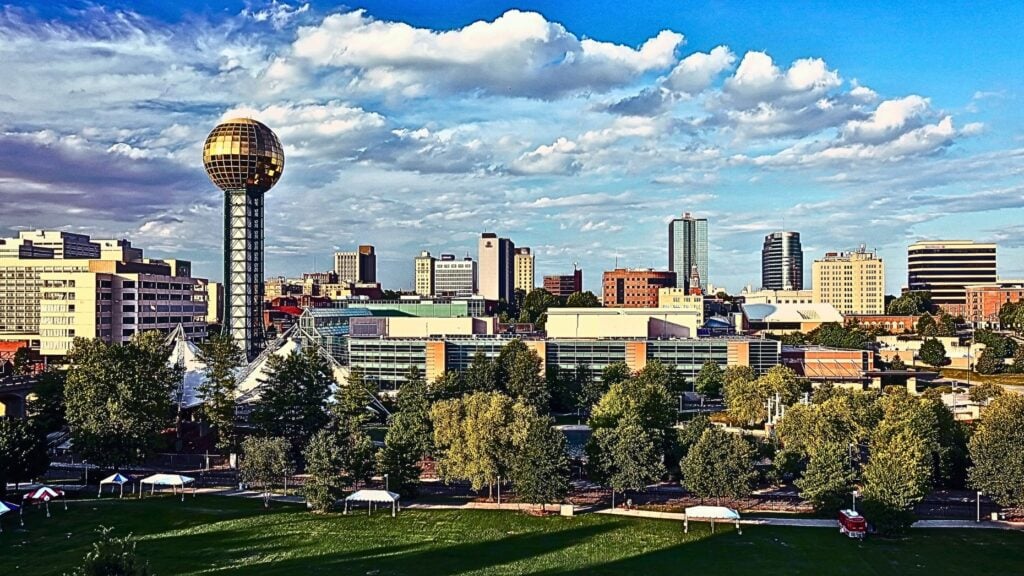
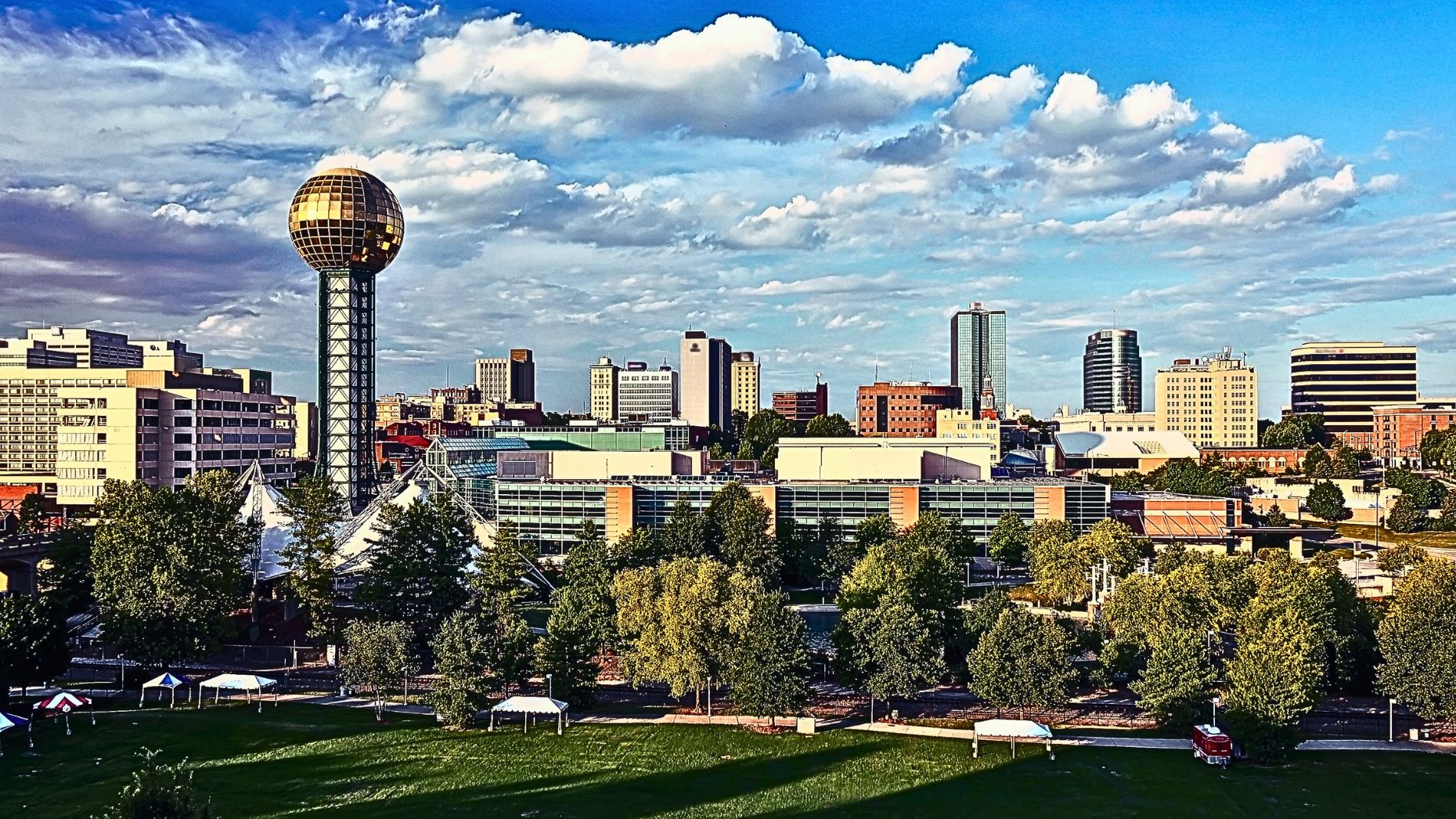
Knoxville’s appeal to employers and job seekers should make it attractive to investors looking for stable growth in a market that outperforms its size, writes Michael Zalansky.
As the multifamily market continues to reset from the recent surge in supply, investors see 2026 as a year of transition, especially in an overbuilt market facing multiple economic uncertainties. According to the National Apartment Association, investors in 2026 will be drawn to “resilient, supply-constrained” markets with population growth and a strong job market. One U.S. city meets these criteria and more.
Welcome to Knoxville, Tennessee. It’s one of the most attractive mid-sized cities in the United States and a great place to invest. East Tennessee’s cities are full of possibilities. A vibrant economy and burgeoning start-up culture are drawing more young workers and families to one of the Southeast’s most attractive cities near the Great Smoky Mountains.
Big ideas deserve a live audience. Join real estate leaders at Inman on Tour in Nashville on April 22, 2026 for strategic insights and high-impact networking. Register now to secure your seat.
According to moveBuddha, Knoxville will be the most popular migration city in the U.S. in 2026, drawn by job opportunities, thriving university culture, and outdoor recreation. But unlike other Sunbelt cities, Knoxville doesn’t suffer from a rental glut. In fact, according to East Tennessee Realtors, Knoxville faces a shortage of 23,000 units in 2025.
For multifamily investors, now is a great time to consider Knoxville. Here’s why MZ Capital Partners aims to expand its portfolio in the market.
Knoxville is a city on the market
We’ve been investing in Knoxville for 20 years and have found it to be a great multifamily market. In 2023, MZ Capital Partners expanded into the regional build-to-rent market with the acquisition of The Residences at Devanshire. This 87-home community in West Knoxville features three-bedroom, two-bathroom homes with attached garages and is highly sought after by young families and retirees. The community has created strong demand in an MSA that continues to be in short supply.
The East Tennessee Association of Realtors found that after the 2007 housing and financial crisis, construction in the region simply couldn’t keep up. According to the association’s 2025 report, housing remains “in the middle” and, while progress has been made, it still lags all income levels.
According to ETR research, home prices rose 45% from 2020 to 2024 due to the lack of supply, a period when affordability reached a 40-year low. The need for units also extends to multifamily housing.
While other Tennessee markets like Nashville and Chattanooga have stalled, Knoxville is booming. Multihousing News ranked Knoxville No. 5 among the top 10 emerging markets, citing some positive economic data for the region.
Knoxville establishes strong economic pace
Tennessee, and especially Knoxville, is expected to continue experiencing population growth as job opportunities increase. The Boyd Center at the University of Tennessee predicts that economic growth will continue across the state in 2026, albeit at a slower pace, and that Knoxville will be at the center of that growth.
According to the U.S. Bureau of Labor Statistics, the Knoxville MSA had a lower unemployment rate than the national average (3.2% as of September 2025) and lower food and energy prices. Nonfarm employment grew by 1.8% in mid-2025, the BLS reported.
Knoxville is home to some of the most stable and growing employers in the state. The University of Tennessee is a major research institution. The Department of Energy’s Oak Ridge facility aims to become a hub for nuclear technology. Pilot, which operates a national network of travel centers, is headquartered in Knoxville, and Clayton Homes, the nation’s leading modular home builder, is based in nearby Maryville.
As a result, Knoxville’s population, which has maintained an upward trajectory since 2020, could grow by up to 15.2 percent by 2040, the Tennessee Data Center predicts. Knoxville has developed ambitious plans to meet this anticipated growth.
In 2024, the Knoxville Chamber of Commerce launched the 2030 Protocol to advance technology education, hire AI-focused talent, and support technology startups. The initiative’s goals include raising average annual salaries to match competing high-tech markets such as Nashville, Memphis and North Carolina’s Research Triangle.
The company also aims to recruit more young people, ages 25 to 54, whose population has grown only 7% in Knoxville over the past 12 years. Demographics should be drawn to Knoxville beyond jobs and cost of living.
The “sloppy town” has many charms.
According to moveBuddha, Knoxville is a mid-sized city in the south with a focus on universities and is in an optimal location for quality of life. Knoxville has a lot to offer. A timeless southern downtown enriched by an energetic, diverse community and the vibrant University of Tennessee.
Neyland Stadium in Tennessee is the sixth largest venue in the nation, with a capacity of 101,915. The Knoxville Smokies, the Chicago Cubs’ minor league baseball affiliate, will begin playing at a new downtown stadium in 2025. The Bassmaster Classic, known as the Super Bowl of bass fishing, will return to Knoxville in 2026.
The Knox Asian Festival is one of the largest pan-Asian events in the country, and the city has a growing ale trail and thriving cultural scene. Meanwhile, the famous Great Smoky Mountains National Park is just over an hour away, and nearby Dollywood ranks among the top 20 most visited theme parks in the country.
Knoxville revels in the nickname “Dirty City,” born from the realization that it was too small to host the 1982 World’s Fair. The event ultimately attracted more than 11 million visitors, and Knoxville has flourished ever since. The city’s appeal to employers and job seekers should also make it attractive to investors seeking stable growth in a market that outweighs its size.
Michael H. Zaransky is the founder and managing principal of MZ Capital Partners in Northbrook, Illinois.
