


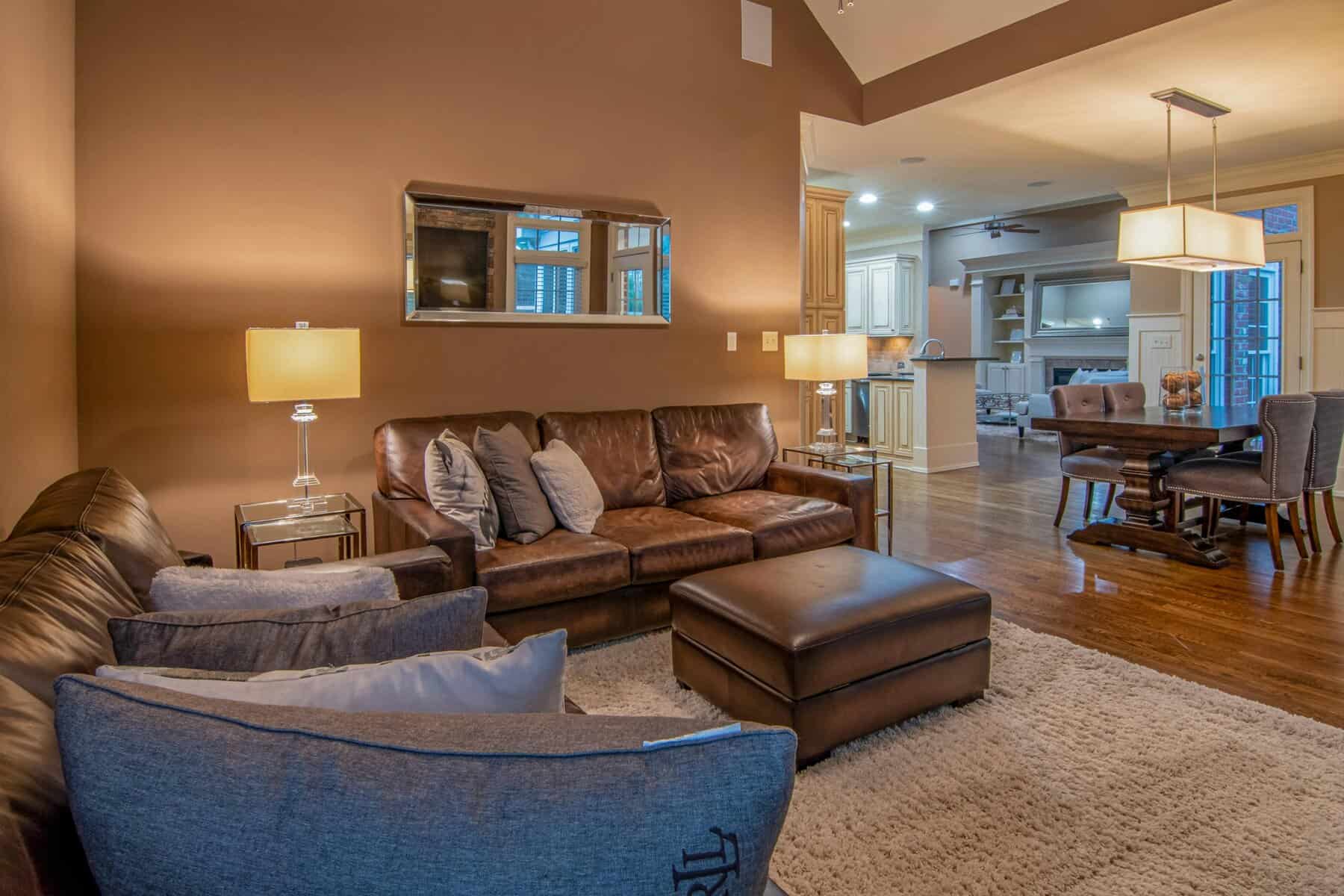
When you tour homes or watch home design shows, you’ll often hear the term open floor plan. But what exactly does this mean and how does it differ from a closed floor plan? Understanding the differences can help you decide which layout best suits your lifestyle and long-term goals as a homeowner.
Whether you’re looking to buy in West Chester, Pennsylvania, or renovate a home in Mendham, New Jersey, knowing the key differences between open and closed floor plans will help you choose the layout that best fits your needs and daily life.
In this article:
What is an open floor plan?
What is a closed floor plan?
Advantages and disadvantages of open floor plans
Advantages and disadvantages of closed floor plans
Layout effects
how to decide on the layout
What is an open floor plan?
An open floor plan refers to a home layout in which two or more common areas are combined into one large space. The most common combination is for the kitchen, dining room, and living room to all flow together without separating walls. This design encourages interaction and creates a more spacious and connected feel throughout the home.
Open floor plans became popular in the mid-20th century as modern design trends shifted toward functionality and simplicity. The idea was to remove unnecessary walls and create a space that promotes unity and ease of movement.
What is a closed floor plan?
A closed floor plan is a more traditional home layout where rooms are clearly divided by walls and doors. Each space has a specific purpose, including a separate dining room, living room, and kitchen. This setup provides privacy, acoustic control, and the ability to create a unique atmosphere in each room.
Closed layouts have been the norm for centuries, especially in older homes where heating efficiency and privacy are paramount. Although this style may feel more compartmentalized, it can provide a cozy and organized environment that some homeowners prefer.
Advantages and disadvantages of open floor plans
Strong Points
Create a sense of spaciousness and lightness Facilitate entertaining and socializing Facilitate connections between spaces Increase flexibility in design and furniture placement
Cons
Noise can easily travel between rooms Privacy for personal activities is limited It may be difficult to regulate temperature uniformly
Advantages and disadvantages of closed floor plans
Strong Points
Provides greater privacy and acoustic control Helps define the purpose and style of each room Typically improves energy efficiency for heating and cooling
Cons
Homes become smaller and less connected Reduce the flow of natural light between rooms May feel unsuitable for gatherings
How floor plans affect home value and lifestyle
The layout of your home determines how you live every day and how attractive your property will be to future buyers. The open floor plan creates a sense of flow and connection, perfect for socializing, celebrating/gathering, and allows natural light to fill the space. In contrast, closed floor plans offer well-defined rooms that provide quiet, private areas perfect for working, reading, or focused activities. Choosing the right layout will ensure your home supports both your lifestyle and long-term goals.
The way your home is laid out can have a huge impact on how it feels and functions day-to-day. “I’ve come to understand how deeply layout shapes our daily lives,” says Mike Romanowitz of DEN Outdoors. “Shared spaces foster a sense of connection, flexibility, and magic in everyday life, creating a more expansive and dynamic environment, especially when combined with thoughtful window and door placement that brings the outdoors in.”
When it comes to home value, both layouts can add value in different ways, depending on the home’s location, design, and overall functionality of the space.
As open layouts continue to evolve, many buyers are gravitating towards a more balanced approach. “Open floor plans sell the dream of fun, but a hybrid approach that combines wide views and more defined living areas often results in better long-term livability,” says Robert Lin of Point B Properties. “Completely open spaces can make it difficult to contain noise and separate work from relaxation, which is why clear living zones are once again becoming an important feature.”
Which layout is right for you?
Whether you choose an open or closed floor plan will depend on how you live your day to day life. If you want to enjoy your food while talking with your guests, or if you prefer a bright and open space, an open layout may be perfect for you. On the other hand, if you value privacy, need a quieter area, or prefer separate rooms for certain activities, you may feel more comfortable with a closed layout.
Ultimately, the best layout will depend on your lifestyle and what balance you want between openness and privacy. “Before COVID-19, everyone wanted seamless, connected living spaces, but once lockdown started, people quickly stopped putting up walls,” says interior designer Alexandra Bailey of SCAL Home. “Some homeowners prefer to enclose the kitchen to hide clutter, while others value open sightlines to keep everyone connected. The best designs are often balanced, combining shared living areas with flexible private spaces that can be closed off when needed.”
Consider your family size, lifestyle, and future goals. A mixed approach that leaves the main living area open and the bedroom and office enclosed can provide the best of both worlds.
FAQ: Deciding between open and closed floor plans
Can open and closed layouts be combined in one house?
Yes, many modern homes have a hybrid approach with open main spaces and enclosed private rooms.
Does an open floor plan increase the value of your home?
You can improve your marketability by appealing to a wide range of buyers who appreciate modern, connected spaces.
Which layout is more energy efficient?
Closed floor plans are generally more energy efficient because they make it easier to heat and cool separate small rooms.
Are closed floor plans considered outdated?
Not at all. Although open designs are popular, many homeowners still prefer the comfort and privacy of a closed layout.
Can an older home be converted to an open floor plan?
yes. However, this often requires the removal of load-bearing walls and requires a professional assessment to ensure safety and structure.
What kind of floor plan is suitable for resale?
It depends on your local market. In many areas, open layouts attract buyers, while closed plans may appeal to those who value privacy and traditional design.
