


Deciding where to live is one of the most important decisions we make in our lifetime, and choosing the right type of housing is an important part of this process. With so many options available, including apartments, detached houses, and townhouses, it can be difficult to decide which type of home is right for you.
If you choose to rent in Sacramento, for example, buying a townhouse might be a great option as it offers a relatively affordable and low maintenance lifestyle. In Boston, townhouses offer a close sense of many of the city’s attractions and community, but in Portland, townhouses are often designed with eco-friendly features and are often easily accessible to outdoor recreation.
In this article, we explore the pros and cons of buying a townhouse compared to other types of homes. We’ll take a closer look at what to consider before making your decision and provide some helpful tips for those considering buying a townhouse. Whether you’re a first-time home buyer or looking for a downsize, this guide offers valuable insights to help you make informed decisions.
What is a Townhouse?
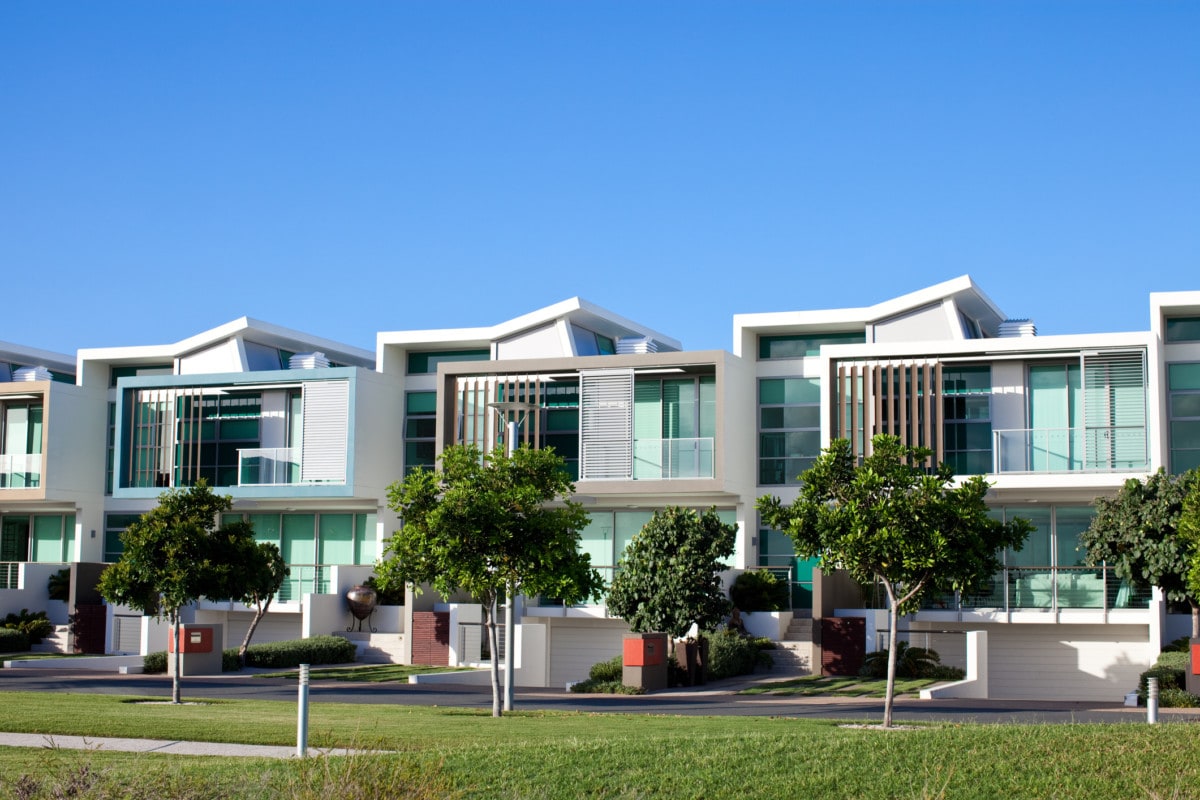
A townhouse is a type of home residence characterized by its narrow and tall structure. Houses attached to one or more similar homes form a row or terrace of the house. Townhouses are located in urban and suburban areas, often close to commercial and entertainment districts.
Townhouses are a popular housing option for many who want the privacy and independence of single-family homes, but they also want the benefits of living in a community. Often they are cheaper than single-family homes and offer a lower maintenance lifestyle than owning a standalone home. Additionally, townhouses are usually designed to maximize space, making them a great option for those looking for a larger living area than an apartment, but they don’t want to maintain a detached house.
Townhouses are usually multi-level, with two or three stories, often with small gardens or patios. Usually, the first floor has a living room, dining room and kitchen, and the bedroom and bathroom on the upper floor. Some townhouses have basements or garages and offer additional living space or storage.
Many townhouses are also part of the Homeowners Association (HOA). This means that residents pay the association to cover the costs of maintenance, landscaping and other shared equipment. This fee may also cover costs for garbage removal, snow removal, and other services. Additionally, townhouses are often located in desirable locations close to shopping, dining and entertainment.
The advantages of the townhouse
Affordable: Townhouses are often more affordable than single-family homes, making them a cost-effective option for those looking for their first home. Space: Townhouses generally have more living space than apartments and multiple floors, which can increase privacy. Community: Townhouses often have a strong sense of community, with outdoor spaces, amenities and social events shared. Low Maintenance: Townhouses are often part of the Homeowners Association (HOA), so external and common areas maintenance is handled by the HOA. Security: Many townhouse communities offer security features such as gated entrances and security cameras, which can provide additional safety to residents.
Cons of townhouses
Lack of privacy: Townhouses often share walls with nearby units. This can lead to noise and lack of privacy. HOA Fees: Homeowners Association fees are additional costs that must be factored into your budget and can increase over time. Limited Customization: Townhouses are often part of a larger community, so homeowners may not have the freedom to customize the exterior or interior of their units. Limited Outdoor Space: Townhouses may share outdoor spaces, but in many cases private outdoor spaces are limited. Limitations: Some homeowners associations may have restrictions on certain activities, such as parking, pets, and the use of common areas.
Things to consider before purchasing a townhouse
Location: The location of the townhouse is very important and factors such as its proximity to schools, shopping centres, hospitals and public transport should be taken into consideration. Homeowners Association (HOA): Find HOA fees and regulations and determine if it suits your budget and lifestyle preferences. Floor Plan: Make sure your townhouse layout and size are suitable for your needs. If you prefer an open floor plan, make sure your townhouse meets your requirements. Amenities: Check if the townhouse has the amenities you are looking for, such as a swimming pool, gym, or clubhouse. Renovation and Maintenance: Consider the potential repairs and renovations you need and ask if there are restrictions on the fix. Affordable Prices: It helps you decide what you can afford by taking into account the cost of a townhouse and the cost factors such as closure costs, property taxes and insurance. Home inspection: Before purchasing, perform a home inspection to identify potential real estate issues, such as structural issues, leaks, and electrical issues. Future Plans: Consider a long-term plan before purchasing a townhouse. If you are planning to start a family, hire pets, or move around, make sure your townhouse meets future requirements. Security: Check out the security measures introduced in townhouses, including cameras, fencing, security personnel and more. Funding Options: Determine the funding options available through your lender and choose one that matches your financial goals.
Useful Tips You Should Know Before Buying a Townhouse
Know your budget: Before you start looking for a townhouse, learn about your budget and how much you can afford. This will help you narrow down your options and avoid falling in love with a townhouse that’s off budget. Location: Location is one of the most important factors to consider when purchasing a townhouse. Find places close to public transport, schools, shopping centres and other essential amenities. HOA Fees: Many townhouses are part of the Homeowners Association (HOA). Make sure you understand HOA fees and what they cover. Some HOAs cover lawn care and external maintenance, while others only cover basic services. Reserve Funds: Ask if the HOA has reserve funds. This fund will be used for unexpected repairs and maintenance. It is important that the HOA has sufficient funding to cover potential repairs. Noise Level: Townhouses can be noisy, especially if they are close to busy streets or have thin walls. Visit the townhouse at different times of the day and feel the noise level. Homeowner Insurance: Take out homeowner insurance to protect your investment. Shop for the best prices and coverage. Parking: Check if the townhouse has a garage, parking, or tandem parking. If not, check if street parking is permitted and if there are restrictions. Future Planning: Find out if your area has future development plans. This can affect the value of your property and the quality of your life. Resale Value: When purchasing a townhouse, keep resale value in mind. It has the right equipment to find a townhouse in the desired location and increase your chances of selling it for future profits. Home Office: According to Red Brick Property Management, “The properties with home offices, flexible workspaces and high-speed internet attract these tenants.” This makes townhouses an ideal option for remote workers. This is because it often provides extra space needed for home offices and dedicated work areas. With the continued widespread adoption of remote and hybrid jobs, townhouses may offer better living solutions that cater to both professional and personal needs.
You need to buy a townhouse
A townhouse is a type of housing ideal for many people who want privacy and independence in a detached house. There are benefits to living in a community. “Renting a townhome in downtown Chicago offers more space and separation than traditional apartments, providing a quieter, more private living experience while in the heart of the city.”
“Many skyscrapers in River West and Porto in West Loop have attached townhomes, allowing you to enjoy townhome life without sacrificing luxurious amenities such as a pool, gym, lounge, and more. Apartments, townhomes usually have direct entrances, eliminating the need to navigate busy corridors and elevators.
Townhomes are usually cheaper than single-family homes and offer a lower maintenance lifestyle than owning a standalone home. Townhouses are often in desirable locations and are popular housing options for many people. If this sounds like what you’re looking for, then a townhouse might be the right choice for you.
