


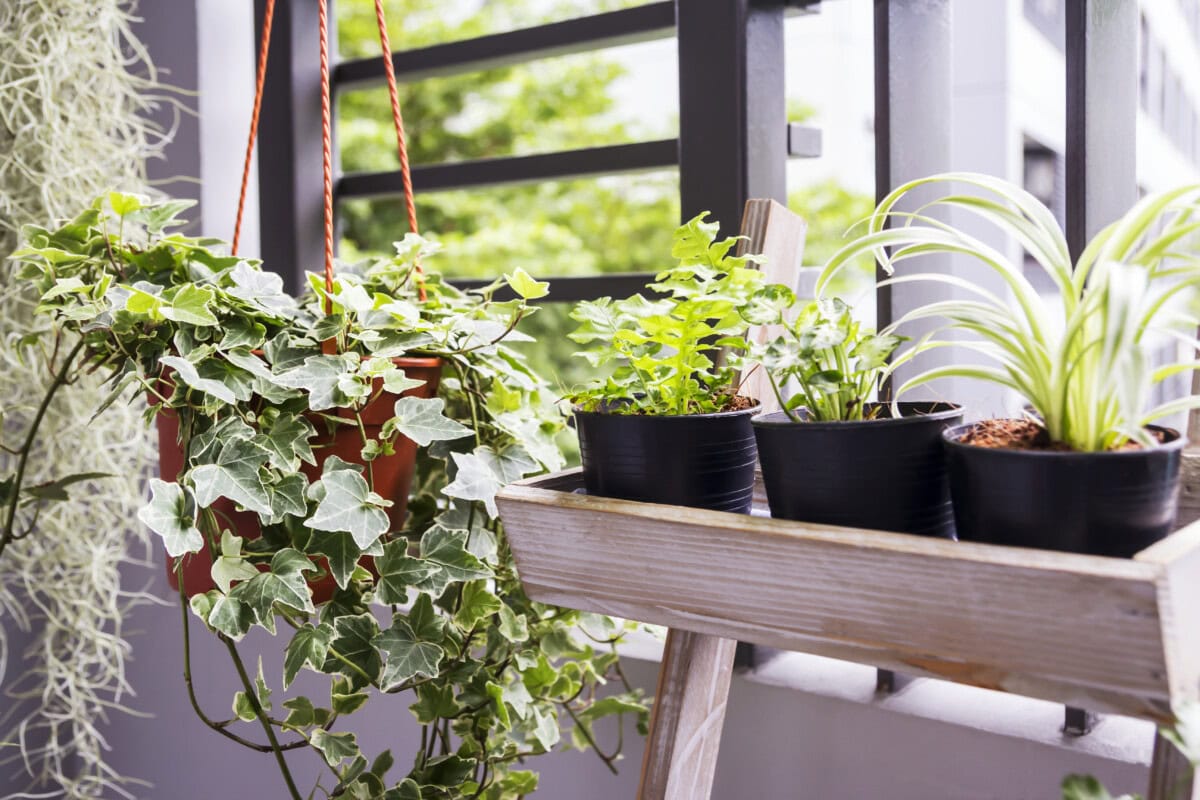
Spring is the perfect time to turn your outdoor space into a thriving balcony garden, no matter what size it is. Whether you’re enjoying the warm weather in Phoenix, Arizona, making the most of your small space in New York, or adapting to changing temperatures in Denver, Colorado, choosing the right plants can bring your balcony to life. With creative containers, space saving techniques and easy care bloom, you can grow lush and vibrant balcony gardens this season.
Place your garden for maximum sunlight
The first thing you need to do to create a thriving balcony garden is the perfect amount of sunlight. Plants have a variety of light requirements. Some plants need full sun, while others prefer partial or full shades. Different levels of sunlight will be produced depending on the basic direction the balcony faces and the obstacles present. It is important to consider all these factors when designing a balcony garden.
“For balcony gardens that thrive this spring, track the sun throughout the day to ensure that plants are placed for optimal light. Use rail planters for herbs – keeping them easily within reach for cooking while maximizing space.” – Teresa Palmere, Publisher, Green Garden Zone
“Max your balcony garden by choosing compact, sun-loving plants such as herbs, succulents, and dwarf vegetables that thrive in containers.” – Sunshine Chapman, President of Garden Works
“Always remember that south facing balconies are exposed to intense direct sunlight, perfect for sun-loving vegetables and flowering plants. Observe your space throughout the day and choose a happy balcony plant. Those who have gained direct sun for more than six hours can support herbs such as basil and rosemary. – Kevin Trenard, Plantsam
“It’s important to see how much sunlight you are experiencing in the area you plan to incorporate into your garden. Different plants need different amounts of sunlight, and recognizing that is essential to ensure that your garden thrives and grows.” – Lewis Salas, Peakscape
Add colorful flowers
After determining how much sunlight your balcony will receive and need it, your next focus will probably be as beautiful as possible. Choose bright, colorful flowers to add a vibrant touch to your garden. Combine them with lush greenery or decorative planters to create even more attractive spaces.
“Every yearly flowers such as petunia, marigolds and begonias are great for adding vibrant colors to your garden. They bloom in large quantities throughout the season, making them the perfect choice for small spaces like balconies where you want to maximize color and visual appeal.” – Carolina grass lawns and landscapes
Choose plants that thrive in your local climate
Plants that can be grown on a balcony require different care than those found on the ground. It is essential to select plants that can withstand growth in containers. Also consider the climate in which you live. If you live in a dry area, do not purchase tropical plants like ferns and monsters that require high humidity.
“To design a thriving balcony garden, you can choose plants according to your local climate and thrive in containers such as herbs, succulents, and compact flowers. Make sure the containers have good drainage and water on a regular basis, but be careful not to overcover the water as the balcony often has limited moisture retention.” – Dr. Tim Miles, Triangle Hand
Take advantage of vertical spaces in the balcony garden
No matter the size of your balcony or porch, take advantage of vertical wall and ceiling space. Consider picking up plants from the floor to create shelves or using a railing planter. Hanging plants can be exposed to sunlight. Remember that this means that you need to dry faster and water more frequently.
“A great option to optimize small areas is to implement a hanging basket. The subsequent plants are beautiful and do not take up useful space in the floor. Finally, plants that like to climb are a great option as they take advantage of vertical space and do not take up more space in the floor as they continue to grow. While it’s easy to add a tropical atmosphere to your balcony, it’s essential to use these tips and tricks to make the most of your space.” – Matt Alton, Head Grower, Suitable Plants
Choose a flowering plant
Choosing flowering plants for balcony gardens can help attract pollinators such as bees and butterflies, and will benefit local ecosystems. These plants not only add color and beauty, but also support urban biodiversity. By choosing the right flowers, you can create spaces that contribute to pollination while making the most of the limited space.
“Balcony gardening is a great way to increase biodiversity in urban and suburban areas. Planting flowering plants that attract pollinators can improve your food production. If that’s what you’re interested in. There are many shade-loving plants that don’t bloom if pollinators and food production are not your focus. For example, ferns and conifers can be grown in pots for years, which can help reduce the heat island effect of the city.” – Keith Rukowski, Manager of Durham Garden Center
You can still grow fruits
Even in small spaces like the balcony of an apartment, it is still possible to grow delicious fruits in your own garden. With the right containers and care, you can grow fruit trees and vines that produce delicious treats throughout the year. Whether you want to try growing berries, dwarf apple trees, or even citrus fruits, there are plenty of options to make the most of your limited space.
See us as the largest craft cider garden lover, apple expert and curator in the United States
“Gardens of all experience levels, regardless of space, can grow different apples and pears and get a large harvest. With grafts, one tree can produce multiple apple varieties. Many nursery schools sell trees with several varieties already grafted. The Espalier method (our favorite is the Belgian fence) helps to fit robust apple trees into small spaces.” – Press the owner Eric Madrid, Press Cider Shop, the largest craft cider curator in the United States
Add garden art
Even a small balcony can become an attractive hideaway with the right touch of garden art. Adding unique pieces can bring personality and visual interest to the space. Whether it’s a sculpture, wind chime, or decorative pot, these elements can turn your balcony into a cozy, creative oasis.
“Copper Garden Art can bring beautiful and timeless quality to outdoor spaces. Haw Creek Forge Copper Garden Art can bring a unique and whimsical touch to your balcony garden. This handmade piece from Asheville, North Carolina is hung on a wall, whether displayed on a stake, placed on a table, or hung on a wall. – Margie Murphy, Haw Creek Forge
Choose native plants
One of the best ways to ensure that your balcony garden thrives with minimal effort is to choose native plants. These plants are naturally suitable for the local environment. This means there is less maintenance and more likely to flourish. Native plants also attract local pollinators and win both in your garden and in your surrounding ecosystem.
“One easy way to get more luck when planting and maintaining a balcony garden is to choose native plants. Many garden centres and nurseries have sections dedicated to native plants that are already adapted to the local environment of the gene. This means you will have less maintenance with happier native pollinators.” – Tara Henderson, Horticultural Specialist, Highland Biology Bureau
Check out our local garden centre
Gardening is a continuous learning experience, and each season offers the opportunity to improve your space. Take your time to see how the plants grow, what flourishes, and what can be a little more attention. With each passing season, you will gain more insight into what’s best for your balcony garden and how to improve it even further.
“Take notes and create photo albums to refer to throughout the growing season. Think about what you love and what you will change. Do you need more plants in the sun or shade? Which colours will complement your home? Plan your trip to the next garden centre, as you can be overwhelmed by so many options to choose from.” – Kitbank, Manager, Pender Pine
Even the smallest balcony can be a thriving garden with a little planning and proper plants. “To make your balcony garden a successful choice of compact, multifunctional plants, such as herbs, dwarf vegetables, or subsequent flowers, to maximize the limited space,” said James Rowley of Home and Garden Supply. Check soil moisture regularly, refresh nutrients with compost or organic fertilizer, and rotate the plants seasonally to allow continuous growth. Whether you are trying to grow fresh fruits or simply enjoy the beauty of nature, your balcony garden can be a peaceful retreat that will enhance both your home and your environment.
