


Luxurious amenities and premium upgrades can make a home feel like a dream come true, but some features lose their appeal when homeowners face the realities of maintenance, lifestyle changes, or resale value. While certain upgrades may be worth the investment, others may not provide the return or day-to-day functionality that buyers expect.
Whether you’re buying a new home in Los Angeles, CA with modern amenities or relocating to a property in Duluth, MN, here are the seven home features and upgrades that experts say most often make buyers think twice about paying extra.
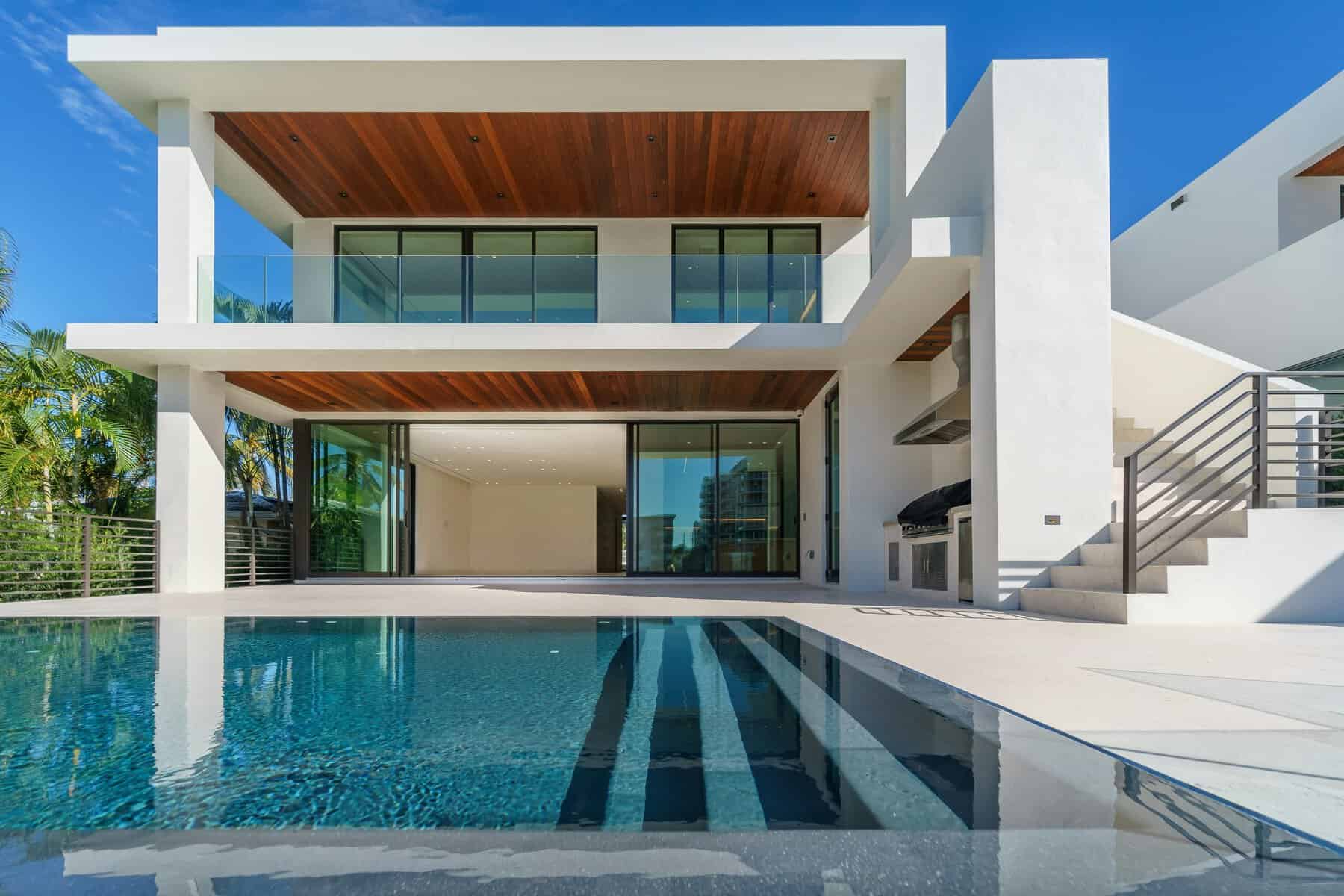
1. Swimming pool
A backyard pool can feel like the ultimate luxury, especially in warmer climates or for recreational buyers. However, there are still costs after installation. Between regular cleaning, repairs, insurance, and seasonal maintenance, pools require a significant investment in both time and money. Sales can also be surprisingly polarizing.
“The feature buyers most regret paying extra for is a pool,” says Hunter Lipsky, owner of Pro Home Buyer Solutions. “I routinely see owners investing tens of thousands of dollars in a pool with the hope of recouping only a portion of it on resale. It bifurcates the buyer pool, because every time a buyer wants one, another one walks around looking at maintenance, insurance, and liability.” Pools may still be valuable for buyers who plan to use them frequently, but it’s important to understand the long-term commitment before jumping in.
>>Read: Does a pool make it harder to sell your home?
2. Complex smart home systems
Smart home technology is becoming increasingly common, but not all upgrades offer the same level of convenience. While features like video doorbells and smart thermostats have broad appeal, more complex systems can be difficult to maintain and become obsolete as technology evolves. Prospective buyers may also prefer a simpler setup that they can customize themselves.
According to Virtual Tour Easy, “What buyers often think twice about for premium features are complex smart home systems. While they may seem impressive at first, they often come with maintenance requirements and specific lifestyle demands that may make them unappealing to future buyers.” Keeping smart technology practical and easy to use can help homeowners avoid paying for features they rarely use.
3. Oversized kitchen
A spacious kitchen is at the top of many buyers’ wish lists, but bigger doesn’t necessarily mean better. A larger kitchen often requires maintenance on more cabinets, countertops, and appliances, and not everyone needs the extra space. Many homeowners find that a thoughtful layout and efficient storage are more important than square footage alone.
“We’re seeing a shift away from the idea that bigger is automatically better,” said Adam Milestone of Milestone Custom Homes. “Today, buyers value intentional design and functionality rather than simply adding square footage for the sake of increasing size.” Prioritizing function over size will help your kitchen fit into real life.
4. Formal dining room
While a dedicated dining room was once considered a must, today’s buyers are increasingly looking for flexibility. As remote work and lifestyle changes continue to change the way people use their homes, spaces that can be used for multiple purposes are becoming more desirable. A room that remains vacant for most of the year may not provide you with enough value for its square footage.
“We’re seeing buyers prioritize flexible spaces over specialized rooms,” says Katie Muegge, design manager at Onyx+East. “Formal dining areas are becoming less popular and multipurpose spaces, such as dining and home offices, are becoming more mainstream.” Versatile spaces are often more easily adaptable to changing needs and lifestyles.
5. Time-consuming landscaping
Beautiful landscaping can increase curb appeal and create an attractive outdoor space, but maintaining an elaborate garden can be expensive and time-consuming. From watering and pruning to replacing plants and hiring professionals, ongoing maintenance costs can add up quickly. Buyers who underestimate their commitment may find they want something simpler.
“Big, well-kept yards and elaborate outdoor features are things buyers often think about later,” says Tony Morelli, owner of Tony Buys Homes. “Many homeowners later discover that the upkeep, landscaping costs, and time commitments were greater than expected.” Before investing in extensive landscaping, consider whether maintenance will fit into your schedule and budget.
>>Read: What is curve appeal?
6. Highly customized finishing
Personalized features can give your home a unique feel, but not all design choices will appeal to prospective buyers. Bold colors, statement kitchens, and niche upgrades often reflect personal taste more than overall market appeal. What’s popular today may seem outdated tomorrow.
Alan Loughlin, president of Fair Offer NY, says, “Highly customized finishes, such as bold statement kitchens or niche smart home systems, can actually narrow a buyer’s options at the time of sale.” Timeless finishes and high-quality materials tend to have long staying power and wide appeal.
7. Assume a standard home inspection is sufficient.
Some buyers regret paying extra for features they rarely use, while others regret not spending more during the purchase process. While a standard home inspection can provide valuable information, it doesn’t always reveal problems hiding beneath the surface. Specialized inspections can uncover costly problems before they become the homeowner’s responsibility.
“What buyers are reconsidering is skipping specialized inspections,” says Frank Anarumo, owner of Anarumo Inspection Inc. “A standard home inspection covers many things, but the three most commonly requested by buyers are: Three additional services are pool and spa inspections, sewer inspections, and mold inspections. These are areas that can hide expensive issues that aren’t necessarily obvious during a regular walk-through, and many buyers find the extra peace of mind worth it before moving forward with such a large investment.”By spending a little extra upfront for targeted inspections, buyers can potentially avoid expensive surprises after the deal closes.
>>Read: Types of home inspections buyers should consider
focus on how to actually live
While many premium features are appealing because they represent an ideal lifestyle, the best investments are often those that support your everyday life. If you’re weighing premium features against your budget, our home affordability calculator can help you determine what you can afford and whether certain upgrades are worth the extra cost. Before paying extra for an upgrade, consider how often you’ll use it, how much it costs to maintain it, and whether it’ll make sense in years to come.
