


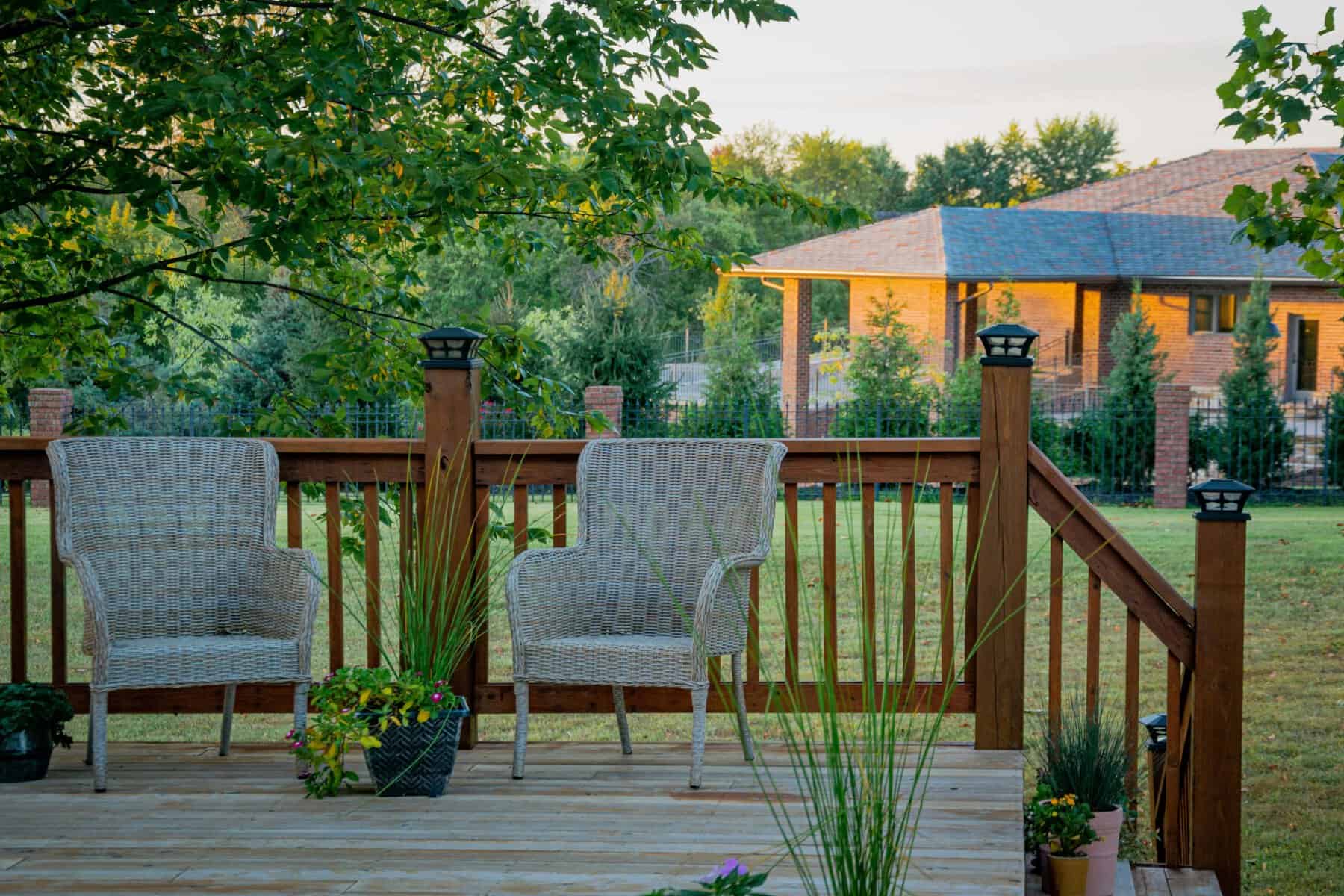
A beautiful outdoor space should feel like an easy extension of your home, rather than a source of ongoing maintenance. With the right sustainable landscaping ideas, you can create a garden that looks great all year round, in harmony with your local climate and green building principles. From native plants to smart water use to thoughtful design, small choices can have a big impact on both style and sustainability.
In this Redfin article, landscape experts share their favorite ways to design outdoor spaces that feel intentional, inviting, and connected to nature. From preparing a home for sale in Coeur d’Alene, ID to updating your backyard in Phoenix, Arizona, these insights highlight how homeowners everywhere can bring more beauty and functionality to their outdoor spaces.
In this article:
Why sustainable landscaping is important
1. Design your outdoor space according to your climate and environment
2. Create a functional outdoor living area that extends your home
3. Incorporate thoughtful zoning for comfort and flexibility
4. Use native and climate-adapted plants for a low-maintenance landscape.
5. Layer natural elements like trees, shade, and water management.
Sustainable landscaping ideas for a beautiful and resilient backyard
Why sustainable landscaping is important
Sustainable landscaping isn’t just about creating a visually appealing garden, it’s about designing outdoor spaces that are functional, inviting, and actively support the environment. With careful planning, you can reduce water usage, improve air quality, and even lower ambient temperatures, making your outdoor space more comfortable and efficient year-round. These choices, if made well, will improve both your lifestyle and your long-term environmental health.
Kathy Aoyagi, president of FormLA Landscaping, says, “The ultimate outdoor living… Space isn’t just about awe, fun, and charm; it can save the world. Proper landscaping reduces heatwaves, fire hazards, air pollution, energy use, cleans air and water, and feeds humans and wildlife alike. The steps to ‘save the world’ are relatively simple: prioritize native foliage.
The main benefits of sustainable landscaping are:
Drought-tolerant native plants reduce water consumption. Air and water quality improves through healthier ecosystems. Reduce energy usage by naturally cooling outdoor and indoor spaces. Increased biodiversity of local wildlife. Over time, it will reduce maintenance and make your garden easier to manage.
1. Design your outdoor space according to your climate and environment
Creating a successful outdoor space starts with understanding the environment in which it is located. Climate, geography, and the natural environment all play a big role in the design of your garden, from the selection of materials to the way you incorporate shade and comfort into your layout. When outdoor spaces are designed around their environment, they feel more natural, last longer, and require much less maintenance.
Eli Hall, owner of AMS Landscape Maintenance Services, says in a hot climate like Phoenix, thoughtful design is essential to making outdoor living practical and enjoyable. “Phoenix offers the ultimate in outdoor living. By space, we don’t mean lush lawns; we mean smart design for the desert climate. Thoughtful shade, durable surfaces like paving, and desert-adapted plants that thrive in extreme heat create spaces that are both inviting and practical. Many of these plants also provide vibrant color year-round and add life to your landscape without using a lot of water. Done right, your outdoor area becomes a true extension of your living space, rather than a constant maintenance project. ”
Strategies for climate-smart design include:
Prioritize shade structures such as pergolas, trees, and covered patios. Choose hardscape materials that are durable and appropriate for your climate. Design layouts that improve ventilation and comfort. Choose plants that naturally thrive in local conditions. Reduce lawn space and prioritize low-maintenance alternatives.
2. Create a functional outdoor living area that extends your home
A well-designed outdoor space should feel like a natural extension of your home, an additional “room” that’s as comfortable and intentional as your interior. When outdoor areas are built with everyday use in mind, they naturally become places where people gather, relax, and spend more time outdoors. The key is to balance comfort, functionality and design to create a space suitable for both daily living and entertaining.
“A well-designed exterior space recognizes that everyone is different in the way they interact with their environment,” says Caroline Gallagher of Manuel Zeitlin Architects. “It offers diversity, from open, active gathering spaces to quiet pockets for people-watching or personal reflection. People can choose their own level of participation and feel supported within it. The goal is not to prescribe how people interact, but to create conditions in which different kinds of belonging can comfortably coexist.”
To create a more functional outdoor environment, consider the following:
Comfortable, weather-resistant seating to encourage gathering and relaxing. Layered lighting to support both daytime use and nighttime ambience. Fire protection function extends ease of use even in cold seasons. A covered area or shade structure provides year-round comfort.
3. Incorporate thoughtful zoning for comfort and flexibility
By carefully dividing the backyard into separate “areas,” homeowners can create a space that is more organized, comfortable, and adaptable to a variety of activities. This approach will help your outdoor space function smoothly, whether you’re entertaining guests, relaxing alone, or spending time with your family.
With proper zoning, the same backyard can support multiple experiences without feeling crowded or chaotic. One area is designed for dining and entertaining, while another provides a quiet escape for reading and contemplation. The goal is to make the space feel intuitive so that it feels natural to move around and use it.
To incorporate thoughtful zoning, include:
Create separate areas for eating, relaxing, and gathering. Use plants, hedges, or hardscapes to subtly define your space. Design a quiet corner for relaxation or solitude. Keep high-traffic areas open and easy to navigate. Use furniture placement to naturally guide how you use each space.
4. Use native and climate-adapted plants for a low-maintenance landscape.
One of the most effective ways to create a sustainable home and easy-to-maintain outdoor space is to choose plants that are naturally suited to your local climate. Native or climate-adapted plants are designed to grow under specific conditions and typically require less water, chemical treatments, and ongoing maintenance. The result is a vibrant, purposeful landscape that requires no regular maintenance.
These plant choices will also help create a healthier, more resilient ecosystem in your garden. By working with nature rather than against it, homeowners can support local biodiversity while achieving a sophisticated and visually appealing design.
The benefits of using climate-adapted native plants include:
Reduces water use and improves drought tolerance. The need for fertilizers and pesticides is reduced. Increase support for local pollinators and wildlife. Provides visual interest year-round through natural seasonal cycles. Reduce long-term maintenance costs and effort.
“Designing an elevated outdoor space starts with drawing inspiration from the natural beauty of your local community, blending native plantings and seamless indoor-outdoor living,” says Cal Ruseler, owner of Ruseler Landscaping, a luxury landscaping company based in Coeur d’Alene, Idaho. “By embracing the annual colors of the season and prioritizing thoughtful maintenance, you have the luxury of enjoying each season to its fullest.”
5. Layer natural elements like trees, shade, and water management.
A balanced outdoor space is not built solely by plants, but by how natural elements such as trees, shade, and water flow are layered throughout the design. These components work together to create comfort, improve environmental performance and make outdoor areas more livable year-round.
The main ways to effectively layer natural elements are:
Use mature trees and canopy plantings to provide natural shade. Incorporate a pergola or covered structure for additional sun protection. Design with bioswales or wastewater-friendly grading to manage runoff. Group plants with similar water needs for more efficient irrigation. Strategically place shaded and open areas to balance comfort and light.
Trees and shade structures play an important role in creating a cooler, more user-friendly outdoor environment, especially in warmer climates. Meanwhile, smart water management techniques can help keep landscapes healthy while reducing waste and supporting long-term sustainability. Together, these elements form the backbone of a resilient, climate-smart garden.
Sustainable landscaping ideas for a beautiful and resilient backyard
Ultimately, creating a more sustainable outdoor space is about making thoughtful choices that improve both the look and function of your home, from native plantings and climate-friendly design to layered natural elements and flexible outdoor zones. Even small changes can make a noticeable difference to your year-round garden experience, increasing comfort, beauty, and long-term value. For homeowners who are also keeping an eye on broader housing trends, such as how home values are changing with this week’s mortgage rates, investing in landscaping can be a smart way to increase resale value and strengthen a home’s appeal in a competitive market.
