


Important points
Public Improvement Districts (PIDs) are designated areas where homeowners pay additional assessments to fund utilities and infrastructure. PID assessments are done separately from property taxes and can last between 20 and 40 years. Several states other than Texas (Arizona, Colorado, California, Florida, New Mexico, Nevada, Utah, North Carolina, and Georgia) also use similar special assessment districts. PIDs are different from PUDs and MUDs, and each impacts the cost of homeownership and community amenities in different ways. Purchasers should review the PID disclosure, assessment schedule, improvement plan, and district map before purchasing.
What is PID in real estate?
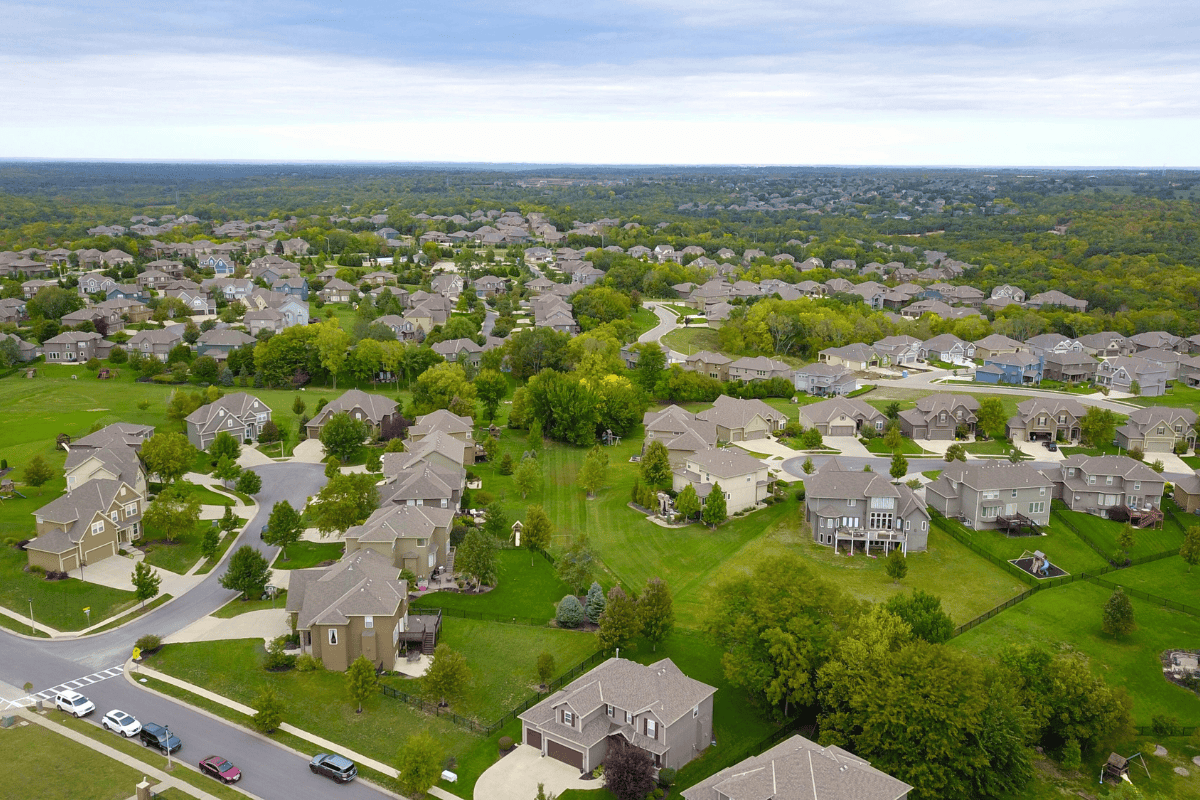
A public improvement district (PID) is a defined area created by a city or county where homeowners pay a special assessment to fund public improvements that benefit the neighborhood. Under Chapter 372 of the Texas Municipal Code, PIDs help communities add enhanced amenities and infrastructure without passing the costs on to the entire city.
Common improvements funded by PID include:
Decorative lighting Landscaping and irrigation Driveways and sidewalks Parks, green spaces, and trails Neighborhood entry monuments Drainage improvements Ongoing maintenance of common areas
These assessments are in addition to regular property taxes.
Example: What does PID evaluation look like?
To give you a better idea of how much PID fees actually cost, here is a simple real-world example.
Let’s say you buy a home worth $400,000. The PID rate in that area is 15 cents per $100 of value. The breakdown is as follows:
$400,000 divided by 100 = 4,000 units 4,000 × $0.15 = $600 per year
In this scenario, you would pay approximately $600 per year for a PID rating. This amount typically appears on your property tax bill, but is separate from your actual property tax rate.
How PID works in Texas
Once the PID is established:
The service and evaluation plan details improvements and costs. The city or county may issue bonds to cover upfront costs. Homeowners repay the cost over time through annual appraisals. The evaluation period typically takes 20 to 40 years. The fee may be a fixed amount or may be based on the valuation of the property.
Examples of PID-funded improvements
In Texas neighborhoods, PID funds can be used to:
Beautiful entrance features with masonry and lighting Central park with shaded pavilions Promenades, green areas and common areas Street lighting upgrades and sidewalk improvements Drainage and utility enhancements
These features often make communities feel more sophisticated and cohesive, but they come with long-term financial obligations.
Is PID only available in Texas?
Not at all. Texas is known for its widespread use of PIDs, and similar special assessment districts exist in the following areas:
Arizona Colorado California Florida New Mexico Nevada Utah North Carolina Georgia
Although the names and rules are different, the core idea is the same. That means property owners pay an additional assessed value to fund neighborhood-specific improvements.
Benefits of buying a home with PID
1. Improving the quality of infrastructure
PID helps fund enhanced improvements such as decorative lighting, wider sidewalks, and landscaping improvements.
2. Well-maintained common areas
The ratings are used for ongoing maintenance to keep the neighborhood clean, safe, and visually appealing.
3. Shorter development schedule
Bond financing allows developers to complete infrastructure faster and speed up the construction phase.
4. Attractive amenities
Parks, trails, and community amenities are often part of the package and provide daily value to residents.
5. Possibility of strong resale demand
Upgraded amenities and consistent maintenance often make these areas more attractive to prospective buyers.
Disadvantages of buying a house with PID
1. Increased long-term costs
PID assessments are added to annual housing costs and can last for decades.
2. Differences between districts
Appraised values and improvement plans vary widely depending on the region.
3. Possible impact on resale
Some buyers prefer to avoid special appraisals, but this can reduce the number of future buyers.
4. Complexity for new buyers
Understanding assessment schedules, payment options, and tax bill formats can be difficult.
PID vs. PUD vs. MUD: What’s the difference?
What is PUD?
A planned unit development (PUD) is a zoning and land use designation that allows for a combination of housing, amenities, and open space. According to Rocket Mortgage, many PUDs include shared facilities such as parks and recreational areas, which may involve an HOA. PUDs do not automatically include PID ratings.
What is MUD?
Urban utility districts (MUDs) provide critical services such as water, sewer, and drainage to areas not served by urban utilities. MUDs impose their own tax rates, which are often higher than standard property taxes.
Comparison table
Features PID PUD MUD Purpose Infrastructure and enhancements Planned neighborhood design Water, sewer, and drainage Costs Special assessments HOA dues (in most PUDs) MUD taxes Key benefits Improved amenities and maintenance Unified community layout Access to utilities City or county management Developer or HOA Elected MUD board
What home buyers should do before buying with PID
1. Read the PID Disclosure Notice
Texas requires sellers to provide a written notice outlining the appraisal and financial obligations.
2. Review your service and evaluation plan
This document describes:
Evaluation period Bond repayment schedule Planned improvements Whether lump sum repayment options exist
3. Understand how to request an evaluation
Most appear on your property tax bill, but some are billed separately. Check your payment schedule with your lender.
4. Ask what improvements have been completed compared to planned improvements.
You may pay for amenities that are not yet built.
5. Consider the impact of resale
A higher appraised value may reduce the number of buyers interested in your property.
How to tell if you are in a public improvement district
PID ratings can affect your budget, so it’s important to know if your home is within the PID range.
1. Check your property tax bill
Look for line items labeled “PID Assessment,” “Public Improvement District,” or district name.
2. Check financial documents
Texas requires PID disclosure, which must be included in the purchase agreement and closing documents.
3. Use city or county PID maps
Cities like Fort Worth, Dallas, McKinney, and Frisco have published interactive PID maps showing district boundaries and assessment rates.
4. Contact your city or county
Call your local planning department, PID administrator, or county tax office to find out if your address is within a PID.
5. Contact your real estate agent or title company.
An agent familiar with the Texas area can quickly confirm PID status and provide assessment details.
FAQ
Are PID assessments tax deductible?
These are not standard property taxes, but some may be deductible. Please consult your tax advisor for accurate advice.
How long does a PID evaluation last?
Most last between 20 and 40 years, or until the associated bonds and improvements are paid off.
Is it a good idea to buy PID?
It depends on your priorities. PIDs provide valuable amenities and maintenance improvements, but add long-term costs. Please check the details carefully before making a decision.
final thoughts
Public improvement districts are an important part of the growth and improvement of many Texas neighborhoods. For many buyers, enhanced amenities, attractive infrastructure, and long-term maintenance make PID communities especially attractive. However, these benefits come with additional evaluations that are worth paying close attention to.
By reviewing PID disclosures, reviewing city maps, and understanding what the rates support, you can make an informed and confident decision about whether a PID neighborhood is right for you.
