


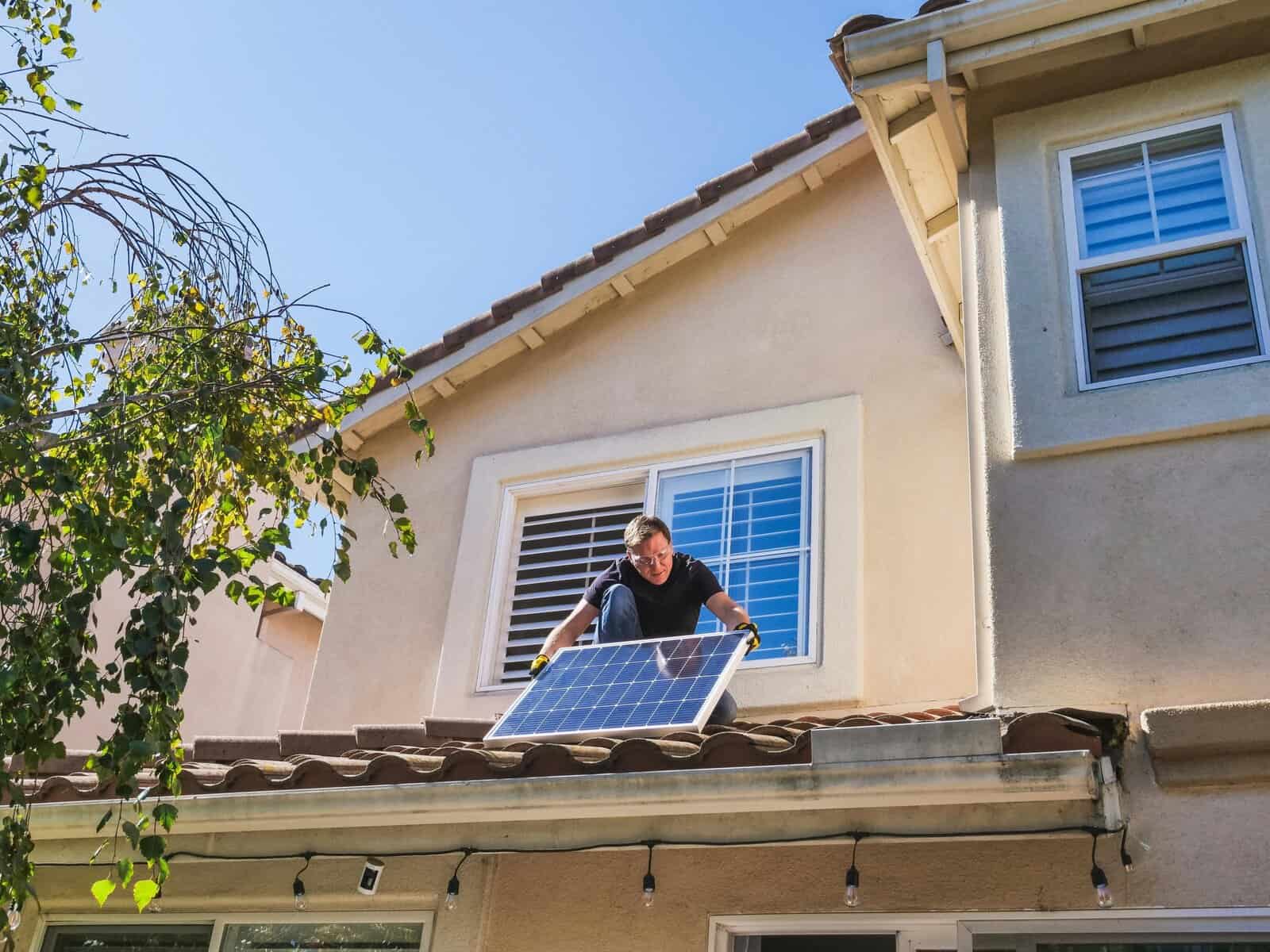
When we talk about sustainable housing today, what we really mean goes far beyond four walls and a roof. We are talking about homes that focus on the efficient use of energy, water conservation, waste reduction, the selection of environmentally friendly materials and the implementation of smart green technologies.
That’s exactly what sustainable housing is all about. Whether you’re buying your first home in San Jose, California, or interested in making your next location in Washington, DC more sustainable and responsible, you’ve come to the right place.
In this article:
What does sustainable housing actually mean?
Why sustainable housing matters
types of sustainable housing
Main features
sustainable housing practices
barrier
Programs and incentives
How to participate
What does sustainable housing actually mean?
Essentially, sustainable housing means designing, constructing, and operating homes that use fewer resources, reduce environmental impact, and create healthier living environments for people.
This is not a fancy buzzword. It’s about the choices we make: the materials used in our walls, how we use energy in our homes, how we manage water, and how our spaces support a lifestyle that reduces our carbon footprint on the planet.
Why is sustainable housing important?
For your wallet. Homes built with sustainability in mind typically use less energy and water. That leads to reductions in utility costs. For your health. High quality insulation, good ventilation and non-toxic materials create a healthier and more comfortable indoor environment. For your community: Sustainable homes and neighborhoods reduce pressure on local infrastructure, such as energy grids and water systems, creating more livable and resilient spaces. For the sake of the earth. Housing is a major source of energy use, carbon emissions, material consumption and waste. Choosing sustainable housing helps reduce your carbon footprint and supports a healthier planet for everyone.
types of sustainable housing
Sustainable housing comes in several forms, each aiming to reduce environmental impact and improve comfort.
A Passive House uses a highly insulated and airtight structure to maintain a constant indoor temperature using very little energy. Net-zero homes combine efficiency and renewable power to generate as much energy as they use. Solar powered homes rely on solar energy for most of their electricity needs. Homes built with sustainable materials use recycled, recycled, or low-carbon materials to reduce waste. Homes with smaller footprints use fewer resources for construction and daily life.
Key features of truly sustainable homes
Here are some core elements that set sustainable homes apart.
Energy efficiency: This may include superior insulation, high-performance windows, LED lighting, efficient heating and cooling systems, smart technology, or passive solar design. Renewable energy: solar panels, wind turbines in certain locations, and geothermal systems when feasible – generate at least some of your home’s energy without using fossil fuels. Water conservation: low-flow equipment, rainwater harvesting, gray water recycling, and landscape design that limits the need for watering. Sustainable materials: recycled or reclaimed materials, locally sourced wood or stone, low carbon content materials, non-toxic finishes. Healthy indoor environment: proper ventilation, natural light, controlled indoor air quality, and minimal exhaust gases. Smart design for long-term use: Flexible, durable, low-maintenance homes that can adapt to changing needs. Integration with community and place: Sustainable housing is about more than just the building itself, it’s about supporting resilient neighborhoods that are well connected to transport, services and nature.
>> Read: Sustainable Architecture: Designing a Green Home
what it actually looks like
Let’s look at a real scenario.
Imagine a housing development where every home is within walking distance of transit and shops, and is equipped with solar panels, green roofs, and rainwater irrigation. Inside, energy-efficient appliances, smart lighting and heating, and large windows make the home comfortable and healthy. Residents enjoy lower energy bills, a stronger connection to nature, and a vibrant, walkable community.
Now, let’s compare this with a typical house. Perhaps it has limited daylight, standard appliances, traditional landscaping, and few connections to public transport. Utility bills are high, and residents are missing out on the health, environmental, and community benefits of sustainable design. The difference is significant and shows why sustainable housing is not only better for the planet, but also better for everyday life.
Barriers to consider and how to overcome them
While sustainable housing is certainly appealing, there are some common hurdles.
Higher initial costs: Sustainable or “green” homes typically come at a 5-10% premium over conventional construction, but that higher initial cost can be offset. Green buildings use 30-50% less energy than traditional construction, resulting in substantial savings. In fact, ENERGY STAR certified homes typically save you about $447 a year in energy costs. Location and infrastructure constraints: Some properties are difficult or expensive to renovate, certain areas have zoning regulations or outdated utility systems that don’t yet support features like solar panels, rainwater harvesting, or EV charging. Maintenance and monitoring: Sustainable features work best when they are regularly maintained and used as intended. Without proper maintenance and attention to the way the system operates, your home may not provide the energy savings, comfort, and performance it was designed for.
The good news is that many of these barriers are changing. Incentive programs are available, builders and designers are gaining experience with green technologies, and the cost of sustainable technologies continues to fall. As more sustainable homes are built, their performance becomes easier to predict and replicate, making green living more accessible than ever.
Programs and incentives that support sustainable housing
There are many helpful programs that make sustainable choices easier and more affordable for homeowners. These initiatives vary by region, but most people have access to at least some of the options below.
Tax incentives for solar panels, efficient HVAC systems, and high-performance windows. Utility bill rebates on efficient appliances, insulation upgrades, smart thermostats, and water-saving appliances. Low-interest loans or grants that cover the cost of energy-efficient home improvements. A net metering program that gives homeowners credits for excess solar energy. A home energy audit that identifies simple, cost-saving efficiency upgrades. Green building programs such as ENERGY STAR, LEED, and Passive House that improve home performance and long-term value.
How to participate
Whether you’re building a new home, buying one, or simply upgrading your current space, there are several things you can do to make your home more sustainable.
Ask your builder or developer about energy efficiency ratings, renewable energy options, water-saving features, and sustainable materials. If you already live in your home, start by upgrading something. Things like high-efficiency lighting and appliances, sealing and insulating your home, and installing smart thermostats. Monitor energy and water usage. Knowing what you currently use will give you a baseline from which you can measure your improvements. Check out financial incentives in your area. Many governments, utilities, and even local organizations offer rebates, tax credits, or loans for sustainable home upgrades. Let’s consider the big picture. Location is important. Homes with good transportation, walkability, and access to local services often have greater benefits than a single environmentally friendly mechanical component.
live for a better tomorrow
Sustainable housing is no longer a luxury reserved for a niche market. Comfortable, efficient, healthy, and earth-friendly homes are quickly becoming the new norm. You can be a part of that change by understanding the core capabilities, recognizing the benefits, and taking steps, big and small. Your home can be more than just a place to live. It can be a contribution to a future where we all thrive together.
