


The Federal Reserve is poised to cut interest rates for the third time in a row on Wednesday, while also warning of what’s to come.
After a period of significant uncertainty over which direction central bank policymakers would lean, markets settled on a quarter-point cut. That would lower the Fed’s key interest rate to a range of 3.5% to 3.75%.
However, there are complications.
The Federal Open Market Committee, which sets interest rates, is divided between members who support rate cuts as a way to prevent a further slump in the labor market and those who believe easing has gone far enough and risks worsening inflation.
This is why the term “hawkish cuts” became a topic of conversation at this conference. In market parlance, it refers to the Fed sending a message that although it cuts rates, no one should hold their breath for the next rate cut.
“The most likely outcome would be a hawkish rate cut, but the statement and press conference suggest that the rate cut may be completed for some time,” said Bill English, a former Fed director and current professor at Yale University.
English is hoping for a message that “they’re making adjustments, they’re comfortable where they are, and as long as things go more or less the way they expected, they don’t think they need to do anything more in the short term.”
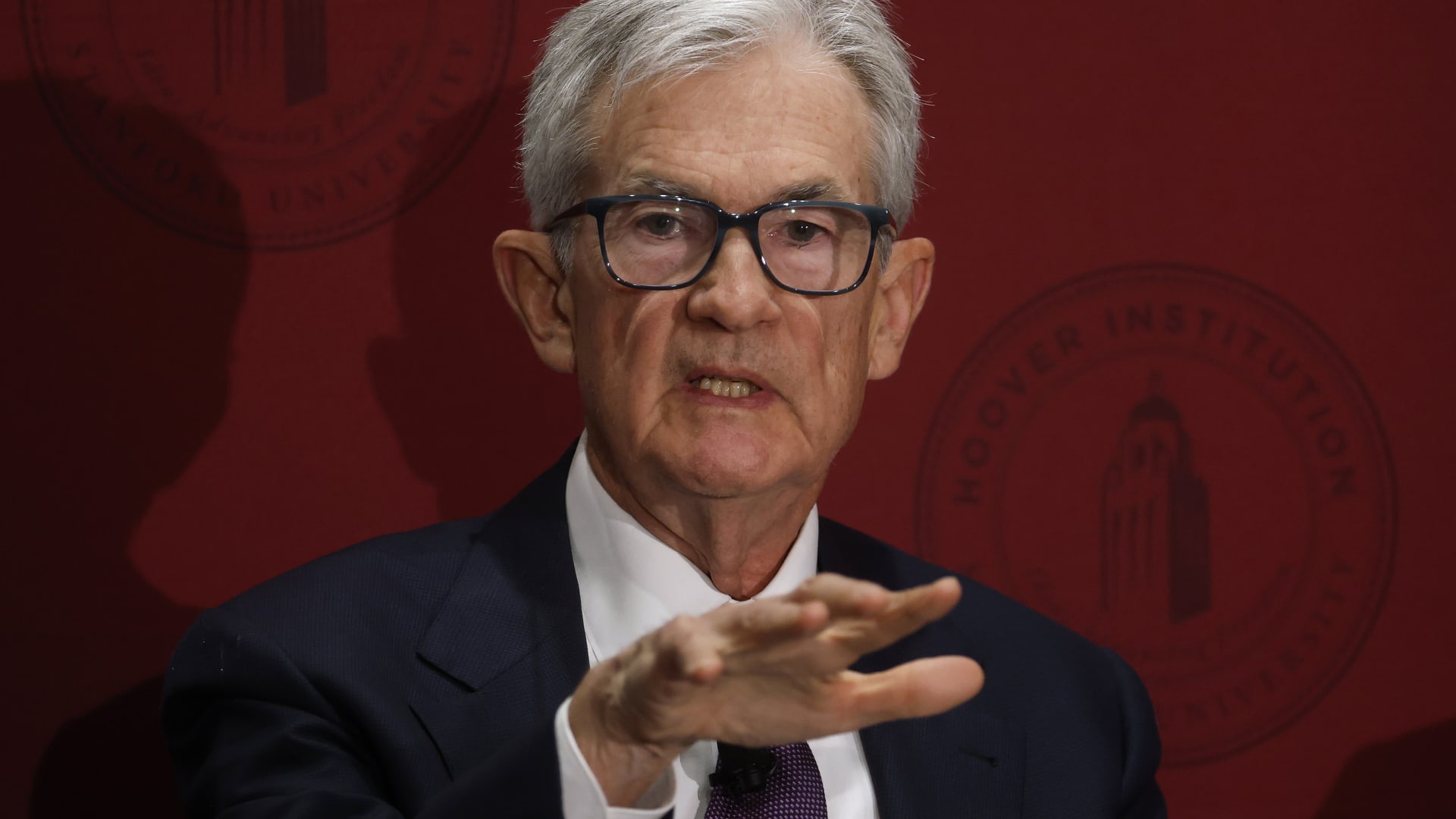
Where the full committee falls will be announced in a post-meeting statement and Chairman Jerome Powell’s press conference. Wall Street economic commentators are expecting a revised statement reminiscent of a year ago, with language on the “scope and timing of further adjustments” that Goldman Sachs expects to reflect “a slightly higher bar for further rate cuts.”
In addition to interest rate decisions and statements, investors will be watching for updates to the “dot plot” of individual officials’ interest rate forecasts. With changes in gross domestic product, unemployment, inflation expectations and possible updates to the Fed’s intent to purchase assets, some expect the committee to pivot from halting outflows to repurchasing maturities.
Many moving parts
Goldman economist David Mericle said in a note that Powell’s tone at the press conference “will likely convey that the bar has been raised, and he will restate the views of those who opposed the rate cut.”
Regarding this opposition: At the October meeting, two people, one from each side of the interest rate debate, voted “no” to the final statement. Mericle said it was likely to happen again, with several other “soft opponents” expressing differing views on the “dot plot”, which anonymously shows the interest rate outlook of each of the 19 meeting participants (a group of 12 voters).
Mericle added that there was “solid evidence” for a third cut, but there were arguments to be made on both sides.
“It’s a tough meeting, so there will probably be some opposition,” English said. “It’s often difficult to get committees together. There are people who have very different views on how the economy works, how policy works, and so on. But these are particularly difficult times for the economy.”
Despite a lack of official government data since the shutdown subsided, employment has shown signs of flattening and there are sporadic signs that layoffs are accelerating. Tuesday’s Bureau of Labor Statistics report showed job openings were little changed in October, but employment fell by 218,000 and layoffs rose by 73,000.
On the inflation front, the latest reading of the Fed’s recommended index showed the annual rate was 2.8% in September, slightly below Wall Street expectations but still well above the central bank’s 2% target.
inflation concerns
Despite President Donald Trump’s protests that inflation has disappeared, inflation has remained stable at best and above the Fed’s target at worst, in part because of the tariffs implemented on his watch. While most Fed officials say they expect the tariffs to temporarily boost prices, the disconnect between current levels and the central bank’s goals is enough to give some economists and policymakers pause.
“Inflation is not back to 2%, so if we’re going to put any downward pressure on inflation, we’re going to have to keep policy somewhat restrictive,” former Cleveland President Loretta Mester told CNBC on Tuesday. “Inflation is currently well above target, but it’s not all due to tariffs.”
Still, Mester believes the FOMC will approve another rate cut on Wednesday.
Mester, like other market participants, viewed New York Fed President John Williams’ Nov. 21 speech as a “very clear” and pivotal sign that further rate cuts were coming. Before that, the market had been betting on a rate cut, especially after Mr. Powell made it clear in an October press conference that a December rate cut was “not a foregone conclusion. We’re far from it.”
“I think they’ll get through the final cuts,” Mester said. “I hope they can signal that the economy is in a good place with policy and that they are going to slow down the pace of rate cuts, because I am more concerned about inflation risk and persistence.”
Apart from questions on interest rates and updates to the dot plot, the committee may suggest next steps regarding balance sheet management.
In October, the committee signaled that it intended to halt the process of “quantitative tightening,” or allowing the roll-off of maturing debt financings. With continued pressure in the overnight funding market, some market participants expect the Fed to announce a resumption of bond purchases, although not at a pace that would suggest quantitative easing or its opposite.
