


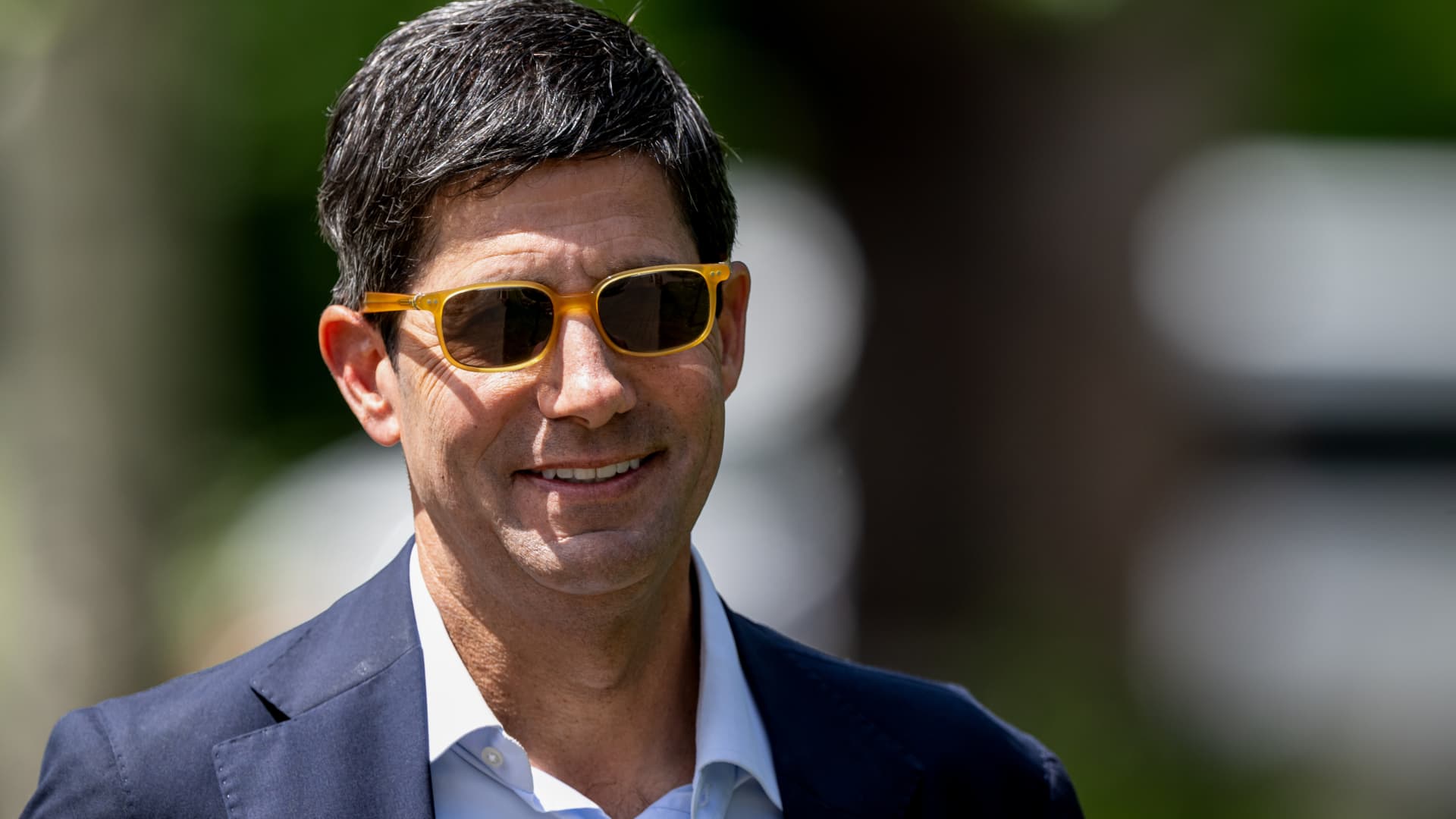
Financial markets have largely accepted President Donald Trump’s choice of Kevin Warsh to be the next Fed chair, a sign that investors view him as a reliable steward of monetary policy despite expectations that he may push to lower interest rates. U.S. Treasury yields were little changed on Friday, shortly after the announcement, indicating investors see little risk to inflation or the Fed’s independence. The dollar edged higher against its major peers, but stock futures pared earlier losses, suggesting relief that Trump’s nomination was seen as a stable pawn rather than a political pawn. Gold and silver prices plunged as Warsh is expected to allay concerns about a “depreciation” in the US currency that is driving foreign investors into the metal. “We believe he has a powerful combination of deep expertise, broad experience, and sharp communication skills,” Mohamed El-Erian, chief economic adviser at Allianz, said in a post on X. “His commitment to reforming and modernizing the Fed bodes well to enhance policy effectiveness and protect the Fed’s political independence.” Mr. Warsh’s nomination is widely seen as lifting a cloud over stock prices over the Fed’s independence and threatening to raise interest rates. With that risk receding, investors can refocus on corporate profits and economic fundamentals, rather than political intervention at central banks. Mr. Warsh, who worked at the central bank from 2006 to 2011, was an outspoken critic of quantitative easing during and after the financial crisis, a stance that strengthened his standing among investors wary of inflation and fiscal dominance. “I believe Kevin Warsh is the perfect choice to be Fed Chairman. As a longtime critic of the Fed’s easy monetary policy, both on interest rates and the balance sheet, I have always appreciated Warsh’s hawkish stance and disregard for QE,” Peter Boockvar, chief investment officer at One Point BFG Wealth Partners, said in a note. Since Jerome Powell was confirmed in 2018 during Trump’s first term, the president has repeatedly pressed the Fed to cut rates more aggressively. After cutting interest rates three times in the second half of 2025, President Trump continued to push for policy easing, while criticizing Powell over cost overruns related to the central bank’s headquarters renovation in Washington. “While he has been somewhat critical of Chairman Jerome Powell for cutting rates too slowly, I think he understands the importance of the Fed’s independence,” said Jay Woods, chief market strategist at Freedom Capital Markets. “Related to that theme of independence, there will be questions about his views and how they align with President Trump’s more aggressive views on rate cuts.” Still, not everyone is convinced the market calm will last. Chris Rupkey, chief economist at Forward Bonds, warned that markets may be underestimating how closely Warsh could ultimately work with the White House. “Slowly but surely, he will move toward a president who favors a dramatic rate cut of at least 1 to 2 percentage points below the neutral 3%,” Rapkey said in the memo. “Mr. Warsh would not have gotten the job if he had not promised the president that he would follow Trump 2.0 economic policies.” @GC.1 1Y Mountain Gold Futures 1 Year When it comes to precious metals, this change is raising the prospect that a crowded trade could finally run out of air. Spot silver fell 10.6% to settle at around $103.81 per ounce. In the early morning hours, metal prices plummeted by as much as 16%, falling below the milestone of $100. Spot gold fell about 5.7% to trade at $5,136.27 per ounce. The previously safe-haven metal was down as much as 7%. “Warsh’s appointment should provide some stability to the dollar and reduce (though not eliminate) the asymmetric risk of a prolonged deep dollar weakness by challenging discount trades, which is also the reason for the sharp decline in gold and silver,” Evercore ISI’s Krishna Guha said in a note.
