


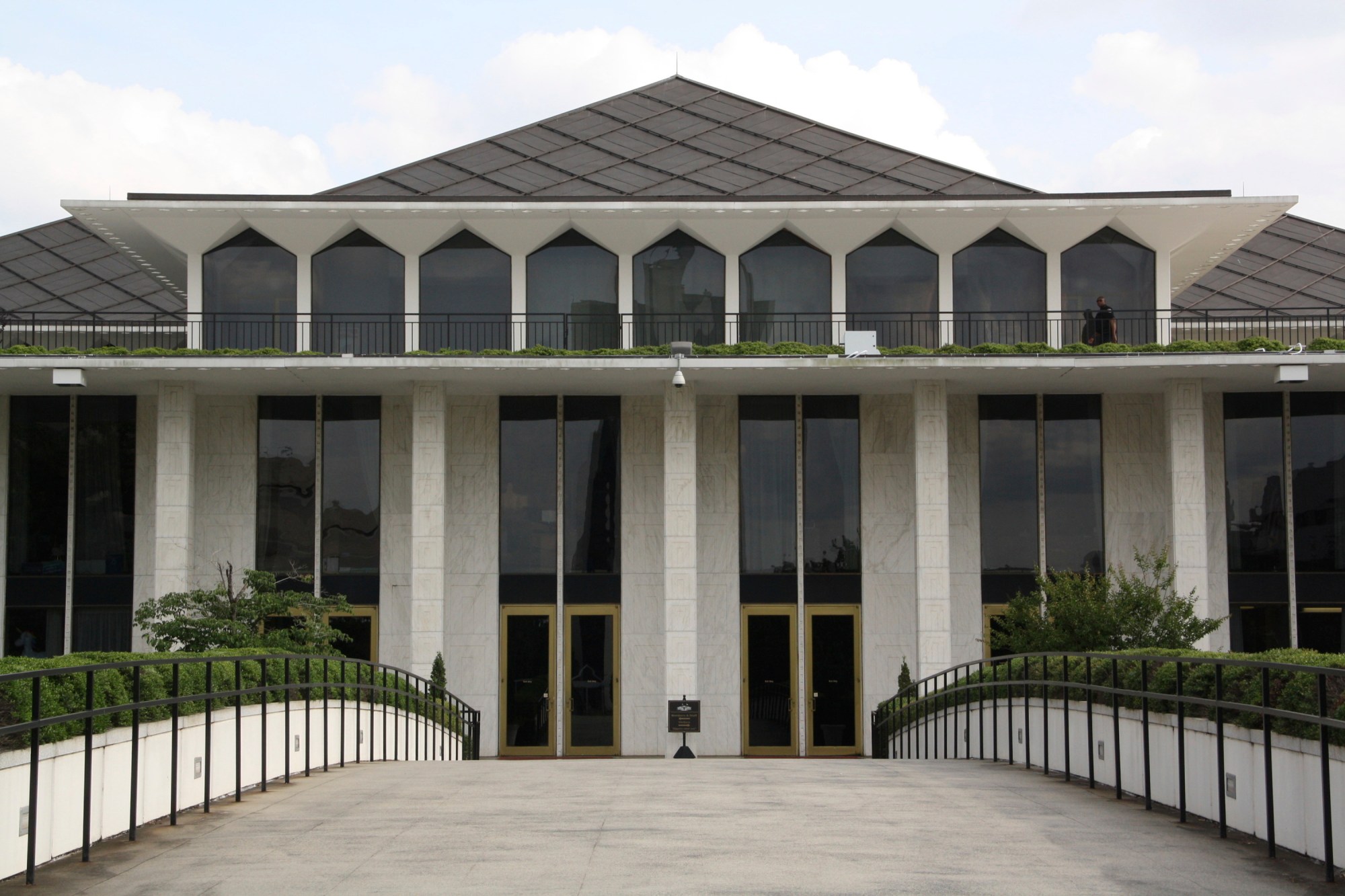
North Carolina voters chose a Democrat for governor in three consecutive gubernatorial elections. The Republican-led state Legislature responded by siphoning away some of the powers traditionally associated with the job.
Democrats say these power grabs have serious implications for both the state’s democracy and the daily lives of North Carolinians.
North Carolina Governor Josh Stein said in a text message in response to questions from ProPublica that the changes “weaken environmental protections, raise energy costs and politicize election administration.”
Republican leaders in the General Assembly did not respond to requests for comment or emailed questions about the transition of power. In the past, they have defended these measures as reflecting the will of voters, with the Senate president explaining that one of the key pieces of legislation would balance “appointment powers between the legislative and executive branches.”
Former state Sen. Bob Lucho, a Republican who was elected to the state elections board after lawmakers shifted control from Mr. Stein to the Republican state auditor, said the change would solve problems posed by Democrats.
“Republicans are very proud of what they’ve accomplished so far,” Lucho said. He argued that shifting power to the election commission would “restore some level of trust in the electoral process” that the Democratic Party had lost.
ProPublica recently chronicled a nearly decade-long effort to take over the board that sets the rules and resolves election disputes in the closely divided battleground state. Decisions by the board’s new leadership, particularly regarding the location and number of early voting locations, could affect the outcome of the 2026 midterm elections.
Below, we examine how other power transfers pushed by North Carolina’s Republican legislature are reshaping everything from regulations protecting residents’ drinking water to the electricity bills they pay to the culture of the state’s university system.
How North Carolina’s governor has weakened over the past decade
ProPublica tracked 29 executive powers and privileges traditionally held by North Carolina’s governor and other Democrats that have been targeted by the Republican-controlled Legislature since late 2016. Many of them were stripped away, leaving the governor in one of the most vulnerable positions in the nation.
2016
Democratic or divided control of:
1. Transportation Committee
2. Building Standards Council
3. Coastal Resources Commission
4. Public Health Committee
5. Economic Investment Committee
6. Environmental Management Committee
7. Industrial Committee
8. State Community College Board and Community College Board of Trustees
9. Some aspects of K-12 education
10. Part of the special seats of the Superior Court
11. State Election Commission
12. State Highway Patrol
13. UNC University Board of Trustees
14. Public Works Commission
15. Wildlife Resources Commission
Democratic forces:
16. Power of the Attorney General to oppose Congress.
17. Power of Governor to Appoint Judicial Vacancies
18. Governor’s Authority to Direct Federal Block Grants
19. Governor’s Power to Hire and Fire More than 1,000 Political Appointees
20. Authority of the Lieutenant Governor over the Chairman of the Energy Emergency Management Committee
21. Power of Democratic Officials to Oversee Charter Schools
22. Power of the Governor to self-select Cabinet appointments without approval of the Legislature.
23. Authority over residential building standards
What Republicans control:
1. Childcare Committee
2. Clean Water Management Trust Fund Board
3. Parks and Recreation Department
4.Civil Protective Services Board
5. Local Infrastructure Authority
6. State Building Commission
Republican forces:
2025
Democratic or divided control of:
1. Transportation Committee
2. Childcare Committee
3. Clean Water Management Trust Fund Board
4. Public Health Committee
5. Economic Investment Committee
6. Industrial Committee
7. Parks and Recreation Department
8.Civil Protective Services Board
9. Local Infrastructure Authority
10. State Building Commission
Democratic forces:
11. Power of Governor to Appoint Judicial Vacancies
12. Governor’s power to hire and fire more than 1,000 political appointees
Increased Republican control of:
1. Building Standards Council
2. Coastal Resources Commission
3. Environmental Management Committee
4. State Community College Board and Community College Board of Trustees
5. Housing Law Council
6. Some aspects of K-12 education
7. Part of the special seats of the High Court
8. State Election Commission
9. State Highway Patrol
10. UNC University Board of Trustees
11. Public Works Commission
12. Wildlife Resources Commission
Republican forces:
13. The Attorney General has no power to oppose Congress.
14. Authority to Direct Federal Block Grants
15. The Lieutenant Governor does not have the authority to chair the Energy Emergency Management Committee.
16. Democratic officials reduced their authority to oversee charter schools.
17. The Legislature has veto power over the governor’s cabinet appointments.
Note: Data covers December 2016 to December 2025. Source: ProPublica review of North Carolina law and litigation. Expert interviews. Chris Alcantara/ProPublica
environmental management committee
Overview: The Environmental Control Commission adopts rules to protect the state’s air and water, including regulating industries that discharge carcinogenic chemicals into rivers.
Devolution: In October 2023, Republican lawmakers passed legislation that would transfer the authority to appoint a majority of the commission’s members from the governor to the state Agriculture Commissioner, who is a Republican.
What happened next: A new Republican-led commission blocked several efforts by the state Department of Environmental Quality to regulate 1,4-dioxane, a potentially harmful chemical in drinking water.
Business advocates, including the North Carolina Chamber of Commerce, had criticized some of the regulations and called on the commission to intervene. “Clean water is worth the cost, but regulators should not arbitrarily set low levels just because they are low,” the chamber said in a press release.
The Southern Environmental Law Center, which has been pressuring states to regulate the chemical, said the commission’s ruling “paralyzes states’ ability to protect waterways, drinking water sources, and communities from harmful pollution.”
public works commission
Overview: The North Carolina Public Utilities Commission regulates rates and services for the state’s public utilities, including providers of electricity, natural gas, water, and telephone service. The commission also oversees moving companies, brokers, ferry boats and wastewater.
Transfer of Authority: In June 2025, the trial court sided with the General Assembly, allowing a law passed in 2024 to take effect, stripping the governor of his authority to appoint a majority of commission members and transferring that authority to legislative leaders and the state Treasurer, a Republican.
What’s happened since then: Duke Energy, the state’s main power company, has reversed some plans to rely more on clean energy and retire coal-fired power plants. The company announced in November that it would seek approval from the commission to raise interest rates by 15%.
In response to the company’s new resource plan submitted in October, the executive director of the climate and environmental justice nonprofit NC WARN said in a statement that Duke’s actions will “double and triple our electricity bills over time” and increase carbon emissions. The state’s governor and attorney general, both Democrats, have said they oppose raising rates.
Duke Energy spokesman Garrett Poorman said the company is “focused on keeping costs as low as possible while meeting growing energy demands across our operations” and recently lowered its expected costs.
The committee will decide whether to approve the proposed rate hike in 2026.
University of North Carolina System
Overview: The University of North Carolina System includes 17 institutions and more than 250,000 students, including the University of North Carolina at Chapel Hill, considered one of the nation’s best universities.
Devolution: Although the legislature has traditionally appointed the majority of individual school directors, the governor also shared some of these appointments.
In 2016, the Legislature passed a law eliminating the governor’s authority to appoint university trustees.
In 2023, changes included in the state budget give the Legislature the power to appoint all members of the state board that oversees community colleges and most of those colleges’ directors. The governor had previously selected some of the directors and councilors.
What happened next: The system created a center for conservative thought, scrapped racial equity initiatives, suspended left-leaning professors, dismantled a civil rights center led by a professor who had long criticized Republicans, and appointed politically connected Republicans to its board.
Republicans say the moves are reversing the establishment’s long-term shift to the left.
“Ultimately, the board will be around for a while, the administrators will change, and then they’ll start to moderate the school culture at UNC,” said David Lewis, a former Republican congressman who helped push for change at the university system.
Democrats, including former Gov. Roy Cooper, have criticized the board changes as partisan interference.
“These actions will ultimately harm our state’s economy and reputation,” Cooper said in a 2023 press release.
