


Enhance your manufacturing training with LMS capabilities
In the fast-paced manufacturing industry, efficient employee training is the key to operational excellence and safety. A robust learning management system (LMS) transforms the training process, making it more accessible, impactful, and scalable. If you’re a training manager, HR director, or factory manager, choosing an LMS with the right features will increase productivity, reduce errors, and ensure compliance. This guide describes key LMS features customized for manufacturing, their benefits, and real-world success stories.
Essential LMS features for manufacturing employee training
1. Customizable learning paths for role-based training
From machine operators to safety personnel, each manufacturing role has unique training requirements. With an LMS with customizable learning paths, you can:
Tailor training modules based on job role and skills. Track progress and ensure compliance with industry standards. Streamline new employee onboarding. case study
Braskem Corporation, a multinational manufacturer, was faced with the challenge of maintaining consistent training standards in different countries with different regulatory requirements. By implementing GyrusAim LMS, we centralized training management, provided multilingual support, and customized learning paths for specific roles and regulations. This has increased compliance rates and strengthened employee engagement around the world.
2. Access to devices in the factory for training work flow
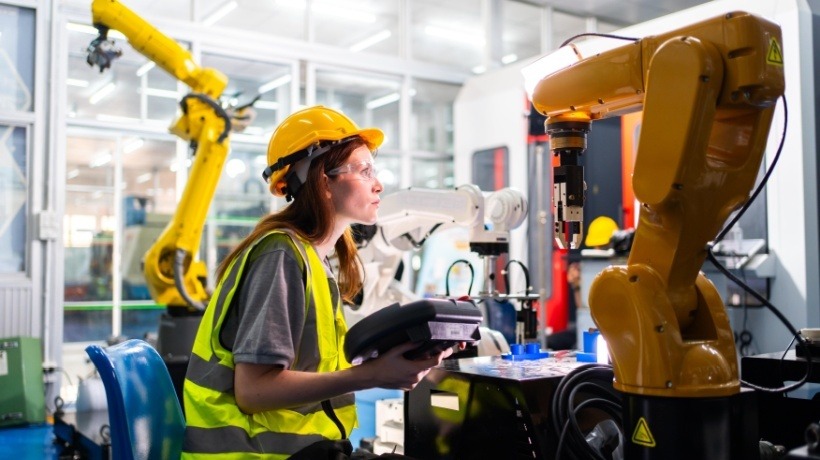
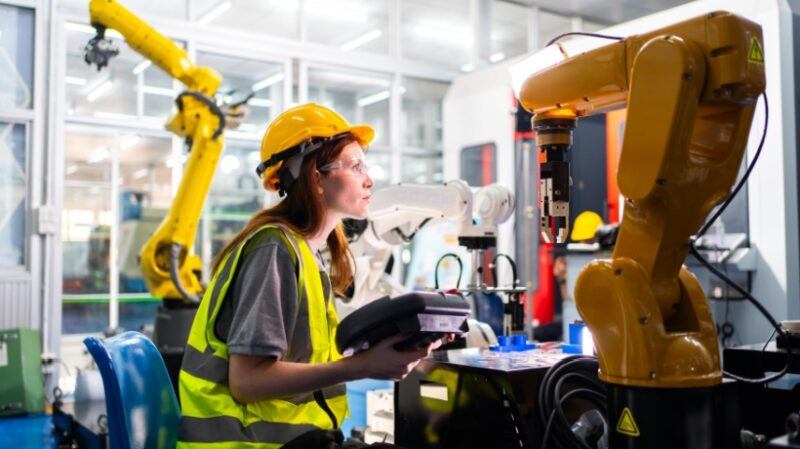
Manufacturing companies are increasingly moving away from traditional in-person training sessions conducted by managers to a more efficient LMS support model. With its responsive design, the LMS platform can be accessed from desktop computers, tablets, and handheld devices strategically placed throughout the plant. This allows workers to:
Access training materials and instructions directly from your workstation or machine. Complete compliance or safety training as part of your workflow. Stay up to date on new protocols and equipment without having to participate in lengthy in-person sessions. sample application
In precision manufacturing environments, LMSs with accessibility to handheld devices can replace traditional manager-led classroom training. By deploying devices at workstations, employees now have direct access to quick training modules on tasks such as machine calibration during their workflow. This approach can enhance on-the-job learning, streamline processes, reduce errors, and ultimately improve overall task efficiency and operational efficiency.
3. AR/VR simulation for hands-on technical training
Although LMS platforms do not create AR/VR content, they play a key role in launching these immersive simulations and tracking learner outcomes. By integrating AR/VR content developed using specialized tools into your LMS, you can:
Intensive technical training on equipment. A hazard-free environment to practice safety protocols. Accurately track learner performance and simulation results. case study
Toyota has successfully integrated AR technology to streamline its production process. Toyota significantly improved employee efficiency by providing real-time gaze direction guidance to assembly line workers through an AR solution. This approach reduces the need for mental mapping from 2D instructions and allows workers to perform tasks more efficiently. Additionally, immersive guidance minimizes errors and physical strain during assembly operations, contributing to a safer working environment. [1]
4. Integration with ERP and other manufacturing systems
Seamless integration with enterprise resource planning (ERP) systems improves employee efficiency by:
Synchronize your training schedule with your production timeline. Track certifications and ensure compliance audits. Automate training ROI and performance metrics reporting. sample application
In a steel production environment, integrating an LMS with an ERP system can streamline training for heavy equipment certification. For example, an LMS can automatically schedule required certifications based on an employee’s role and sync completion records with an ERP system. This integration ensures that only authorized operators are assigned to specific machines, reducing the risk of operational delays. Additionally, training schedules can be aligned to production timelines, minimizing downtime while maintaining compliance and employee readiness.
5. Multi-site training management and multilingual support
Manufacturers with multiple locations face unique challenges in maintaining consistent training standards. An LMS platform with multisite capabilities and multilingual support can help you:
Centralize training management across your facility. Give your global teams access to localized content in their preferred language. Easily meet various compliance requirements. sample application
Consumer electronics manufacturers with operations across Europe can leverage an LMS with multilingual support to train employees in multiple languages. By providing localized training content tailored to local needs, the company was able to ensure that employees understood critical steps and procedures. This approach can improve consistency in training delivery, reduce the potential for errors caused by language barriers, and accelerate onboarding of new employees in different regions.
Benefits of implementing LMS functionality in manufacturing
1. Strengthening safety standards
AR/VR simulation and responsive LMS design help reduce workplace accidents by helping employees learn safety protocols before stepping foot on the production floor.
2. Reduce defects and increase ROI
Manufacturers using advanced LMS features report:
Manufacturing defects are reduced by up to 20-25%. Depending on the scale and type of training conducted, employee efficiency can be increased by 20-30%. 3. Scalable human resources development
Customizable learning paths and multilingual support enable your global team to deliver consistent, high-quality training.
conclusion
Investing in a customized LMS for manufacturing can revolutionize employee training and ensure operational excellence, safety, and compliance. By leveraging features such as AR/VR simulation, in-factory device access, and ERP integration, training managers, HR directors, and factory managers can drive measurable results.
reference:
[1] Case study: Toyota streamlines production with AR
read more:
Gyrus Aim
The GyrusAim product suite is designed to fully manage corporate learning and development programs, from 100 learners to multi-location corporate organizations with complex training needs.
