


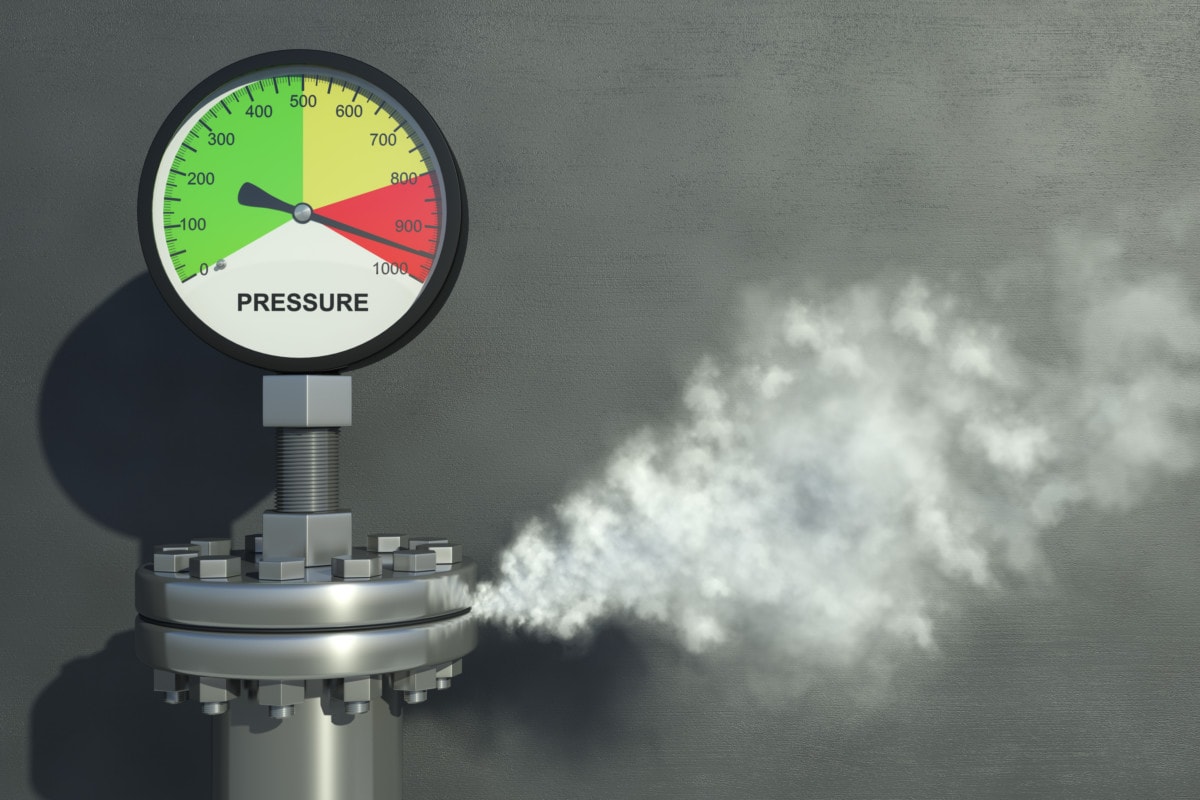
Natural gas is most commonly used in stoves and water heaters in households across the United States. They are popular, energy efficient chemicals that help reduce your carbon footprint and increase the value of your home. In fact, homes with gas hookups tend to sell more than people who don’t.
Natural gas is generally safe when properly used and maintained, but can cause leaks and pose serious health and safety risks. Other gases can cause problems, such as propane, radon, and refrigerant. Furthermore, natural gas combustion produces carbon monoxide (CO). This can be fatal in enclosed spaces.
Household gas leaks are also becoming more and more common. A 2018 survey found that US fire departments handle an average of 125,000 gas leaks per year. This is an increase of 25% compared to 2007.
Due to the danger, everyone should be aware of gas leaks, regardless of their living conditions. Whether you’re a homeowner living in Boston, Massachusetts, or a new tenant in San Antonio, Texas, read on to learn how to detect gas leaks in your home.
How to detect gas leaks
Gas leaks are dangerous due to fire, exposure or explosion risk. Also, carbon monoxide (CO) is not caused by leaks, but can build up quietly if the gas appliance is not ventilated or properly maintained. It is essential to identify signs of gas leaks to prevent potential harm to yourself, your family and your property. Here’s a quick checklist for you.
Rotten egg gas leak detector stenching hissing sound outside bubbles outside notification death or dying plant tracking gas usage monitor physical symptoms
1. Install the gas leak detector
If you don’t already have one, install a gas leak detector near your bedroom and in your home utility room. These devices are designed to detect the presence of flammable gases such as methane and propane and alert them before concentrations reach dangerous levels.
You can also purchase a portable gas leak detector that you can get on the go. These are pretty cheap and very accurate.
If you are using the homemade method, you can mix 1 teaspoon of soap into one glass of water and pour it over the suspicious gas leak to see if bubbles appear. However, this is the last resort that should not replace gas leak detectors.
Importantly, the gas leak detector does not scan for carbon monoxide. To do this, an independent carbon monoxide detector is required. Installing both types of detectors improves safety by warning of multiple hazards. Gas leak detectors alert you to the buildup of flammable gases, while CO detectors alert you to dangerous levels of carbon monoxide.
2. The smell of rotten eggs
Natural gas is odorless in its natural state. To detect leaks, utility companies add harmless chemicals called mercaptans that smell like rotten eggs or sulfur. If you want to detect this odor indoors, evacuate immediately and contact your gas company or 911.
It is important to note that carbon monoxide is odorless, tasteless and colorless.
3. Listen to the hiss
Large gas leaks in pipes and electrical appliances can produce hissing and mouth s. Check your appliance once a month for unusual noise.
4. Find bubbles outside the house
Gas generally enters the house through underground pipes and attaches to the local gas mains under the road. If there is a leak underneath the surface, you may see it foaming with puddles or soil that appear to move. These are signs that gas can escape underground pipes and displace air and water.
5. Beware of dead or dying plants
Natural gas leaks can suffocate the roots of plants by replacing oxygen in the soil. This can lead to wiltness, yellow leaves, stunting, or unexplained plant death, especially near buried lines or gas meters. Monitor outdoor vegetation regularly near these areas.
6. Track gas usage
Gas leaks are very minor and may not be detected for several months. In these cases, it is important to be careful about gas use. Checking your monthly utility invoices and comparing them to the past few months or neighborhood averages will help you determine if there are leaks.
7. Monitor physical symptoms
Exposure to leaking gases or their by-products, especially carbon monoxide, is extremely dangerous. Checking physical symptoms never replaces detectors or regular maintenance, but it is important to be aware of potential exposure signs.
Symptoms of exposure include headache, dizziness, fatigue, weakness, nausea and irregular breathing. In severe cases, prolonged exposure to carbon monoxide can lead to memory loss, coma and death. If you are experiencing symptoms of gas exposure, call a specialist or 911 and seek medical care as soon as possible.
Would you like to renovate your home?
Find the value of your home, edit the facts, and see the impact of your home project.
People seeking gas leaks
If you think there is a gas leak, turn off the electricity and call a professional plumber, emergency utility maintenance, or 911. Most municipal gas companies have a 24-hour emergency line. If you think there is a gas leak, do not use a landline phone. They can cause sparks, but this is extremely dangerous.
Do not attempt to pinpoint the exact location of the gas leak. Leave it to a trained professional. Exposure to carbon monoxide and methane is dangerous and can lead to explosions, physical symptoms, and damage to property.
What causes the gas leak?
Gas leaks can lead to fires, explosions and health issues. For this reason, it is important to understand how gas pipes and electrical appliances begin to leak. This will prevent leaks in your home. Here are five most common causes:
1. Fitting and connection issues
Fittings are pipes, valves and meters used to transport natural gas from your local gas main to your home. A connection is the point where you connect different fittings. Uninstalled fittings and connections are common, and even skillfully mounted fittings can cause leaks over time.
2. Corrosion or damage to gas pipes
Gas pipes can develop corrosion over time and leakage can occur. This is a common cause of leaks, especially in older homes and infrastructure. In fact, corrosion was the main cause of gas leaks in the United States from 2009 to 2018.
3. Appliance maintenance and installation poorly
If the appliance is not installed properly and is not maintained, gas may leak. Common issues include damaged or worn gas hoses, burners, and poorly equipped seals.
4. Appliance malfunction
Even new appliances can malfunction when used regularly. If malfunction affects the normal flow or combustion of natural gas, there is a leak.
5. Natural disasters or external damage
Weather, construction work and other physical damage can all cause gas leaks. For example, an earthquake could cause gas sources to burst, and excavation operations could accidentally hit a gas pipe in the house. If your home has been recently affected by a natural disaster, checking for gas leaks should be at the top of your list.
Refrigerant leakage
Be careful of electrical appliances that use refrigerant. Refrigerants generally contain gases such as freon and isobutane, both of which are harmful. If the refrigerator, A/C unit, or another cooling device suddenly stops working, shut it down immediately and check for leaks. Many standard gas leak detectors also detect refrigerant, but make sure you get it.
Additionally, do not attempt to modify the appliance. Many states prohibit non-experts from dealing with refrigerants due to dangerous properties. If you detect a refrigerant leak, call a professional immediately.
How to prevent gas leaks
Preventing leaks is the forefront of defense in every home. It may take some time, but maintaining a healthy home is important. Here are some ways to stop a gas leak before it starts.
Make sure the gas pipes have been installed by experts. Improper installation is the main cause of gas leaks in the US when installing new appliances or upgrading older systems. Hire a qualified master plumber. Maintaining Fittings and Home Appliances: Gas pipes and appliances will wear over time. You can check the appliance yourself, but it’s best to schedule annual gas maintenance with the Master Plumber. Upgrade Appliances: Older appliances can break and leak easily. It is also less efficient to maintain and more expensive. Upgrading your stove, water heater, or dryer can reduce the risk of gas leaks. Switching to electricity: The most effective and permanent way to prevent gas leaks is to phase out the gas from your home. Consider switching to all appliances and installing solar panels to ease your higher electricity bills.
Want to save money on your mortgage?
Refinance now to reduce your monthly payments.
Final Thoughts on Gas Leak Detection
Detecting gas leaks is important to maintain a safe and healthy home. Natural gas is an efficient and growing energy source, but its drawbacks include dangerous leaks, environmental concerns, and indoor air quality issues.
To detect and prevent gas leaks, be sure to install a gas leak detector and a carbon monoxide detector to improve safety. Make sure your pipes, fittings and appliances are installed correctly and hire a professional for annual inspections. If you detect a leak, turn off the lights, leave the house and call your local gas company or 911. If you want to eliminate the risk of gas leaks, consider switching to appliances and eliminating gas from your home.
If you detect signs of a gas leak in your home or think it is exposed, contact your local utility provider or call 911 immediately.
