


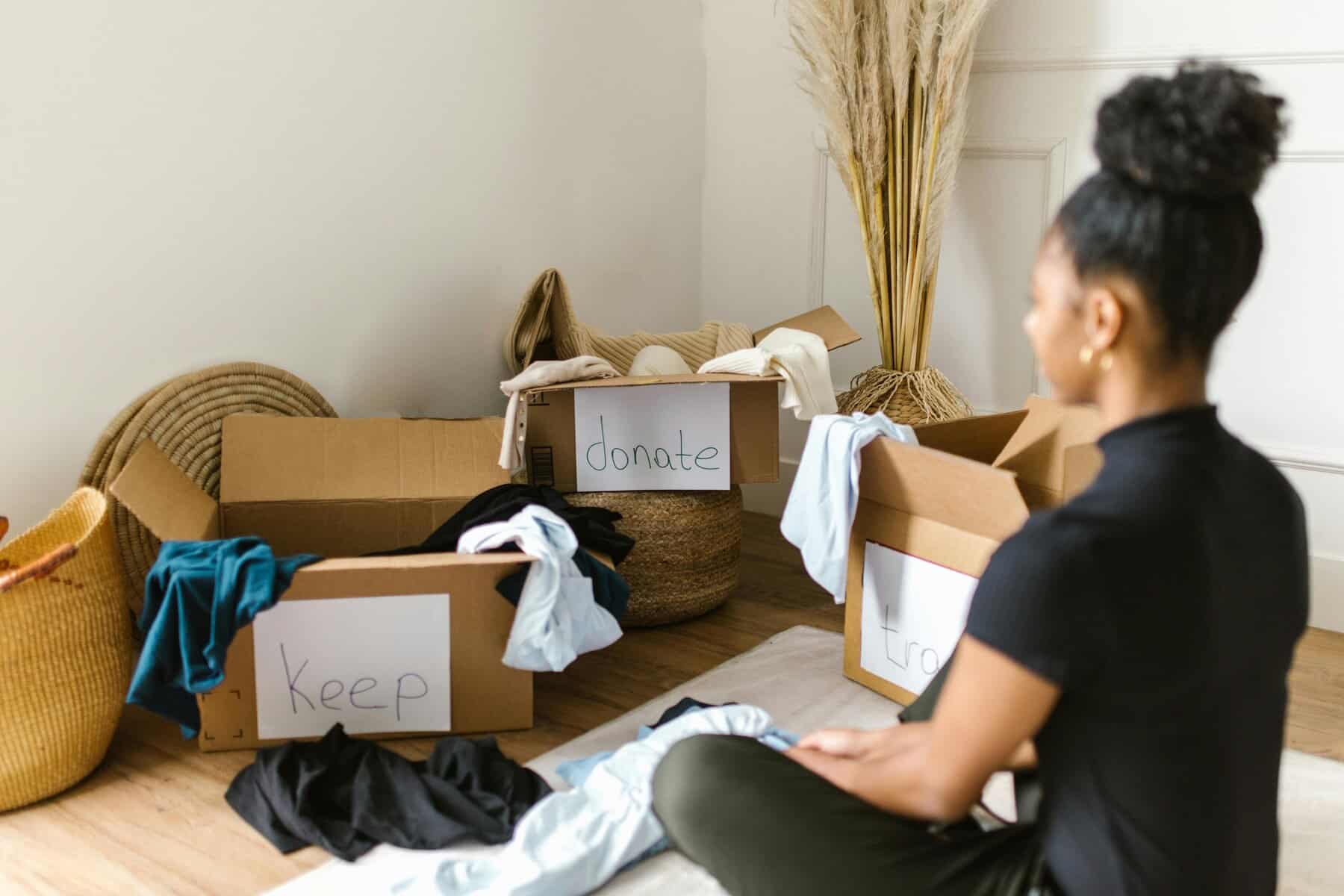
When you’re preparing to sell, depersonalizing your home is one of the easiest ways to attract more buyers. Essentially, depersonalization means removing or minimizing items that reflect your life, such as family photos, collections, bold decorations, or anything very specific to your tastes. The goal is to help buyers imagine living in their home, not yours.
This is a proven sales strategy because it reduces distractions, appeals to a wider range of buyers, and allows people to form an emotional connection with your home faster. result? Better showings and faster sales.
Why organization and personalization are important
Buyers are naturally drawn to spaces that are comfortable, calming, and that they can imagine themselves living in. Clutter or unique decorations can detract from the experience. When a room is clean and neutral, buyers don’t have to mentally try to remove personal items and can instead focus on what’s really important: the home’s layout, natural light, and functionality.
Decluttering and removing personal touches will clear your vision, make rooms feel larger, and increase your home’s overall marketability, whether it’s a home in Delray Beach, Florida, or Aiea, Hawaii.
Personalize and organize
Although the two often go hand in hand, organizing and personalizing have different purposes.
When it comes to decluttering, quantity is important. Focus on removing excess belongings and visual noise to make your room feel more open and organized. Depersonalization is about identity. This includes getting rid of items related to your personal history, hobbies, and lifestyle. This includes photos, themed décor, collections, and anything else that says “this is my home” rather than “this could be your home.”
Where to look first: The four main living areas.
To maximize impact without overwhelming yourself, start with the spaces that buyers will see and judge first.
bedroom
Delete family photos, monogrammed items, or personal collections. Clear your nightstands, except for small accessories. Make your closet look larger by storing extra clothing elsewhere. Use simple hotel-style bedding in light, neutral tones. For children’s rooms, keep themed decorations to a minimum and keep only a few toys.
bathroom
Clear all personal items from the counter and store everyday items in a basket under the sink. Swap out your colorful towels for a fresh, neutral set. Please remove perfume, medications, personal grooming products, etc. Lightly style your space with plants and a simple soap dispenser to create a spa-like atmosphere.
Read>> How to stage a bathroom for sale
living room and family room
Store extra pillows, throws, and personal decorations. Remove bold or niche artwork and replace it with neutral pieces. Keep furniture placement simple to emphasize space and flow. Keep your built-ins and mantels minimal in style and consider symmetry, greenery, and subtle accents.
kitchen
Keep the countertop mostly bare with just one or two neutral objects, such as a bowl of fruit. Edit your cabinets and pantry to take up half of your space. Remove photos, magnets, children’s art, etc. from the refrigerator. Conceal and store small appliances, pet bowls, and special equipment. Clean thoroughly to ensure the surface shines and shows cleanliness.
What to hide, delete, or put away?
To avoid distracting and polarizing buyers, please pack the following:
Family photos and portraits. Display of collectibles, memorabilia and hobbies. Religious decoration or spiritual symbol. Diplomas, awards and personal achievements. Refrigerator photos and notes. Sports team decor or themed rooms. A very special lawn decoration or door decoration. Personalized outdoor signs and unique garden art.
Staging while living at home
Developing small habits can make ongoing home staging manageable. If you plan on staging your home while living in it, consistency is key. try:
Keep a trash can handy for easy cleanup before the show. Store removed ornaments in a dedicated storage space. Create a nightly reset routine: Clear counters, straighten furniture, and clean surfaces. Maximize closet space by pre-packing off-season clothing. Specify a laundry basket as a final preparation before the buyer arrives.
Increase curb appeal
Buyers form their first impressions before they even step inside the store. Increase your home’s curb appeal by:
Remove personalized lawn decorations and niche garden decorations. Store seasonal entrance decorations. Cleaning of the entrance and high pressure washing passage. Add simple, neutral planters. Refresh mulch and prune overgrown shrubs.
Read>> What is curve appeal?
DIY vs. Hire a Professional
Many sellers tackle personalization and staging on their own, but a real estate agent or professional stager can enhance your results. Consider:
DIY benefits
Cost-effective Flexible schedule You know best what you have
professional benefits
Expert eyes on buyer psychology Access to staging inventory Guidance tailored to your market Faster preparation for shoot dates and showings
It is common for sellers to use a hybrid approach. That means tackling the basics and then bringing in expert support where it matters.
Neutralize colors, patterns, and finishes
A neutral background helps buyers imagine the style they want. Consider a simple update like this:
Paint a bright accent wall a warm white, greige, or light beige. Remove old or patterned wallpaper. Use slipcovers on bold, patterned, or bulky furniture. Replace your bedding, curtains and rugs with a very personalized touch. Replace flashy hardware with a simple brushed nickel or black finish.
Add warmth without customizing
Depersonalization does not mean sterile. Create an inviting atmosphere by incorporating the following:
Soft textures like throw blankets and knit pillows in neutral tones. Simple greenery such as potted plants and artificial stems. Warm lighting from lamps and candlesticks. Neutral wall art with an abstract or nature theme. Cozy and minimalist entryway vignette with mirror and plants.
Emotional aspects and next steps
Depersonalizing your home is a practical and emotional step, but it will set you up for better photos, more appealing showings, and a smoother sale. Once you have sorted, neutralized, and decluttered the personal elements, you are ready to move on to the next stage: professional photography, listing preparation, and showings.
Frequently asked questions about how to depersonalize your home
What is the 1/3/5 tidying rule?
This is a simple system. Store 1 large item, 3 medium items, and 5 small items on any area or surface. This rule helps you edit out visual clutter and create a balanced style when preparing for screening.
What is the thing that reduces property value the most?
Factors like lack of maintenance, outdated finishes, strong odors, untidy rooms, and very unique decor can turn buyers away. Depersonalization neutralizes these potential red flags and highlights your home’s best features.
How can I emotionally distance myself from home?
Start by pre-packing your personal belongings and photos. Focus on your home as a product to sell, rather than a reflection of your memories. Visualize your next chapter and remember that depersonalization can help your home appeal to a broader group of buyers.
