


Why e-learning needs to be adapted to serve learners
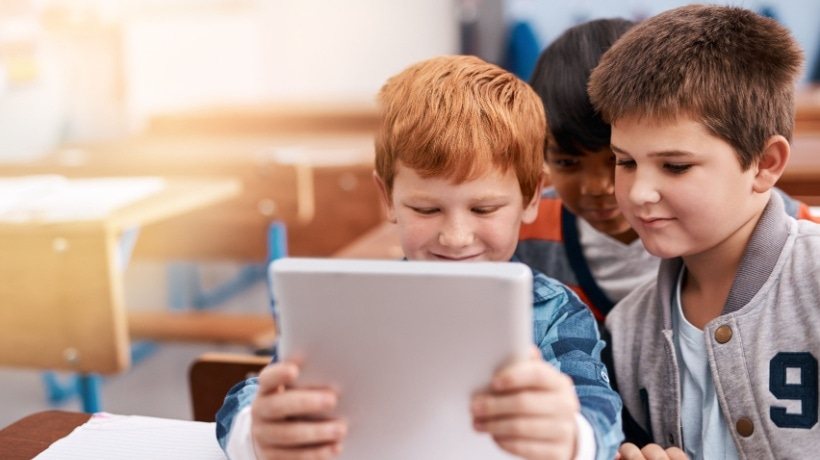
Research shows that 90% of children aged 2-5 already know how to use smart devices, and many people are exposed to the screen before they learn the story. This shows that Generation A, the next-generation learner, is very different from previous learners.
So, who exactly are the people of Generation A? Generation “Alpha” refers to children born between 2010 and 2024. They grow up in a world of voice assistants, personalized content, and AI. Unlike previous generations, they are already mostly familiar with touchscreens, streaming or instant information. Overall, they are the first fully digital native generation. Why is this important? Because in order to truly prepare for the future, we need to understand how this generation learns and what they value. They are not only future students, but also future workforces: people who innovate, lead and problem-solving. Generation A is also very socially aware. From a young age, they have been introduced to global issues such as climate change, social justice and mental health. They value inclusion, diversity and reliability. They want to feel heard and expressed even in the classroom.
Now, let’s dive into the challenges that arise when educating Gen A and how e-learning needs to be adapted to meet their unique needs.
Important Issues in Gen a Education
Short warning span
General Alpha is used to swipe, skip and scroll content in seconds. Thanks to platforms like YouTube, Tiktok and even educational apps, they are not used to sitting still and listening to 40-minute lectures. If something doesn’t immediately grab their attention, they will abandon it. This does not mean that we cannot focus, but we value interactive lessons and practical activities.
It depends on technology
Generation Alpha, as a digital native, never knew a world without a smartphone, tablet or smart assistant. This provides learning opportunities, but there are major issues with it. It’s an overreliance on the screen. Many kids find it difficult to rest on screen and feel bored without a device. This can limit creativity, critical thinking, and real-world problem solving. It is up to educators and parents to help educators and parents find a healthy balance between digital tools and offline learning.
Reduce social interactions
The pandemic discovered Gen A in childhood. Limited face-to-face interactions between virtual classrooms, no playdates, and major developmental times certainly had an impact. As a result, some suffer from basic social skills such as teamwork, empathy and conflict resolution. So, teachers need to help them practice these skills in schools and online classrooms now.
Mental health concerns
Mental health is another concern. While past generations may not pay appropriate attention to feelings of anxiety and stress, today’s children face more intense emotions. Whether it’s because of global events, online bullying, or peer pressure, mental health support is becoming an important part of the learning environment. Therefore, teachers should also be active supporters of learner well-being.
How to make earlyurning Generation A-Friendly
Personalization
If there’s one thing we know about Gen Alpha, it’s that we’re used to being that everything is customized. So they hope that their learning will be exactly like that. Unlike traditional learning, which provides the same content for everyone, personalized learning uses AI tools and adaptation platforms to tailor lessons to each student’s pace, strengths and learning preferences. For example, if a student struggles with concepts while exceling at another person, the smart platform coordinates content in real time. It gives them more of what they need to practice, while allowing them to pass on lessons they have already mastered.
Gamification
With Gen A’s attention spans tablets and smartphones, it’s not surprising that they are naturally drawn to interactive learning. That doesn’t mean that everything has to be a video game, but when learning is fun, it sticks to them. Platforms that use game elements such as badge acquisition, unlocking levels, and competing for challenges will turn difficult subjects like math and science into engaging experiences. For example, learning coding can turn your lesson into a mission-based game. And when students collaborate on assignments, it encourages collaboration. Gamification also allows for immediate feedback. Rather than waiting for student grades or comments from teachers, students quickly know what was right and what was not.
Microlearning
What Generation really enjoys is microlearning. This means a short lesson that simplifies complex concepts and divides them into smaller parts. For example, a quick quiz that allows you to finish between five-minute videos, interactive flashcards, or other activities. These learning bits perfectly fit the fast way to consume content and help improve focus and retention. What’s better is that microlearning teaches early time management and self-discipline. It shows children that learning is not limited to school hours, but can happen whenever necessary.
Social Emotional Learning
As mentioned above, real social skills and emotional perceptions do not always develop naturally when a child is raised in a completely digital world. That’s where social emotional learning comes into play. It teaches students how to understand and manage their emotions, develop healthy relationships, set goals, and make thoughtful decisions. In classrooms that prioritize this approach, students will empathize, learn how to resolve conflicts and communicate effectively. Most importantly, they are encouraged to talk about how they feel. With so much going on around the world, it’s more important than ever to provide students with tools to process their emotions and support each other. Furthermore, research shows that socioemotional learning actually enhances academic outcomes.
ai
Generation Alpha is growing in a world where AI is part of everyday life. So, when it comes to education, whether or not you need to include AI is not about how you can use it in a smart and meaningful way. AI has the power to completely change the e-learning experience of Gen Alpha. Apart from personalization, instant feedback and support, educators can use AI to enhance the human aspects of learning by using it as a tool to create meaningful content, automate processes, and provide learners with more resources.
Conclusion
At the end of the day, online A, educating generations, is not only keeping up with the latest tech trends, but is far ahead. Certainly, they are growing up with AI, tablets and smart devices, but what they really need is guidance on how to be more thoughtful, curious and confident about who they are. It’s about helping them ask questions, care for others, and adapt to the future. Technology is constantly changing, but human values remain the same and still matter.
