


Last year, when the Utah State Legislature passed the nation’s first statewide ban on community water fluoridation, it included a provision that would make it easier for people to obtain fluoride supplements without going to the dentist.
This would make fluoride available by individual choice, rather than through “massive public administration,” as the Utah House of Representatives’ webpage puts it. It’s part of the growing skepticism that has led to the withdrawal of water fluoridation, a proven method to reduce tooth decay.
“This is what I like to call a win-win, right?” Speaker Mike Schultz said on a June episode of the Utah House of Representatives podcast “House Rules.” “People who want fluoride will now have access to it more easily, and people who don’t want fluoride in their drinking water won’t have to.”
But even though critics point to fluoride supplements as alternatives, as well as fluoride-containing toothpastes, rinses, and varnishes, many products create barriers to these same products.
The Food and Drug Administration, under the direction of U.S. Secretary of Health and Human Services Robert F. Kennedy Jr., announced it has issued notices to four companies regarding ingestible fluoride supplements for children, as well as new guidance for health care professionals.
In Texas, Attorney General Ken Paxton has launched an investigation into two major companies for selling fluoride toothpaste to parents and children.
And Medicaid changes in President Donald Trump’s so-called One Big Beautiful Bill Act could make it harder for some of the most vulnerable people to access any oral health care, let alone fluoride treatment at the dentist’s office.
Most of all, experts say, the alarming words from top officials have filtered down to the general public, leading more people to question whether adding fluoride to drinking water and other treatments is a good idea.
Scott Tomer, a professor and associate dean at the University of Illinois Chicago School of Dentistry, is among those watching with dismay as the conversation about fluoride is influenced by potentially frightening arguments.
“I believe the net result of all of this is that there will be more reluctance on the part of parents and health care providers to prescribe fluoride supplements,” Tomer said.
It is widely accepted that low, continuous exposure to fluoride is responsible for the dramatic reduction in tooth decay. But long-simmering skepticism about its use has grown even more influential in recent years, especially with Kennedy’s credibility and influence as the nation’s chief health officer.
“The evidence against fluoride is overwhelming,” he said at a press conference in Salt Lake City last April, alongside Utah lawmakers.
Despite the limited science supporting his conclusions, he claimed that fluoride “causes IQ loss, severe IQ loss,” and linked water fluoridation to ADHD, hypothyroidism, osteoarthritis, and kidney and liver problems.
Lee Zeldin, who heads the Environmental Protection Agency, also spoke at the Utah event and acknowledged Kennedy’s contribution to the agency’s review of standards for fluoride in drinking water. An EPA spokesperson said in a statement to ProPublica that the agency’s “next analysis of new scientific information about the potential health risks of fluoride in drinking water is not scheduled until 2030, but the agency is moving at Trump speed.”
Meanwhile, the FDA is working with other federal agencies to develop what it calls a “Fluoride Research Agenda.” And last spring, the Centers for Disease Control and Prevention’s oral health division was eliminated as part of a series of deep cuts.
In a statement emailed to ProPublica, an HHS spokesperson asserted that fluoride’s “primary benefits for teeth come from localized contact with the outside of the teeth, not from ingestion. Therefore, there is no need to ingest fluoride.”
Opponents of fluoride cite the hotly debated 2024 National Toxicology Program’s “State of the Science” report, which they say shows a link between fluoride exposure and lower IQ in children.
However, these findings have not been widely accepted because of the limitations of this study. It analyzed studies conducted outside the United States with varying water conditions and containing fluoride levels more than twice the U.S. drinking water standard. The report itself says in bold that it does not address whether “isolated exposure to fluoride added to drinking water” at levels recommended in the United States and Canada “is associated with measurable effects on IQ.”
As ProPublica reported, in this climate, water fluoridation is widely debated, even in Michigan, where fluoridation treatment began more than 80 years ago.
Florida also followed Utah in banning fluoridation throughout the state. Similar bills have been introduced in at least 19 other states in the past year, and the momentum continues to grow, with Arizona and South Carolina recently proposing statewide bans. Meanwhile, local debate over fluoridation is heating up.
Dental professionals in Utah are concerned about how to prevent the expected damage to oral health, as other communities experienced when they discontinued fluoridation.
“We feel heartburn about this situation,” said James Becker, a pediatric dentist and past president of the Utah Dental Association.
Governor Spencer Cox signed HB81 into law in 2025, making Utah the first state to ban the addition of fluoride to public drinking water. utah state legislature
Becker and his colleagues outline ways to provide Utah residents with another form of fluoride treatment. But he said he was concerned that “all vulnerable children will suffer in an underserved population with no choice or voice.”
Shortly after Utah banned fluoridation, the FDA zeroed in on a type of supplement that lawmakers had proposed as a major alternative. The agency announced that it is working to remove certain ingestible fluoride products intended for children from the market. The press release notes a link to changes in the gut microbiome, thyroid disease, weight gain, and possibly lower IQ.
More than 4,600 public comments flooded the FDA, including from people concerned about losing access to supplements and the simultaneous loss of water fluoridation.
“Now that fluoride has been removed from much of Utah’s water, it is essential to replenish it through other means,” one orthodontist wrote. A South Florida dentist criticized the scare tactics and bad science that have led to fluoridation bans in states like his, saying prescribing fluoride drops and lozenges is one of the few options for pediatric patients.
On October 31, the FDA announced an effort to “restrict the sale of unapproved ingestible fluoride prescription drug products to children.” The agency announced that it had sent notices to four companies regarding the sale of supplements to children under the age of three and older children with moderate or low risk of tooth decay. It also said it had issued a letter to medical professionals “warning them of the risks associated with these products”.
Although the FDA stopped short of banning it, Stuart Cooper, executive director of the Fluoride Action Network, called the agency’s move “a huge victory.” He said he believes this is just the beginning of federal action to limit the use of fluoride products, which FAN has been campaigning against for years.
Fluoride supplements, which emerged in the 1940s alongside water fluoridation, were never reviewed by the FDA. Ten years ago, Cooper said, FAN filed a national petition calling for ingestible fluoride supplements to be taken off the market. “What we’re seeing is that it’s happening because we finally have FDA officials willing to tackle this problem,” he said.
The FDA’s position on supplements is currently at odds with several health groups, including the American Dental Association, the American Academy of Pediatric Dentistry, and the American Academy of Pediatrics. Some of them are jointly supporting a graduated fluoride supplementation schedule starting at 6 months for high-risk children.
Johnny Johnson, a former pediatric dentist in Florida, questions the FDA’s risk parameters. “If you don’t have adequate levels of fluoride in your water, by definition you’re at increased risk for tooth decay,” said Johnson, president of the nonprofit American Fluoridation Association.
The FDA’s letter to medical professionals recommends topical fluoride, such as toothpaste, as an alternative. But even that method is subject to intense scrutiny. The Texas Attorney General’s Office has launched an investigation into Colgate-Palmolive and Procter & Gamble, which sell Colgate and Crest fluoride toothpaste.
Paxton’s office said in a press release that marketing to parents and children is “misleading, deceptive and dangerous.” The announcement cited the NTP’s report on fluoridation and said the study was conducted “amid a growing body of scientific evidence that excessive fluoride exposure is unsafe for children.”
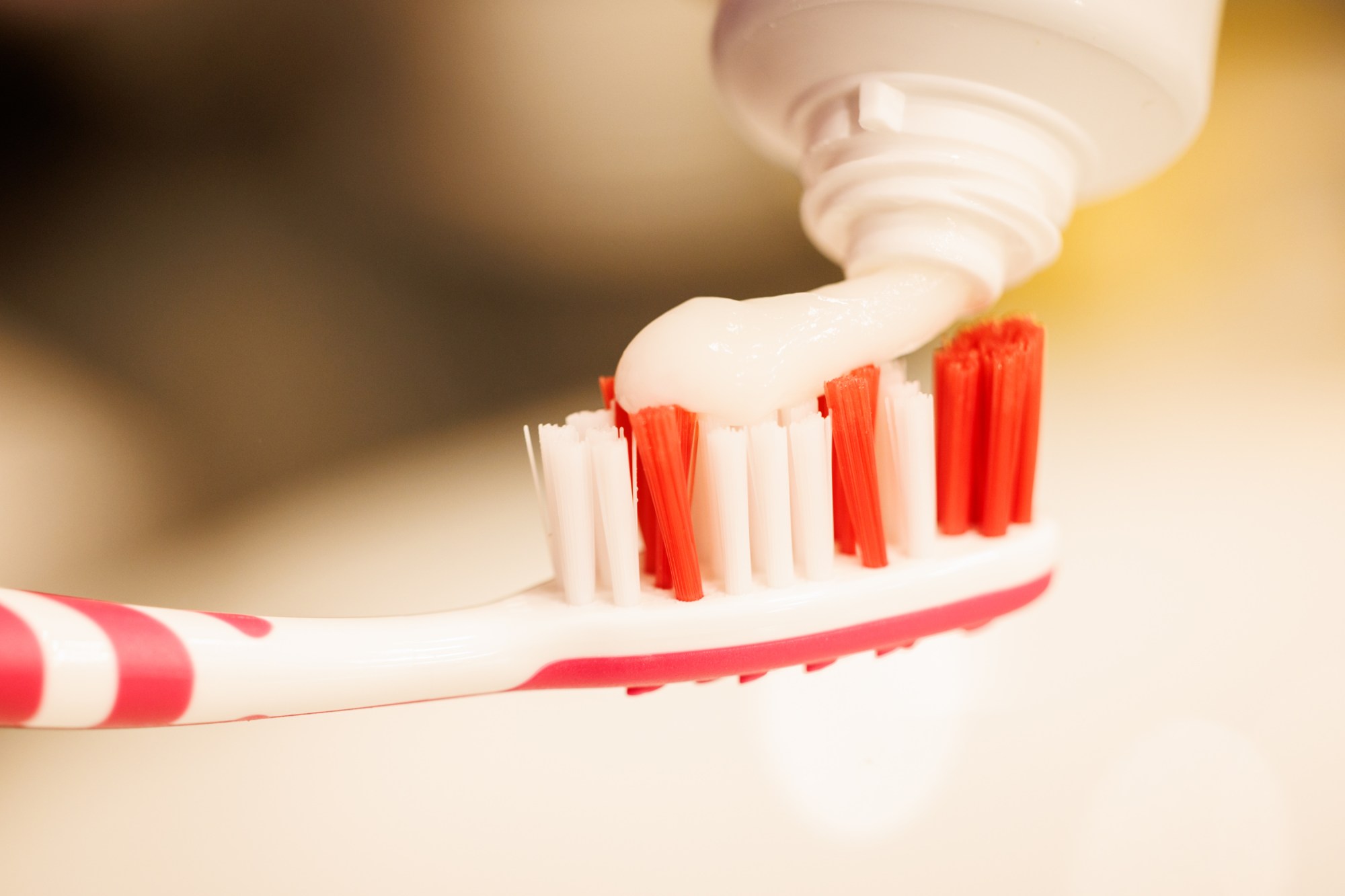
In September, Paxton’s office announced a “historic agreement” with Colgate-Palmolive. The company plans to display a pea-sized amount of paste applied to a brush on packaging and promotional materials for children’s fluoride toothpaste, rather than the traditional swirl. This month, Mr. Paxton’s office reported a similar settlement with Procter & Gamble.
In a statement to ProPublica, a representative for Colgate-Palmolive said Paxton’s press release confirmed that “the company already includes instructions on its packaging for how to use fluoride toothpaste for children that comply with U.S. Food and Drug Administration requirements.” “The Texas Attorney General recognized in the settlement that our products comply with all laws and regulations regarding their use,” Procter & Gamble said in a statement.
Another tool in fluoride treatment is the varnish that is applied during a dental exam. This may be provided free or at a reduced cost by your insurance program. But even with health insurance, there are often barriers that make it difficult to see a dentist or pediatrician who provides such treatment. A recent study found that insurance denials for fluoride varnish applications can create further complications for patients and healthcare professionals.
Johnson, a former pediatric dentist, said supplemental fluoride treatments are limited compared to the effectiveness, reach and cost of fluoride in drinking water, but “in Florida and Utah, it’s the only option.”
“There is no substitute for fluoridated water,” he added. “There’s nothing even close to this.”
