


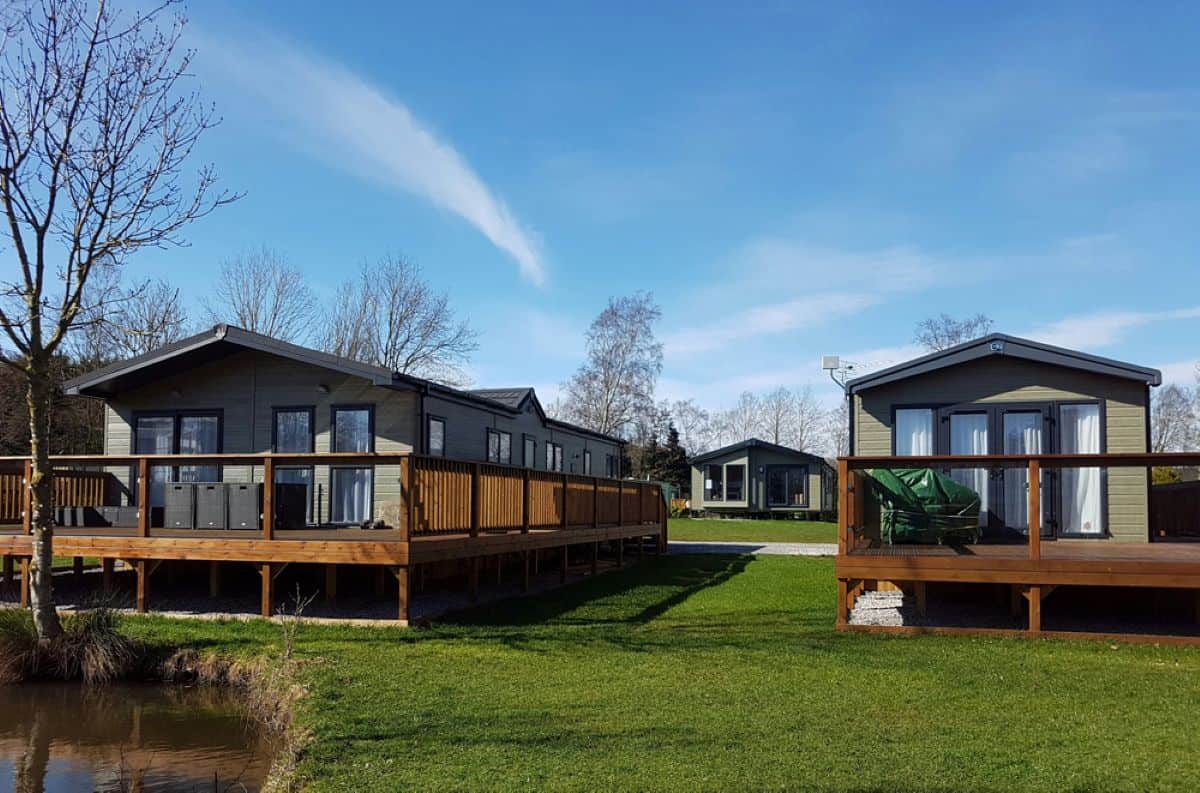
Whether you’re downsizing, buying your first home, or looking for a budget-friendly option in a competitive market, mobile and manufactured homes are the way to go. However, these homes are constructed and installed differently than traditional homes, making a mobile home inspection an important step in the purchasing process.
Manufactured homes must follow Federal Housing Development (HUD) building codes, including being built on a steel frame and using anchors or a permanent foundation system to keep it level and safe.
If you have FHA, VA, or USDA financing, your mobile home often requires an inspection. Because a home’s safety and installation directly impact loan eligibility, lenders may require both an inspection and a HUD-compliant permanent foundation certification before approving a loan.
So for buyers, understanding how the mobile home inspection process works is an important factor in their purchase, whether they’re purchasing a mobile home near Portland, Oregon, or considering a manufactured home in Nashville, Tennessee.
Mobile homes and manufactured homes: what’s the difference?
A mobile home is a factory-built home built before June 15, 1976, when the HUD standard was introduced. Manufactured homes are also homes that were built in a factory, but were built after June 15, 1976 and meet federal HUD code requirements for safety, installation, and construction quality. Although many people use “mobile home” to describe both, most homes on the market today are technically manufactured homes.
What does a mobile home inspection include?
Mobile home inspections often focus on different areas than on-site construction. Inspectors will continue to look for safety concerns, signs of damage, and issues that could affect a home’s long-term stability or loan eligibility, paying particular attention to components unique to manufactured homes.
Most mobile home inspections will examine the following items:
Structural support and foundation
Steel chassis and frame Piers, blocks, and footings Anchor or tie-down systems Vapor barriers and basement condition Does the home appear to be on a permanent foundation*?
*Permanent foundations must meet HUD guidelines, so the inspector will verify that the installation is compliant.
roof and exterior
Roofing and sealants Siding, baseboards, and ventilation under the house Gutters, flashing, and drainage Signs of moisture intrusion
plumbing work
Pipe material (PEX, CPVC, or old polybutylene) Water pressure and drainage Water heater condition Water leaks under the sink, around appliances, or under the house
electricity
Service Panel Condition Proper Grounding GFCI Protection Safe Wiring Materials
heating and cooling
Furnace operation and age Air conditioning functions Ducts and air flow
interior system
Soft or uneven floors Opening and closing windows and doors Stained ceilings, cracks in walls, or signs of leaks
Essentially, a mobile home inspection helps you, the buyer, understand the condition of your home and plan for repairs before or after closing.
How is a mobile home inspection different from a regular home inspection?
Because mobile homes are built to federal HUD codes rather than local building codes, inspectors inspect different components than homes built on site. That’s why it’s important to hire an experienced inspector who is qualified to inspect your type of home.
Manufactured homes are also built using a variety of materials, supplies, and processes, and conditions can change during transportation, which can affect what inspectors inspect. The main differences between a mobile home inspection and a regular home inspection are:
Building the HUD code
The following unique materials and construction methods are used in the mobile home:
Steel chassis. Factory assembled floor, wall and roof systems. The plumbing and electrical layouts are different.
Inspectors need to understand these systems to identify potential problems.
Foundation and fixing
Instead of a traditional concrete foundation, mobile homes may rely on:
Peer and beam system. Anchors and tie downs. Permanent artificial foundation.
The inspector will ensure that the support systems necessary for safety and loan eligibility are level, properly spaced, and securely fastened.
Ventilation and moisture control
Man-made houses are more vulnerable to moisture, especially under sealed floors. The inspector will look closely at:
ventilation. vapor barrier. Insulation under the house. Signs of mold or rot.
Transportation related issues
Now that the home has been handed over to the site, the inspector will check the following:
frame stress. settlement. Cracks in walls and ceilings. Improper installation.
How much does a mobile home inspection cost?
A mobile home inspection is often less expensive than a traditional full inspection of a single-family home, but prices vary based on size, location, and additional services. The inspector may also charge a flat fee for the mobile home. If no additional inspections are required, a mobile home inspection will take between 2 and 4 hours.
Average cost of mobile home inspection:
Single wide: $200-$400 Double wide: $250-$500 Triple wide: $300-$600
You may also need:
HUD Basic Certification: $300 – $600 Pest Inspection: $50 – $200 Mold or Air Quality Inspection: $300 – $650
A HUD Foundation Certification is separate from a home inspection and is typically required when obtaining government-backed financing to ensure that a home is placed on a safe and permanent foundation.
Is a mobile home inspection necessary?
Although mobile home inspections aren’t technically required in most states, many lenders and insurance companies require certain inspections and certifications before approving a loan on a manufactured home.
financing requirements
Government-backed loans (FHA, VA, USDA) typically require:
Complete inspection of mobile home. Make sure your home is set up safely. HUD Compliant Perpetual Foundation Certification. Safe electrical, plumbing, and HVAC systems.
If your home is on a temporary or non-manmade pier, it may require foundation upgrades to qualify.
insurance requirements
Some insurance companies require:
Roof inspection or certification. Updated electrical system. Evidence of anchoring. Proper ventilation under the house.
Common problems found during mobile home inspections
Mobile homes can present problems that are not typically seen (or are more noticeable) in traditional homes. While not all issues are cause for concern, some can impact safety, finances, insurance, and overall repair costs. Common problems that a manufactured home inspector may find include:
Moisture and water damage
Roof leaks Soft or sagging floors Damp insulation Damaged or missing vapor barrier
Foundation or fixing problems
Subsidence or uneven support Cracks or missing piers Outdated or improperly installed tie-downs Issues affecting HUD-compliant permanent foundation standards
electrical problems
Outdated panels Aluminum wiring in older homes Lack of GFCI protection
Roof and exterior wear
Rust on metal roofs Worn or damaged shingles Defective sealant
plumbing problems
Old polybutylene pipes leaking under the house improper drainage
conclusion
As with any home purchase, a mobile home inspection serves as an important buyer protection. In addition to helping you understand how well your home has been maintained, inspection results can help you plan for future maintenance and ensure that it meets HUD safety and installation standards, especially if you have FHA, VA, or USDA financing.
>> Trailer homes for sale nearby
