


Kitchen upgrades often focus on countertops, cabinets, and appliances. But ventilation tends not to receive much attention until smoke fills a room or a home inspection points out a problem. As homeowners begin to compare renovation costs, permits, and long-term affordability, questions about code requirements and overall budgets often come up alongside larger financial decisions like managing their mortgage.
So are range hoods necessary or just a recommended upgrade? The answer depends on your building code, the type of stove you use, and how seriously you take indoor air quality.
What role does a range hood actually play?
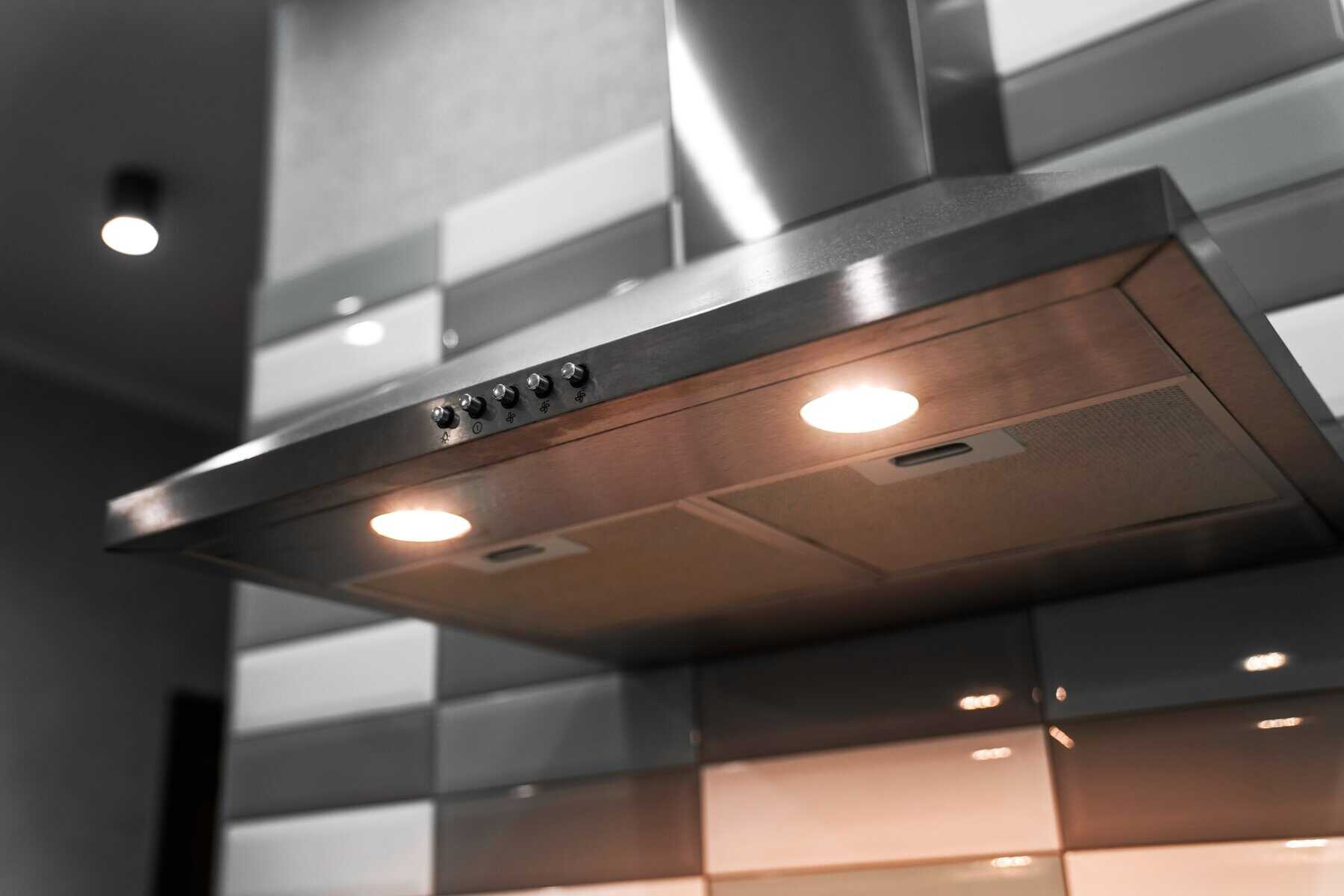
A range hood is a mechanical ventilation system that is installed above a cooktop or range. Its main task is to remove:
Smoke Grease particles Heat Steam and moisture Odor Combustion byproducts from gas stoves
Some models exhaust air to the outside through ducts. Some recirculate the air through a filter and back into the kitchen. Although both options look similar, they do not have the same performance. This difference becomes important when considering building standards and long-term housing safety.
Is a range hood required by regulation?
The bigger question homeowners ask is not just how the hood works, but whether a range hood is required by building code.
Jeremy Buitrago, general manager of Action Duct Cleaning Company ADC Corp., explains, “International residential laws require mechanical ventilation in kitchens, and if a hood is installed, most jurisdictions require that the hood be vented directly to the outdoors.”
The International Code Council sets international housing code standards that are used by many local governments. This code requires mechanical ventilation in the kitchen, but does not necessarily specifically require a traditional ducted hood. In some cases, other approved ventilation systems may meet the requirements.
However, meeting minimal code does not always mean achieving optimal performance. Jeremy adds, “Typically, the minimum standard is 100 CFM intermittently, but true performance goes well beyond the minimum code.”
CFM (cubic feet per minute) measures air flow. 100 CFM is often the baseline. Many experts recommend higher ventilation rates for large kitchens and gas appliances.
Why gas stoves change the conversation
When cooking with gas, ventilation becomes more than just a comfort feature. Jeremy makes this point clear: “Gas appliances produce heat, moisture, and combustion byproducts, which recirculation systems cannot remove.”
The last point is important. Recirculating hoods trap grease and reduce odor, but do not vent combustion gases to the outside. Over time, poor ventilation can lead to:
Lingering indoor contaminants Moisture buildup on cabinets and drywall Grease buildup over time poses a fire hazard. Concerns during inspections, especially if local regulatory requirements are not met.
He also notes that “poor ventilation in both residential and commercial kitchens can lead to indoor air quality issues, grease buildup, fire hazards, and failed inspections.” For buyers and sellers, these failed home inspections can delay closings or require last-minute repairs.
Ducted vs. Ductless: What Homeowners Should Consider
When deciding whether your home needs a range hood, it helps to clearly compare your options.
Ducted range hood Ductless range hood Exhausts air directly outdoors Recirculates air through a charcoal filter Removes combustion gases Easy and inexpensive to install Effectively reduces humidity Does not remove combustion byproducts Usually preferred for gas stoves Requires regular filter changes Many jurisdictions require external ventilation during installation
Jeremy sums up his Altadena, Calif.-based company’s position clearly: “For us, a properly designed and ducted exhaust system is a standard, not an upgrade.” With over 45 years of service experience, their perspective comes from knowing what happens when ventilation is overlooked.
How ventilation affects real estate value
From a real estate perspective, kitchen ventilation impacts more than just comfort. Today’s homebuyers pay close attention to indoor air quality and safety features. A properly ducted range hood emits signals such as:
Compliance with codes Thoughtful renovation work Reduced fire risk Improved moisture management Reduced red flags during inspections
Mechanical ventilation plays an even greater role in modern closed houses. Without this, smoke and moisture have nowhere to go. So when homeowners ask whether a range hood is necessary for resale value, the answer is often “yes,” especially in markets where buyers expect state-of-the-art systems.
Cost and installation considerations
Costs vary depending on layout and accessibility. Ductless models have lower initial costs, but may not provide the same performance over the long term. To install a ducted range hood, you may need the following:
Cutting exterior walls or roofs Adding or updating ductwork Electrical work Permits and inspections
Before installing or replacing a hood, homeowners should check local building codes and consult a licensed contractor. In some jurisdictions, installing a hood requires external ventilation, even if the previous setup was recirculating.
conclusion
So, is a range hood necessary? Modern building codes require mechanical ventilation in kitchens. Whether that specifically means a ducted hood depends on local regulations. However, considerations for gas appliances, indoor air quality, fire protection, and inspection standards often move a properly ventilated range hood from an option to a necessity.
After all, minimal code sets the baseline. Long-term safety, performance, and resale value considerations usually require more than that.
