


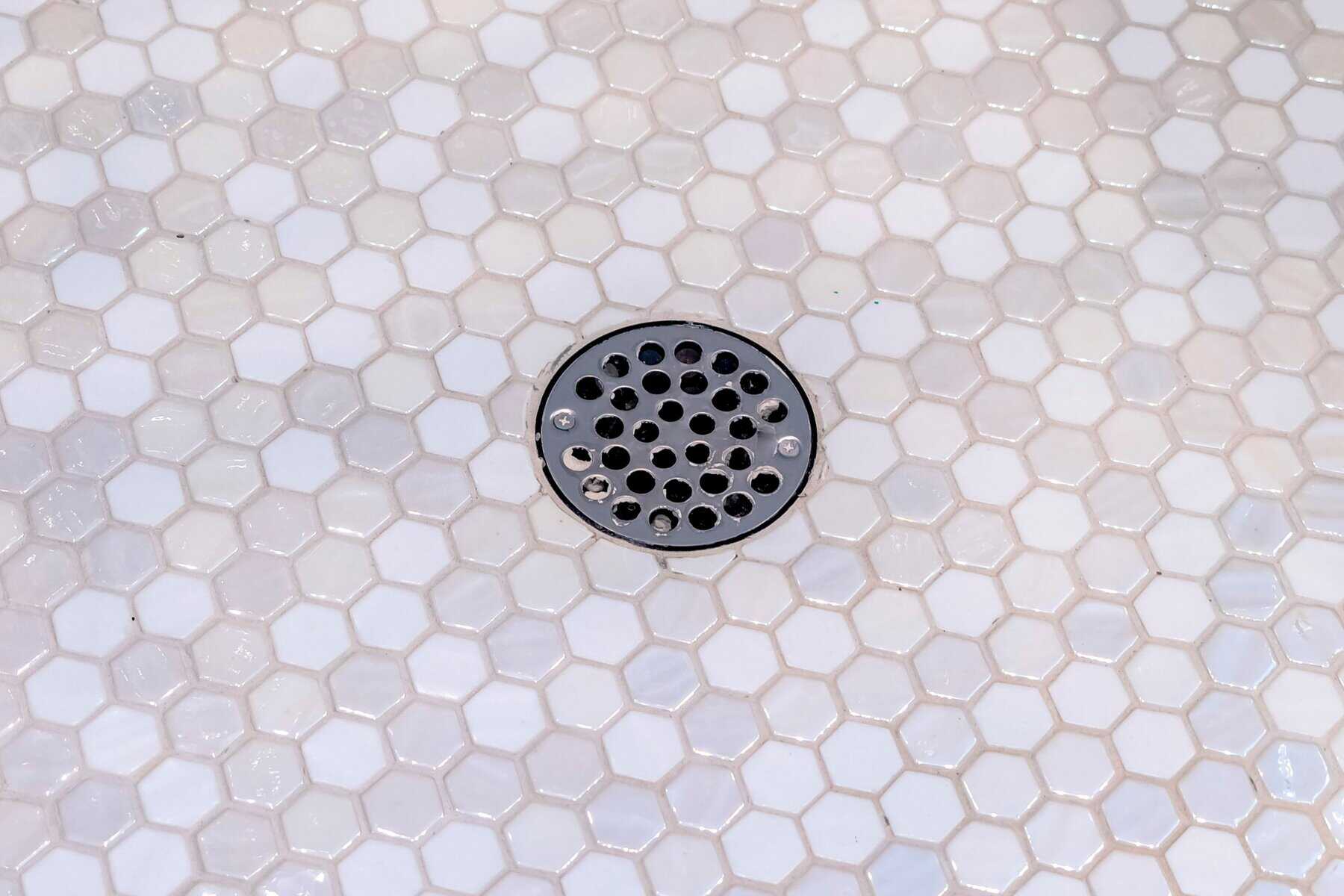
A clogged drain is one of those household problems that seems like a small thing, but suddenly stops being so. Whether you own a home in Washington, DC, or rent in Phoenix, Arizona, understanding the causes of clogged drains can save you time, money, and a lot of stress.
This Redfin article highlights how common home issues like plumbing can impact both resale potential, buyer perception, and even long-term home value.
The most common causes of clogged drains
If you’ve experienced slow-flowing sink water or pooling water in the shower, you’re not alone. Industry experts say it’s usually caused by daily habits. Soliman Najmi, president of Juka Innovations Corporation, explains, “In our experience, hair is the number one cause of blockages in household drains. The buildup of grease, soap residue, and food debris can also cause blockages and blockages in drains.”
Similarly, plumbing experts emphasize that these problems gradually increase over time. “Drain blockages are usually caused by everyday buildup of food, hair, grease, soap residue, etc.,” says Jacob B. of home service company Genz-Ryan Heating, Cooling, Plumbing & Electrical.
Common causes of clogged drains often build up slowly and are often overlooked until a complete blockage occurs. By understanding each, you can prevent problems before they occur.
1. Hair accumulation
Hair is one of the main causes of clogged drains, especially in the bathroom. It combines with soap and debris to form stubborn clumps that stick to the pipe walls.
2. Grease and cooking oil
Grease is a liquid, but it solidifies when it cools. Over time, it coats the pipes and traps other debris, causing serious blockages.
3. Soap scum (soap scum)
Traditional soaps contain fats that bind with minerals in the water, leaving a hard residue. This buildup gradually narrows the pipes and slows drainage.
4. Food waste
Even when using a garbage disposal, certain foods such as rice, pasta, and coffee grounds can expand or solidify. This makes kitchen drains especially vulnerable.
5. Mineral accumulation (hard water)
In some areas, hard water leaves mineral deposits in your pipes. These deposits reduce water flow and make it easier for other debris to attach.
6. Small objects or foreign objects
Items such as cotton swabs, paper towels, and hygiene products can accidentally fall down the drain. Unlike toilet paper, it doesn’t break down easily and can clog quickly.
7. Root invasion
If you have an outdoor or old plumbing system, tree roots may grow into the pipes in search of water. This can lead to serious blockages and pipe damage.
8. Dirt and debris
Outdoor activities or after renovations can cause dirt and debris to wash into your drains. Over time, this sediment builds up and restricts water flow.
9. Improper piping installation or aging piping
Improper pipe angles or outdated plumbing systems can make your drains more susceptible to blockages. Pipes can also become smaller in diameter due to corrosion or wear.
10. Excessive use of toilet paper
Toilet paper is designed to break down, but using too much at once can put a strain on your plumbing system, especially in older homes.
How drain pipes become clogged over time
Understanding how clogs are formed helps explain why they are so common. There is rarely one major failure, but it is usually a gradual process.
The team at Plomero EN Phoenix explains it clearly. “Drain blockages are usually caused by everyday buildup of grease, hair, soap scum, food waste, etc., which gradually narrow the pipes over time.” Think of your pipes like a highway. At first, traffic flows smoothly. However, as accumulation accumulates, the “lane” becomes smaller, and eventually everything returns to normal.
You may notice early warning signs such as slow drainage, gurgling sounds, and unpleasant odors. Catching these signs early allows you to address the problem before it becomes a major repair.
Read >> Reasons why garbage disposal does not work well and how to solve it
Common remedies for clogged drains
If a blockage occurs, the solution depends on its severity. Minor blockages can often be dealt with with simple repairs, but deeper blockages may require professional help. In more serious cases, plumbers may use advanced tools such as hydro jetting and camera inspection to completely resolve and diagnose the problem.
Common solutions include:
Plunging: Effective for small localized blockages Drain snake or auger: Used to physically remove buildup Hot water + dish soap: Helps break down grease in kitchen drains Professional drain cleaning: Great for recurring or stubborn problems
Prevention: The smartest way to deal with drain problems
This is where homeowners can really get ahead of the curve. Preventing a clog is much easier and cheaper than repairing a clog.
Najimi says, “Performing regular home maintenance, like using a drain strainer and not letting grease run down the sink, can prevent clogs before they become more serious. We’ve found that a little bit of prevention can save you headaches and expensive plumber visits.”
Jacob B. reinforces this approach. “The best way to prevent backups is simple: use a sink strainer, schedule annual drain maintenance, and avoid pouring grease down the drain.” From a practical, day-to-day perspective, Promelo EN Phoenix adds, “One simple habit I recommend is to run your kitchen sink under hot water with a little dish detergent after you use it to reduce grease buildup in the lines.”
Easy-to-adopt preventive habits:
Use drain strainers in sinks and showers Avoid pouring grease and oil down the drain Run hot water after every use in the kitchen Throw food scraps in the trash Schedule annual plumbing maintenance
Why this matters to homeowners and buyers
If you’re involved in buying, selling, or managing real estate, plumbing issues can quickly become a deal breaker. Slow drainage or recurring blockages may indicate a more serious problem, such as damaged pipes or lack of maintenance.
Understanding the causes of clogged drains will not only help you maintain your current home, but will also give you an advantage when evaluating your property. A properly maintained plumbing system often reflects the overall care of your home and can even influence the results of a home inspection.
final thoughts
Clogged drains are very common, but also very preventable. By recognizing the early signs, or knowing how to unclog a sink when the problem first appears, and addressing the root cause like hair, grease, or buildup, you can avoid bigger (and more expensive) problems in the future.
At the end of the day, it’s important to stay proactive. Because when it comes to the causes of clogged drains, it’s important not just to fix the problem, but to stop it before it starts.
