


Generative artificial intelligence (AI) is transforming a variety of professions, including art, film, accounting, national defense, and education. Some even argue that AI will make almost all jobs obsolete. They say that the ability to “think” and accomplish tasks hitherto only within human capabilities means humans will no longer need to work. Machines do everything for us. Whether this is a good or bad thing depends on the story you want to tell.
Some argue that as jobs are taken away by AI, the poor will become poorer, the rich will become richer, and a class war will ensue. Some believe that once AI gets the job done, scarcity will inevitably end, and therefore money will no longer be needed. Others argue that AI will destroy all human life long before we reach that point, but that would be debatable. Still others say that AI will obey the laws of economics, but that we will never get to that point (on these last two, see Ole Miss economist Henry Thompson’s research paper “The Economics of Artificial Superintelligence”). The question of what will happen if jobs are eliminated by AI is an interesting question, but I would like to focus here on how AI might impact jobs and employment.
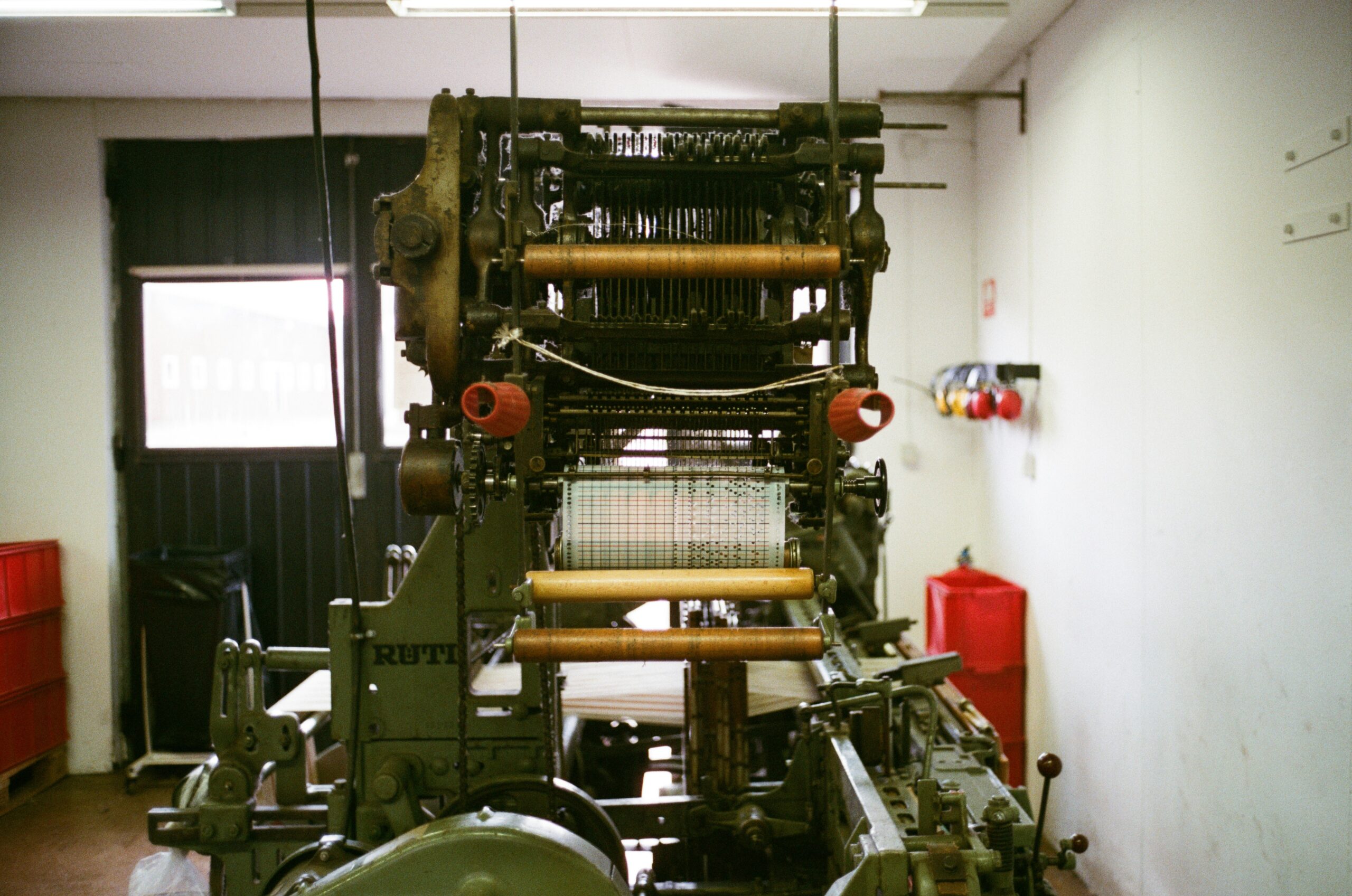
Concerns about the impact of machines on labor and labor income are by no means new. Many of the concerns about AI are similar to those of the Luddites, a movement in 19th century England that opposed the introduction of textile machinery into trade. Luddites were concerned that some automation in the textile industry would produce cheaper, lower-quality products and displace skilled workers. They launched a sabotage campaign against the machine, but ultimately lost the battle. Over the next two centuries, the textile industry became highly automated.
Back in the 20th century, John Maynard Keynes made similar (though less pessimistic) predictions about how automation would affect jobs. In his 1930 paper “The Economic Possibilities of Our Grandchildren,” Keynes argued that automation would allow us to work just three hours a day.
In the end, both predictions were wrong.
Although some weavers lost their jobs, the industry hardly suffered a downturn. In fact, wages for skilled textile workers rose. In 1800, the average wage for a textile worker was about 25 shillings a week (adjusted for inflation, £91.68), or about £4,767 a year, adjusted for inflation. Currently, the average annual wage for skilled workers in the textile industry is £29,000.
Why have wages increased? Because automation has changed the nature of work. Workers who could only reproduce what machines had done lost their jobs. People who found ways for machines to supplement their jobs saw increased productivity (and therefore wages). A recent paper published in the Journal of Labor Economics by Daron Acemoglu, Hans Koster, and Selen Ozgen found that these results hold up even with modern automation.
What will Keynes’ predictions be? According to the Bureau of Labor Statistics, in 2024 people worked an average of 42 hours (full time), or 34.2 hours (all workers) per week. Although this is slightly less than Keynes’s 47 hours a week, it is still far from 15 hours a week.
In a short paper published last year in Industrial and Organization Psychology, my colleague Dr. Anne-Marie Castille and I investigated the reasons for these false predictions. We argue that the reason Keynes and the Luddites were wrong is because they failed to recognize that automation does not solve the reason we work: scarcity of resources (among other things, time).
Initially, spend your time on activities with high marginal value. Introducing automation reduces the time spent on these activities, freeing up time for activities with lower marginal value. That is, activities that we did not do before because the cost was too high. Those activities vary from person to person. And sometimes new desires are born or discovered. we write:
“In the past, housework was very labor-intensive and required many labor hours to accomplish. Washing laundry required hand-washing each item, drying it on a clothesline, and bringing it in when finished. With the invention and widespread use of the washing machine, the time required to do laundry decreased dramatically. The working hours are probably less than 20 minutes. Domestic workers (mainly women) now have more time on their hands. They can choose to spend their free time doing something else. Many women choose to spend their newly freed time by participating in work.
…
“As people became wealthier, basic needs such as food security, shelter, and companionship were met with fewer resources. This created the trade-off we have been discussing: Do people use their newfound time for leisure or work to satisfy other needs?”
I would now argue that the same pattern will be repeated with generative AI. As AI spreads throughout society, some jobs will be lost. But you will find a new job. I don’t know what those jobs are. No one knows. Human ingenuity and desire knows no limits. We will continue to discover new ways to satisfy new desires. AI does not solve the fundamental motivator of work: scarcity.
*Average weekly working hours for all employees, private total, seasonally adjusted, Series ID: CES0500000002.
**See Table 2.
