


Can AI cause employee burnout?
Many companies are using AI to reduce the workload of their employees. But how can you prevent this technology from causing problems?
Potential problems caused by AI
1. Data breach
Using such models poses security issues, and if the data is leaked, an AI data breach occurs. This is because the AI model stores the data on the same server as your other data. AI systems process sensitive data that no one should have access to. Unauthorized access occurs when security measures such as encryption are not used. As a result, data breaches occur.
AI is hosted on cloud servers. If someone can gain access to your server and access such data, and provide access to that data to others, it could create problems for your company. Therefore, it is not possible to make such a server accessible to everyone. This data can be of various types, such as personal information of employees in an office or patient medical records in a hospital.
2. Data poisoning
Data poisoning can also occur when someone puts incorrect data into the system, corrupting the model and affecting the functionality of the AI. With data like this, we can get hints about how AI systems work. This technology can cause problems if employees are required to do more work because of it.
How does AI work?
AI models work by detecting patterns based on the data they are fed. For example, you can recognize animals and make predictions based on their unique characteristics. Next time you give it a picture of an animal, it will recognize which animal it is.
For AI models to work, they use data to ensure they can make predictions and detect patterns in the data. Without such a model, AI cannot function, cannot analyze input, and cannot produce output. Because AI models can recognize patterns, they perform a variety of tasks such as predicting outcomes, detecting objects such as facial recognition, and even responding to customers based on queries provided to the chatbot.
Why does the use of AI cause employee burnout?
1. Fear of being replaced
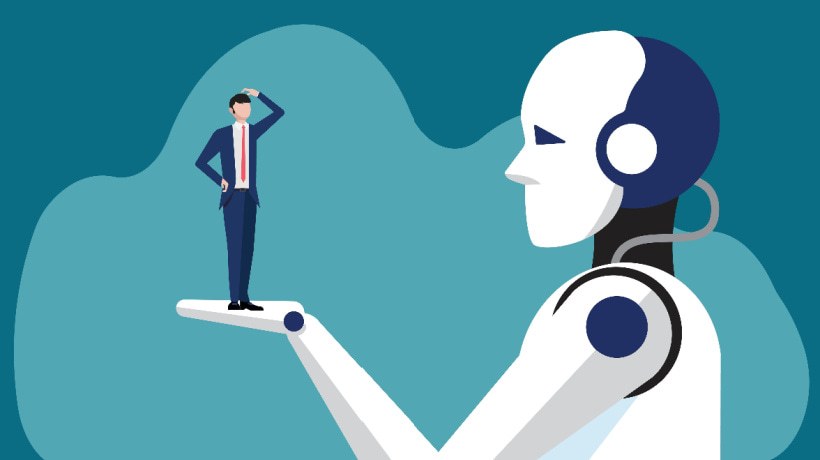
Employees may fear that their jobs will one day be taken over by AI. They work hard so that their employers see them as better than machines. This can lead to fatigue and burnout.
2. No training
Employers also have high expectations that their employees can easily understand the basics of AI. This is not true as employees need to be trained. When AI technology is used in the office, employees can feel pressured to be irreplaceable. Using AI tools requires employees to be available at all times. When employees have to be available 24/7, work-life balance can be disrupted.
3. Boredom
If AI does all human work, employees will become bored. Employees may suffer from a lack of job satisfaction. You may lose touch with your teammates and even quit your job. Therefore, companies must use AI carefully. Only this can save employees from burnout.
How do you deal with burnout?
train employees
First, AI was supposed to ease human work. It shouldn’t have been increased. Companies can reap many benefits by providing hands-on AI training to their employees. Employees will understand the benefits of AI once they are trained to use it. They embrace AI and are motivated to use it. Also, if similar industries can demonstrate its benefits, they will be more confident in using it. They will lose their fear of being replaced by AI.
persuade employees
When employees believe that AI can help them grow, they see it as an opportunity to further their careers. They see learning and development as an opportunity to advance their knowledge, rather than as an obstacle to the job. Therefore, being convinced of the benefits of AI creates a positive mindset towards learning about AI. When training your employees, you need to be confident that AI will not replace them in the long term. This will help them understand the training they need to grow in their careers. Also, a distinction should be made between personal and professional life. Employees must stop working at the end of their shift.
Training should be designed with employee needs in mind. If the training doesn’t match the employee’s job responsibilities, the employee may feel uninterested. We also need to design training based on different AI models. Employees are interested in training if they know it will improve their job performance. Therefore, companies should invest in developing programs that parallel the employee’s job responsibilities. Not all employees can use the same AI training program.
creative technology
We provide niche e-learning solutions to corporate customers. We also provide LMS management services. We are experts in blended learning, mobile learning and web-based training
