


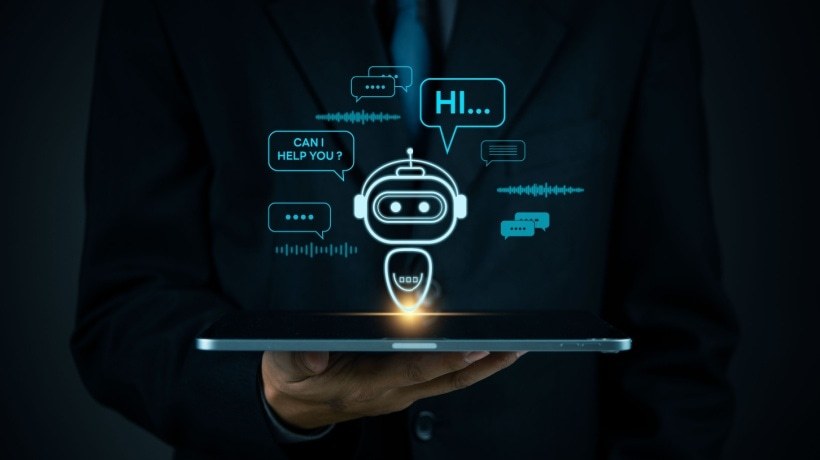
What AI can do for learning and development
Learning and Development (L&D) is in a new chapter. For many years, L&D has been about structured programs, static content, and instructor-led sessions. However, today’s workforce is changing rapidly, and the skills required are changing. The tools used to enable that growth must also evolve. Enter Agent AI in Learning and Development.
This is not just another buzzword or minor technical upgrade. This represents a fundamental change in how learning outcomes are designed, delivered and promoted. Unlike traditional AI that simply recommends or automates, agent AI can perform autonomous actions based on context, goals, and user behavior. Learning can be dynamic and personalized and truly focused on results.
If you are an L&D leader who wonders how to modernize your approach, this is the breakthrough you’ve been waiting for. Let’s break down the reasons why agent AI can actually do it in learning and development, and why it’s important.
From passive content to intelligent learning journeys
In traditional models, learners receive what the organization decides. However, relevance has a shelf life. Skills evolve and roles adapt quickly. That is where AI in learning and development plays an important role. Agent AI allows learning platforms to create dynamic journeys by interpreting learners’ duties, past performances and career paths. Any size larger than this will not fit all. Each employee is tailored to growth when they need what they need.
Think of it as a learning partner who not only understands you, but also acts for you. Curate, nudge, coordinate and evolve content and delivery based on real-time learning signals. This is the power of a smart learning system equipped with agent AI.
Real-time skills mapping and development
One of the biggest challenges for the L&D team is understanding what skills are present in their employees and which skills are lacking. Agent AI can scan performance data, job descriptions, training history, and even team goals that build accurate skill maps. This allows AI-led employee training to be not only personalized, but also strategically aligned with your business goals.
Instead of relying on manual assessments and outdated competency models, L&D readers can use intelligent learning systems to identify gaps, recommend learning paths, and even predict the time required to close those gaps. This kind of automation and accuracy was simply not possible before agent AI rose in learning and development.
Autonomous coaching and feedback
Imagine a virtual coach who observes how employees interact with content, evaluates their understanding, and provides immediate, actionable feedback. It’s not science fiction. It’s already happening.
Agent AI can provide guided practices, simulate real-world challenges, and provide continuous coaching without the need for a human trainer at every step. This increases AI in learning and development, from automation to augmentation. It increases the reach and effectiveness of your training team and provides constantly demanding support to learners. Employees no longer have to wait for their next workshop. With Agent AI, learning becomes a proactive and always-occurring experience.
Create adaptive assessments and certifications
Standardized tests are useful, but rarely reflect actual ability. Agent AI can create adaptive assessments that evolve based on learner responses, role requirements, and past behavior. This means that each learner will obtain a challenge level that is appropriate for his/her ability.
It also ensures that certification is not just a checkbox, but also a true indicator of skill acquisition. This kind of intelligent rating helps the L&D team maintain high standards while keeping their ratings attractive. It is one of the most practical applications for AI-driven employee training and has become essential for future-ready L&Ds using AI.
Promote organizational agility
In a volatile business environment, agility is everything. You need a team that can learn, learn and relearn quickly. Agent AI supports this by quickly adjusting training priorities based on external changes, internal goals, or changes in the workforce.
For example, if a company changes its strategy, the learning system can immediately recommend relevant programs, shift focus areas, and notify managers about team preparation. This will make L&D’s Agent AI a business partner, not just a technology layer. This bridges the gap between learning and performance in a way that a few systems have done previously.
Ethical Use and Data Responsibility
There is great power and great responsibility. The use of agent AI also raises important questions about data privacy, algorithm bias, and transparency. L&D readers need to ensure that the AI system is ethically designed and its use is clearly communicated to learners.
Building trust is essential for adoption. Employees need to understand how data is being used and how AI decisions are made. This is where governance and digital responsibility must evolve with innovation.
Conclusion: The smarter future of L&D
Digital is not the only future of workplace learning. It is autonomous, intelligent, and deeply personal. L&D’s Agent AI is transforming the way organizations approach skills building and improving performance. Empower learners, support managers, and help L&D leaders make data-driven decisions.
As learning and development AI continues to evolve, successful organizations will become organizations that embrace this change with their objectives and strategies. Whether you’re exploring Smart Learning Systems, planning a future-ready L&D with AI, or investing in AI-driven employee training, the opportunity is clear. Agent AI is not just a trend. That’s a turning point.
Tenneo: LMS
Tenneo LMS is a robust learning platform equipped with over 100 pre-packaged connectors to ensure seamless integration with existing technology stacks. It offers four variations: learning, learning, growth and behavior, depending on your learning needs. It guarantees an 8-week impasse
