


How can the L&D courses be more accessible to learners with limited athletic ability?
When we talk about using online learning for learners with limited athletic ability, we often focus on how it benefits them. In fact, digital learning environments can greatly help learners overcome the difficulties they encounter in the typical classroom, satisfying their curiosity and enriching their knowledge in their own terms. But together with benefits, there are challenges that can affect the overall learning experience and its outcomes. From repeated strain fatigue to inability to navigate the course, learners may find themselves struggling to interact with study materials. In this article, we explore several barriers that people with mobility disorder experience and provide seven tips for designing comprehensive and accessible L&D courses.
E-Book Release
Accessible eLearning: Why it matters, 5 ways to achieve it
Discover how to create meaningful, accessible e-learning experiences for everyone, and how to overcome some of the obstacles learners face.
Challenges experienced by learners with limited athletic ability
Equipment that requires fine motor skills
To participate in online courses and interact with study materials, most online learners rely on the mouse, touchpad, and the touchscreen itself if they use a tablet or smartphone. Many of us take such equipment for granted, but people with mobility disorders may struggle with it as they require precise movements that they may not be able to perform. .
Limitations of Keyboard Accessibility
To effectively overcome challenges using a mouse, touchscreen, or touchpad, learners with disabilities rely on keyboard navigation. However, in many cases, this course is not designed to support keyboard compatibility. Alternatively, the tabs may be in order so that tabs can be easily navigated via the keyboard. In this case, if not impossible, interaction with the material is challenging.
Interactive content barrier
Interactiveness is a factor that makes the course more attractive to other learners and can be a challenge for individuals with mobility disorders. Examples of interactive elements they struggle with include drag and drop activities, clickable simulations, and, in fact, activities where users need to select items that are closely positioned on the screen. Masu. These interactions require a level of dexterity that not everyone has.
Inaccessible form entry
If learners with disabilities, especially those with mobility disorders, reach the L&D course, there is a need for a simple way to enter their answers. However, that is often not the case, as courses may ask you to complete multiple steps for simple tasks or to limit the use of the aid devices. For example, if voice commands are not available, learners who cannot use the mouse or touchpad will have a significant difficulty in participating.
Fatigue and repetitive strain
Think about a 10-minute training module where learners need to click around 50 times on a particular item. Now imagine learners with limited motor skills trying to complete this module and how much of a burden their 50 clicks will be. Online courses can cause fatigue due to constant clicks and scrolling, and therefore have a significant impact on the time that learners need to complete each session.
Challenges with social interaction
Social interaction is a major part of a satisfying and beneficial learning experience. However, learners with limited athletic ability will not be able to enjoy the fullest if they need to participate in real-time chat, touchscreen interactions, or provide fast, inaccessible responses and usage. Accurate mouse navigation. This will cause them to feel isolated and have a negative impact on learning progress.
Lack of guidance and support for alternative interaction methods
In most cases, the integration of assistive technologies and alternative interaction methods is successful and sufficient to encourage participation among learners with mobility disorders. However, digital learning environments often do not provide appropriate compatibility options, similar to guidance on how learners can optimize their use of assistive technology. As a result, learners who cannot use traditional interaction methods may find themselves at a disadvantage.
How can the L&D course adapt to mobility disorders?
Despite the challenges, there are ways to design a comprehensive learning environment that supports learners with limited mobility throughout their learning journey. Let’s see what they are.
1. Ensure keyboard accessibility
Learners with mobility issues often use keyboards as a way to interact with digital content. Therefore, it is essential to design your course to fully support keyboard navigation. This means that all elements from links to buttons to form fields must be accessible via the keyboard. At this point, you should consider tab orders for online courses to ensure they are logical and predictable. The more you organize your tabs, the more likely you will be able to move back and forth by learners with limited athletic ability as needed.
2. Use a large clickable target
When designing an online course, you don’t think about the size of clickable objects. In fact, they may be made smaller so that they fit more on each page. This seemingly simple design choice can be particularly challenging for individuals with limited hand dexterity. To prevent this, try to enlarge clickable targets such as action buttons and links to make them easier to select. Additionally, it maintains appropriate spacing between clickable items to prevent learners with mobility disorders from accidentally clicking on the wrong elements.
3. Use assistive technology
Most learners with mobility disorders cannot use their keyboard, mouse or touchpad for long periods of time, so it is important to ensure that assistive technology is supported by an online learning platform. Let’s take a look at some examples of devices and methods that learners use.
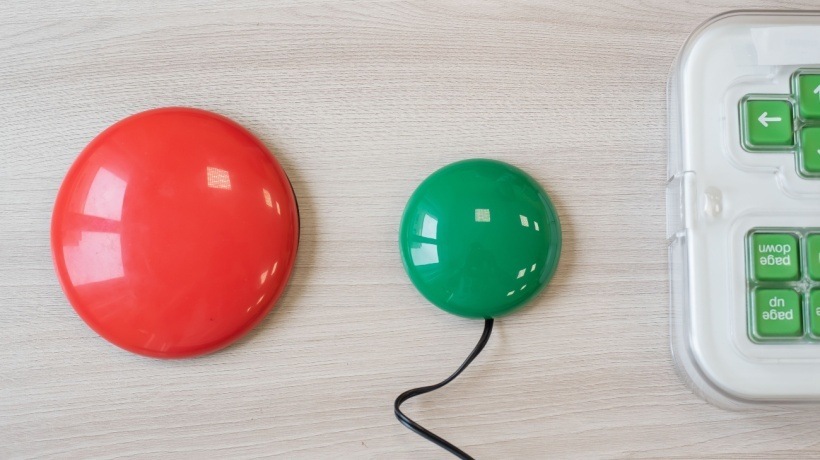
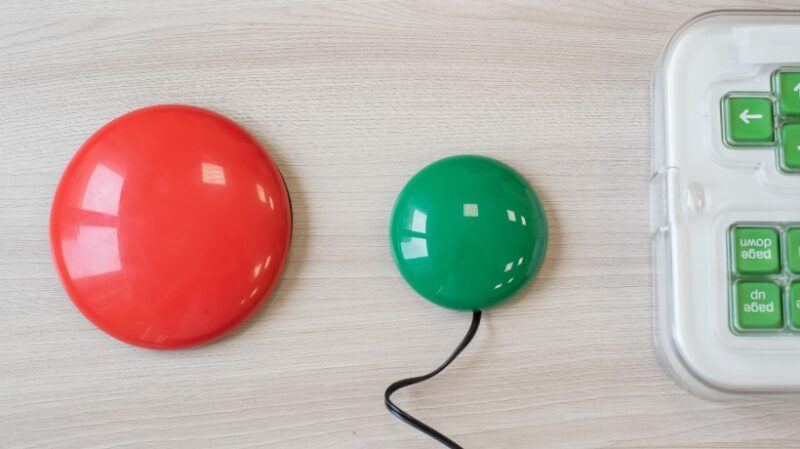
Voice recognition software. This allows students to navigate and interact with the course simply by using voice commands. Word Prediction Software. I’m familiar with this feature of my smartphone. Similarly, it can be used to help learners reduce types and prevent delays and physical distortions. Eye tracking software. Eye trackers can identify learners’ eye movements, control the mouse and interact with elements on the screen without using their hands. Alternate keyboard. Keyboards can take a variety of shapes suitable for the movements that learners are most pleased with their performance. For example, you might use a large keyboard, a one-handed keyboard, or an on-screen keyboard.
These technologies are of great value for learners. So make sure your courses are compatible with them and periodically check if updates are required. Finally, it provides clear instructions for learners on how to make the most of these tools and make the most of them.
4. Develop a customizable interface
The customizable interface optimizes and personalizes the learning environment to make it the perfect fit for your needs for learners with limited athletic ability. Some options that allow learners to unlock include the ability to adjust the layout of the tabs by resizing text, changing color schemes, adjusting the size of the action buttons . Also, consider allowing learners to rearrange modules or sections based on their learning priorities, making it unnecessary to easily access content of interest and scroll through unrelated sections. You can avoid it.
5. Simplify navigation
Streamlined navigation is required to help learners with limited athletic ability find the content they need with the smallest amount of action. Fortunately, there are many ways to achieve an intuitive and user-friendly navigation experience for all learners. Most importantly, add navigation menus to clearly accessed locations on the page. This horizontal or vertical bar contains links to chapters, appendixes, knowledge libraries, and other required pages that are required for quick access. Additionally, it allows learners to save progress and allows them to continue easily from where they left off.
6. Provide flexible deadlines and participation policies
E-learning designers often use deadlines and timers to keep learners vigilant and engage in the learning process. This technique does not actually work for learners with disabilities who may need extra time to complete simple tasks. A tight deadline will only cause anxiety for them and possibly lead to a departure. Therefore, implement flexible deadlines and participation policies so that learners can freely complete the course at their own pace.
7. Ensure comprehensive communication
For all learners in online courses, effective communication is important whether they are interacting with each other or with instructors and coordinators. To ensure that all learners are receiving equal treatment, learners with disabilities must also have access to the communication channels. Therefore, you should ensure that accessibility tools and assistant technology learners use it for interaction with the course. This allows learners with limited athletic ability to easily submit questions and receive feedback.
Conclusion
Supporting learners with mobility disorders who enjoy a satisfactory learning experience cannot be an afterthought in modern e-learning development. Committing to inclusiveness and taking the necessary steps to welcome all learners regardless of their disability or limitations must become a central pillar of online learning strategies. Special attention to course design, including navigation, compatibility with assistive technology, personalization, and comprehensive communication, can help you overcome mobility challenges. Implementing these strategies can help learners with disabilities achieve their learning goals through the course.
Download Accessible eLearning: Achieve it today to uncover more tips on how to address accessibility and enable all learners to be fully involved in the material and participate in the learning process Five ways to do this are important.
