


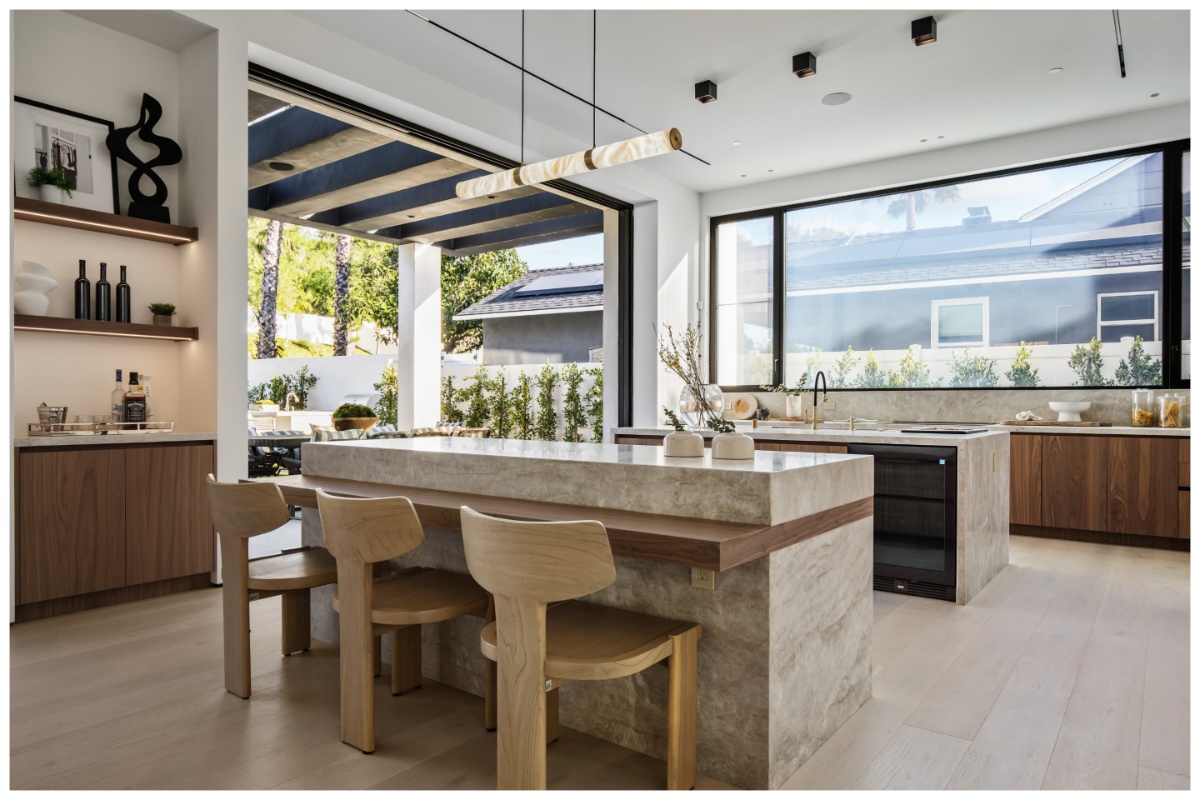
It doesn’t matter if you’re looking for a condo in Seattle or a new home in Milwaukee. If you scroll far enough through a real estate platform, you’ll notice a pattern emerge. Some lists feel alive. For some, it feels like paperwork.
Very little about the house itself.
Two properties with similar layouts, square footage, and price ranges can elicit completely different reactions from buyers, and boundaries can often be overlooked as they are as simple as photos. It’s not just whether photographs exist, but how those photographs are taken, composed, and presented.
Professional real estate photography is more than just documenting a home. It helps buyers shape how they feel about the home, form first impressions, imagine themselves in the space, and decide whether the home is worth exploring further.
Attention economics of home purchase
Buyers scour dozens, even hundreds, of online listings before speaking with an agent or booking a tour. Each one takes a few seconds at most to make an impression.
This is where professional photographers quietly do their heavy lifting.
A well-constructed image shows order. It tells potential buyers that what they are looking at is worth understanding. The lines are straight, the lighting is balanced, and the space can be seen at a glance. In contrast, poorly photographed images, such as tilted angles, blown out windows, and dimly lit corners, create friction. The brain has to work to interpret what it sees, but most buyers don’t care.
Alex Justice, CEO of Esoft, puts this in practical terms. “Professional photography is perhaps the most important marketing tool available to home sellers and their agents. Buyers need to understand the size, layout, flow, and appearance of a property. Professional photography conveys these qualities in a way that generic photography and other media typically cannot.”
Its transparency is not just beautiful. It’s functional. Buyers are making quick decisions about where to spend their time, and clear visuals make it easier to say “yes.” It also creates a more positive first impression, so buyers are more likely to engage with that listing instead of moving on to the next one.
Emotions come first, logic follows
We tend to think of home buyers as methodical decision-makers, carefully weighing features and price. In practice, this process is often performed in reverse.
First comes the emotional response. Then comes the reality of actually purchasing real estate.
Professional photography directly influences that first step. It creates an atmosphere that cannot be expressed by numbers alone. A bright, evenly lit room gives an open and calming impression. Carefully framed shots of the backyard suggest endless possibilities as a space for gathering, privacy, or simply taking a break from everything else.
Cole Connor, founder of Bow Real Estate Media, sees how consistently this dynamic plays out: “The best images don’t just document a property, they tell its story and help buyers imagine everything from a quiet morning in the kitchen to an evening spent with family in the backyard before walking in the front door.”
That imagined experience is what motivates buyers to click, save, and schedule. Without it, even powerful properties can stall.
From images to stories
The emotional impact of professional photography is more than just a single image. It comes from how the entire list works together to tell a story.
Here, professional photography extends beyond individual images to a broader system that includes video walkthroughs, aerial photography, floor plans, and more. The combination of these factors gives buyers something close to a real understanding of the home before they visit.
Jason Laventure, Founder and CEO of RTV, Inc., emphasizes this multi-layered approach, saying, “The best listings don’t just showcase the home, they tell its story. Professional photography is the foundation, but when combined with video, aerial photos, floor plans, and a dedicated property website, buyers are more likely to form an emotional connection before they walk in the door.”
The result is an informed buyer. They’re not trying to piece together a house. They are confirming what they believe they already understand.
That shift is important. This shortens decision-making cycles and reduces uncertainty. Both are important in a competitive market.
Professional photography is a necessity, not a luxury.
One of the persistent misconceptions in the real estate industry is that professional photography is limited to high-end homes.
In reality, this is more of a baseline requirement.
All listings exist in the same digital environment and compete for the same attention. A mid-priced home with strong visuals is likely to perform better than a higher-priced home with a weaker image simply because more buyers will be involved in the first place.
Cole Connor puts it bluntly: “Professional real estate photography isn’t just for luxury homes; it’s appropriate for any property.”
For sellers, skipping professional photography isn’t about saving money, it’s about reducing visibility of the most important moments.
conclusion
Once you remove the technology and strategy, the role of professional photography becomes very simple.
It helps buyers connect with the home.
Before buyers consider things like square footage, interest rates, and relocation schedules, they’re already forming an impression of what a home feels like. Professional photography helps create such an impression by making it easier to imagine everyday life in the space and understand its possibilities.
In a market defined by speed and competition, that emotional connection can be the difference between a buyer scrolling past your listing or deciding to take the next step.
And in most cases, it all starts with a single image.
