


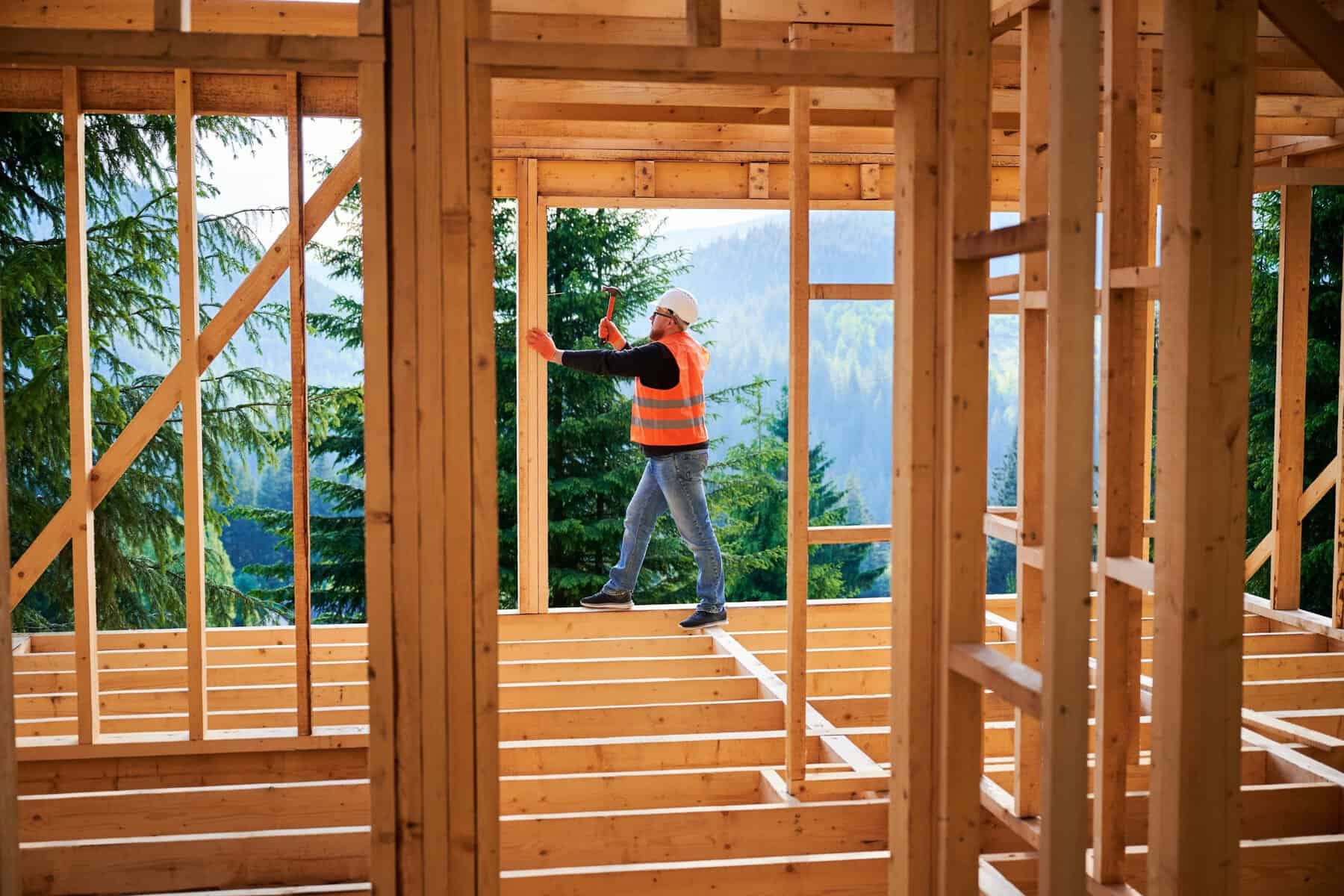
Whether you’re buying a home in Austin, Texas, building a custom home in Bozeman, Montana, or considering a new townhome in Charlotte, North Carolina, choosing between a new home and an existing property isn’t always easy. Newly built homes often have modern layouts, energy-efficient systems, and fewer immediate repairs, but they can also have higher initial costs, longer schedules, and decisions that require careful planning.
Understanding the pros and cons of a new home can help you decide whether a new home fits your budget, lifestyle, and long-term goals. We asked home builders and construction experts to share what buyers should consider before signing a contract.
Advantages of purchasing a newly built home
New construction homes are becoming more popular as buyers seek energy savings, low maintenance and flexible living spaces. Here are some of the biggest benefits.
1. Modern layout to suit modern lifestyles
While many older homes were built with compartmentalized rooms and small kitchens, new construction often emphasizes open-concept living, flexible home offices, larger primary suites, and improved indoor-outdoor flow.
These floor plans can be a big selling point for buyers looking for a home that better matches the way families live today.
Ryan White, Vice President of Sales and Marketing at Advantage Homes, explains: “New construction homes offer many benefits, including modern floor plans, energy-efficient features, reduced maintenance costs, and the opportunity to customize floor plans, finishes, and design choices to fit your needs.”
>> Read: Open Floor Plans vs. Closed Plans: Key Differences Explained
2. Improved energy efficiency can reduce utility costs
One of the biggest benefits of new construction is that the home is built to current building and energy codes. New insulation, windows, HVAC systems, and appliances are typically more efficient than those in older homes, lowering your monthly energy bills and increasing your year-round comfort.
Kamal Haider, CEO of Breakthrough Builders, said, “California’s structural and energy codes are updated every three years, and new homes comply with the latest standards. New homes are also easier to maintain, offer modern floor plans, improved energy efficiency, and warranties from the builder and manufacturer.”
Energy savings vary by climate and home design, but buyers comparing monthly costs of ownership should factor in potential savings in heating, cooling, and home maintenance costs. It’s not just the purchase price.
3. Requires less maintenance during the first few years
Unlike older homes, which may need a new roof, HVAC replacement, or plumbing updates soon after purchase, new homes typically have brand-new systems and materials. This means fewer unexpected repair costs early on, allowing many homeowners to focus their budget on furnishing and settling into their new home instead of replacing aging components.
“New construction requires less overall maintenance and home warranties because new materials are used, which also gives you peace of mind,” says White.
4. Even more peace of mind with our builder’s warranty
Many new homes include warranties that cover a specified period, workmanship, structural components, and certain mechanical systems. Coverage varies by builder, but these warranties can help owners reduce repair costs during the first few years.
“New home construction often comes with a builder’s warranty, giving you added peace of mind,” says Nick Buke, owner of Texas Living Homes. Understanding exactly what is and isn’t covered before closing can help buyers avoid surprises later.
5. Personalization lets you create a home that fits your needs
One of the best parts of building from scratch is the ability to customize finishes, layout, cabinetry, flooring, lighting, and other design features before you move in.
Beuke explains, “Purchasing a new custom home gives you the opportunity to create a space that truly feels like yours, from imagining the floor plan and ideal square footage to the design details and finish choices.”
He added, “It’s about creating a home designed around the way you and your loved ones live, gather, and grow.” For buyers who have struggled to find an existing home with the right layout, customization can eliminate the need for expensive renovations later.
Disadvantages of purchasing a newly built home
There are many benefits, but you need to carefully weigh the pros and cons of building a new home. Depending on your priorities, some of the disadvantages may outweigh the advantages.
1. High initial cost and upgrade cost
Many advertised base prices do not include premium flooring, upgraded countertops, landscaping, appliances, lighting, or other popular options that buyers often select during the building process.
Customization is appealing, but upgrades can significantly increase the final purchase price. White points out, “Building a new home requires more time and decision-making and may require more home upgrades, which can impact the price of your home.”
Ask for a detailed breakdown of standard features and optional upgrades to understand your entire investment before signing the contract.
2. Construction schedules are not always predictable
Unlike purchasing an existing home, where you have a known completion date, new construction projects can experience delays due to weather, labor shortages, permits, home inspections, material availability, and more.
“These homes may not be approved or construction may be delayed,” Haider warned. If you’re coordinating the sale of your current home or relocating for work, it’s worth building flexibility into your schedule in case construction takes longer than expected.
3. Landscaping and neighboring facilities may still be under development
Many buyers envision mature trees and established landscapes, but it often takes several years for a new community to fully grow into its environment. Haider notes that new homes may include “newly planted or undeveloped landscaping.”
In some neighborhoods, parks, shopping centers, schools, and community facilities may still be under construction, which may temporarily impact amenity and reduce attractiveness.
4. Building a house requires patience and a lot of decisions.
Custom homes offer flexibility, but buyers must make dozens or even hundreds of decisions throughout the building process. From choosing flooring to approving change orders, the process can seem complicated for buyers who prefer a simpler transaction.
Beuke explains: “Building a custom home requires thoughtful planning and patience throughout the process, but the reward is building a one-of-a-kind home that is truly yours from the start.” If you love design and planning, you’ll enjoy this process. If you want to move quickly and make fewer decisions, an existing home may be a better option.
Is a newly built home worth it?
The answer depends on your priorities. If low maintenance, energy efficiency, customization, and modern home features are most important to you, buying new can provide great long-term value. On the other hand, if you’re focused on an established area, mature landscape, or moving on a shorter timeline, an existing home may be a better option.
Nancy Greenwald of the Construction Institute encourages buyers to look beyond the purchase price. “Purchase price is only one determining factor; equally important are the long-term costs of ownership, including maintenance, repairs and energy consumption.”
“Ultimately, the question is not simply which option has the lowest cost, but which provides the greatest overall value by balancing financial considerations, lifestyle preferences, and long-term benefits,” she added.
When weighing the pros and cons of a new home, consider how long you plan to stay in it, your tolerance for home improvements, monthly operating costs, and how important personalization is to you. Focusing on the overall cost of ownership, not just the initial price, will help you choose the home that best supports your future.
>>Read: 7 things you need to know before building a custom home
