


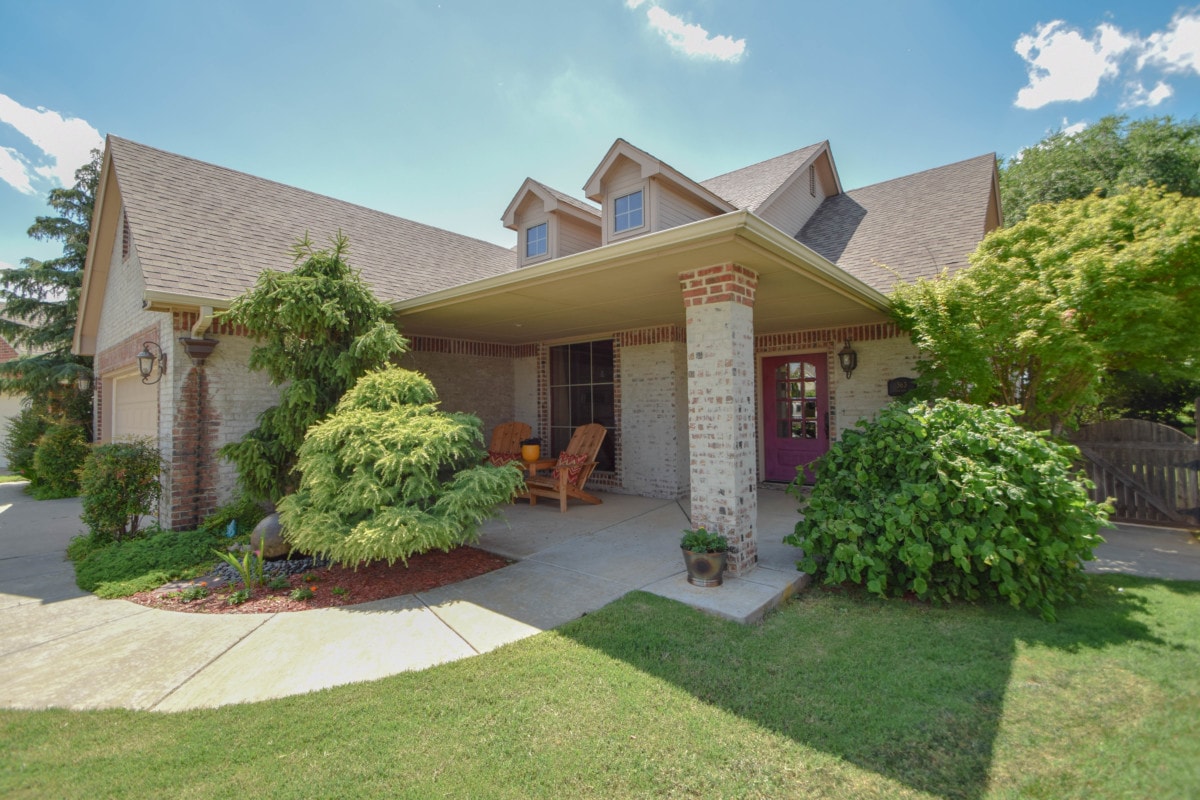
As more adults choose to continue living in their homes into their later years, aging in place has become an important consideration for families, caregivers, and homeowners alike. Living at home provides irreplaceable comfort, independence, and a sense of normalcy for seniors. In fact, AARP research shows that three-quarters of adults over 50 want to remain in their homes as they age.
However, as mobility, vision, and daily needs change over time, even familiar spaces may need updating to remain safe and functional. Many of us won’t be able to live independently forever, but making the right home modifications can make our daily lives easier. Whether you live in a one-story condo in Dallas, Texas, or a three-story house in Portland, Oregon, there are changes you can make to any home to make your daily tasks a little easier.
useful home remodeling
As we age, our bodies and abilities change, and not all homes are designed to support this challenge we face. Doorways are often too narrow, bathrooms too small, floors slippery, and kitchen cabinets too high to reach.
Optimizing your home for safety and comfort is an important part of helping your aging loved one remain independent for as long as possible. From simple updates to major remodeling projects, making the right changes can help you move around your home more easily and complete everyday tasks with confidence.
Common home modifications to aid mobility
Install handrails: Add support along stairs, hallways, bedrooms, and bathrooms to improve balance. Upgrade your lighting: Improve visibility with brighter LED bulbs, touch-operated lamps, and night lights. Installing a Lever Door Handle: Replace your round doorknob with an easy-to-use lever handle. . These don’t require the same level of grip. Install a stairlift: This is a great alternative if you’re having trouble climbing the stairs. Install light switches at the top and bottom of the stairs to prevent your loved ones from using the stairs in the dark. Install automatic blinds: Allow seniors to adjust blinds without having to stand, reach, or bend. Create an open floor plan: Widen aisles to reduce clutter and improve mobility. Replace hardwood, tile, laminate, or vinyl flooring with carpet. If you don’t need a wheelchair, add a softer, more stable surface.
for living room
Rearrange furniture and remove clutter: Clear aisles to reduce tripping hazards. Install non-slip mats: Add rug grips or strips to improve traction and prevent slipping. Replace unstable furniture: Remove loose parts and install bumpers on sharp edges.
for kitchen
Keep everyday items within easy reach: Store essentials between waist and shoulder height. Consider purchasing a stove with an automatic shut-off feature. This reduces the safety risks of leaving the stove on. Install hands-free faucets and anti-scald devices: Make water use easier and prevent burns. Replace kitchen cabinets and adjust counter and sink heights. Add drawer storage and choose a height that is comfortable for sitting. Adjust the location of major appliances: Place the oven, sink, and refrigerator within easy reach.
for bathroom
Add adhesive strips to your shower or bath mat. This will prevent you from slipping on wet surfaces. Install anti-slip strips in case the floor becomes slippery. Avoid ceramic tiles as they can be slippery when wet. Install a walk-in bathtub or portable shower bench. This greatly reduces the chance of slips and falls. It may be more difficult to get in and out of a traditional bathtub or stand for long periods of time. Install handrails or handrails near bathtubs and toilets. Provides additional support and prevents falls. Install a raised toilet seat: A raised toilet seat reduces the distance you have to stand and sit.
for the exterior of the house
Create at least one step-free entrance to your home. Add a ramp to make getting in and out of your home easier. Add outdoor and landscape lighting: Improve visibility of sidewalks and stairs. Install handrails: Add handrails to both sides of the walkway for added support and balance. Choose low-maintenance materials: Choose vinyl siding, metal roofing, composite decking, and low-maintenance landscaping materials. Install a security system: A home security system can give your loved ones a sense of security and protection.
How to pay for home renovation costs
Although the initial costs of remodeling can add up quickly, remodeling your home is ultimately one of the most financially sound decisions your family can make.
“From an economic standpoint, retrofitting is one of the smartest home improvements you can make,” says Brandon Blakely of Mirador Living. “Investing a few thousand dollars in handrails, railings, and better lighting can keep seniors safe in their homes for years.” “The average cost of assisted living is $6,000 per month. Considering that it’s more than a dollar, this is an investment that will pay for itself many times over.”Of course, if you have a large multi-storey property that requires a structural overhaul that costs too much, it may be worth calculating whether it’s the right time to downsize your home to a simpler single-story floor plan to avoid the stress of a major renovation altogether.
We highly recommend investigating local and national aid programs to help offset the initial renovation costs. Financial assistance is often available through resources such as Medicare Advantage, non-Medicaid government assistance, Medicaid HCBS waivers, veterans programs, and various nonprofit organizations. These groups may offer home improvement grants, equipment loans, or low-interest financing options.
When crunching the numbers, keep in mind that the total cost is divided into two components: labor and materials. This is an important distinction to make when planning, as the labor costs associated with installing specialized equipment are often not covered by standard insurance.
Building a support system with senior care and services
Building a support system for your loved one is a big part of aging well. In addition to support from your family, you may want to consider senior care and services for your aging parents. A network of services is available, including meal delivery, nursing, transportation, and house cleaning services.
Home care services are also provided at different levels depending on the situation. On the days you are away, your elderly companion can spend time with your loved one to prevent social isolation. Home caregivers can make sure your loved one is safe at home while helping with daily activities such as cooking, grooming, and shopping.
Bringing technology into your loved one’s home
Assistive technology solutions, smart home features, and high-tech gadgets can simplify daily tasks, increase independence, and help you stay safe as you age. There are all kinds of devices, including medical alert devices that signal for help, assistive seating devices that lift your loved one into a standing position, and smart light bulbs that can be controlled remotely.
Individual results may vary.
This is not a substitute for the services of a licensed and bonded residential service professional.
Redfin does not provide medical advice.
All materials provided on the Redfin Blog, including text, treatments, dosages, results, graphs, patient profiles, graphics, photographs, images, advice, messages, forum posts, and other materials provided on the Redfin Blog, are for informational purposes only and are not intended to be a substitute for professional medical advice or treatment. Always seek the advice of your physician or other qualified health provider with any questions you may have regarding your health. Never disregard professional medical advice or delay in seeking it because of something you have read on Redfin’s blog.
If you think you may have a medical emergency, call your doctor or 911 immediately. Redfin does not recommend or endorse any specific tests, physicians, products, procedures, opinions, or other information mentioned on Redfin’s blog. Reliance on any information provided by Redfin Blogs, persons invited to appear on Redfin Blogs, or other members is at your own risk.
