



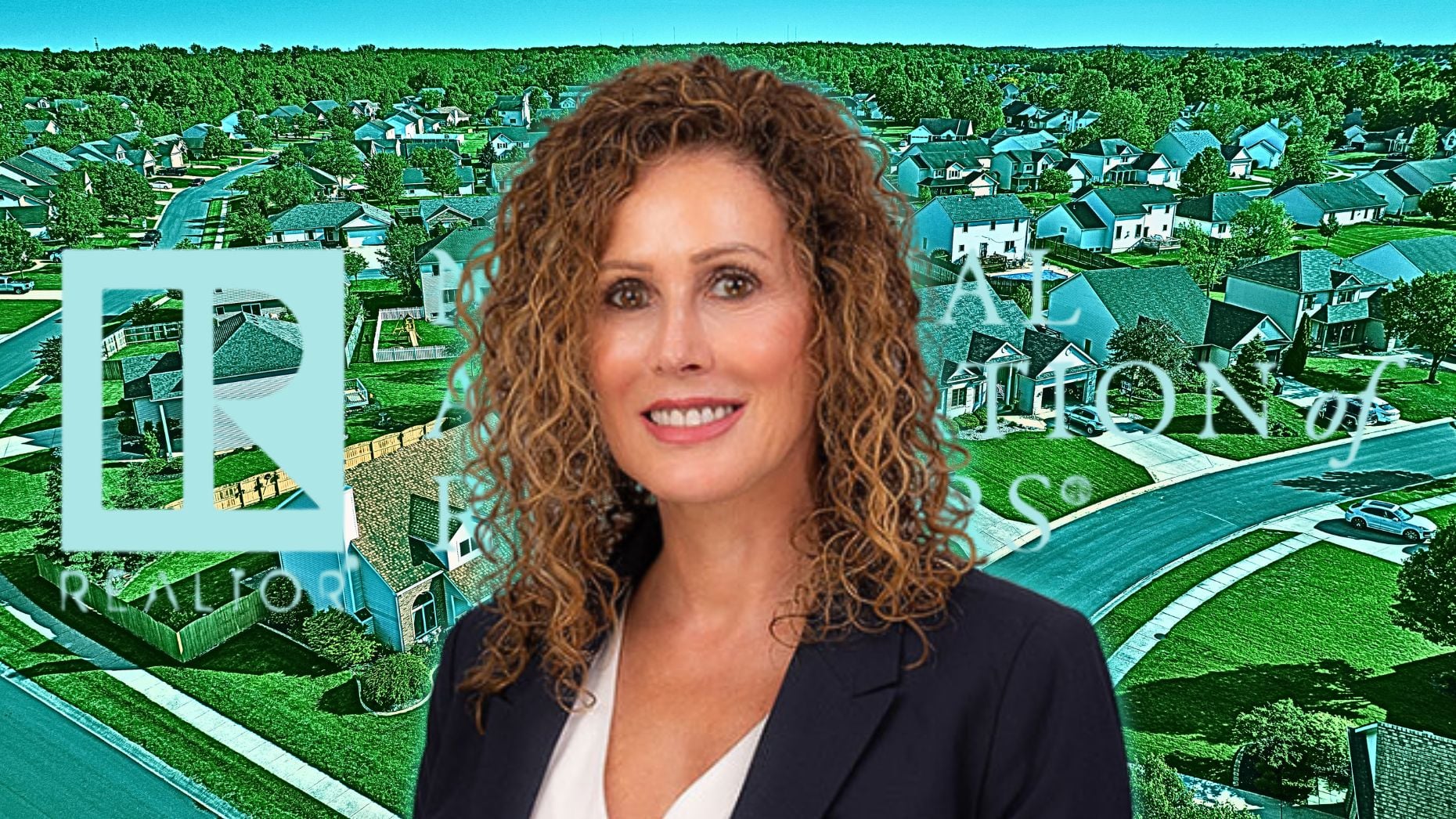
Doreen Spagnuolo writes that real estate associations have options. Either evolve proactively and help shape the future, or risk falling behind.
The real estate industry is rapidly evolving across the country, and associations need to evolve with it.
Consolidation among major brokerages is accelerating, with Compass’ $1.6 billion acquisition of Anywhere Real Estate, Rocket’s $1.75 billion deal with Redfin, Real Brokerage’s $880 million acquisition of REMAX, and more. Consider eXp Realty’s deal with NextHome — and companies are building a full-service ecosystem that provides agents with everything from marketing and technology to training and operational support.
This change raises important questions about where real estate agent associations fit in and how they can remain an integral part.
How do agents view NAR?
According to research by the National Association of Realtors (NAR), members continue to value the services their local associations provide, especially education, networking, and advocacy. This is a strong foundation, but it’s not enough.
The expectations of today’s brokers and agents continue to change, driving demands for greater innovation, efficiency and support. Small, fragmented organizations will find it increasingly difficult to keep up with the level and scale of services needed to remain meaningful partners.
Thoughtful integration provides a path forward
By joining forces, associations can pool resources, eliminate duplication and invest in high-quality services that truly support both agents and intermediaries. Larger, more integrated associations are better positioned to offer sophisticated tools, stronger educational platforms, and more responsive member services.
At the same time, small associations provide local insight and personalized support that real estate professionals value and trust. This is not just a matter of efficiency. It’s about relevance.
According to the 2025 NAR report, brokers cited housing affordability (56%) as the biggest challenge facing businesses over the next two years, followed by rising costs, technology demands and profitability concerns.
In a separate 2025 study, NAR also found that only 38% of real estate agents strongly agreed that their brokerages provide the technology tools they need to succeed, highlighting the growing need for stronger operational and technology support across the industry.
The numbers say it all. As challenges become more complex, strong associations can provide real estate professionals with the tools and support they need to effectively serve consumers and succeed in a rapidly evolving market.
There is also a clear opportunity to better define roles. As major brokerages focus on growing their businesses and recruiting talent, associations can lead the important but time-consuming work that supports agents on a daily basis. This includes assisting with tracking continuing education requirements, ensuring compliance with codes of ethics, and providing timely guidance regarding licensing and regulatory obligations.
Associations act as a reliable backstop, keeping agents informed, compliant, and supported, so intermediaries don’t have to divert resources to those areas.
Additionally, the association plays an important role in providing the latest legal, regulatory and risk management information. In a complex and ever-changing environment, such guidance is not only helpful, but necessary.
speak with one voice
Perhaps most importantly, consolidation will strengthen the voice of the industry as a whole. A more unified association structure brings together a larger membership base and creates greater influence in advocacy efforts. A strong, coordinated voice is essential to protect the interests of the industry and the businesses within it, large and small, at the local, state, and national levels.
We are already seeing examples of forward-thinking organizations taking this step. The combination, which includes Miami Realtors and Palm Beach/Broward Realtors, demonstrates a desire to transcend traditional boundaries and create an organization with the scale and capabilities to meet the future head-on.
These are not organizations that are afraid to take a stand. They are aware of where the industry is heading and are acting accordingly.
Concerns about identity and local control will always exist and they should be respected. But the reality is that the industry is already consolidating around us. Associations have options. Either actively evolve and help shape the future, or risk falling behind.
Integration does not mean losing the value of the association. It is about strengthening the Realtor Association so that it can continue to serve its members in meaningful and impactful ways for years to come.
Doreen Spagnuolo is CEO of the Long Island Association of Realtors. You can connect with Doreen on Instagram and LinkedIn.
