


In a controversial conversation provided by The New York Times and recently discussed in The Atlantic, streamer Hasan Pikar hinted that he might steal the car if there were no consequences. Author Gia Tolentino also casually admitted in an interview that she shoplifted lemons from Whole Foods. Petty thefts are common, but the interview footage quickly went viral because the justification for the looting felt oddly forced.
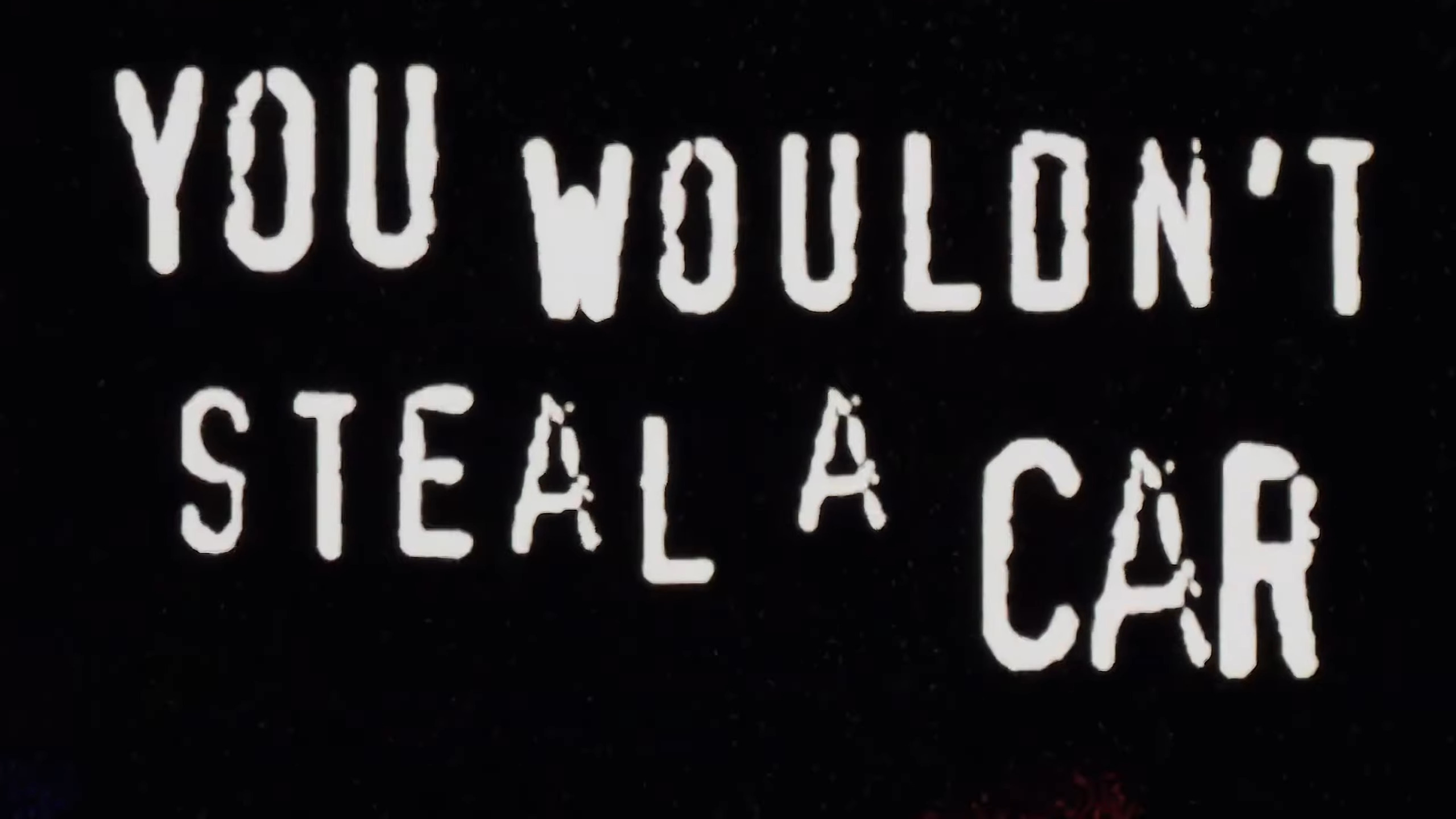
Piker was referring to the iconic anti-piracy campaign, which used a moral tone (rather than rational arguments) against the acquisition of physical property to try to persuade people to further control their impulses and not copy music without paying. The anti-piracy clip “You wouldn’t Steal a Car” demonstrates the implicit assumption from 2004 that American society is generally agreed upon regarding the stability of physical property. In other words, most Americans do not believe that property is theft.
In The Property Species, Professor Bart Wilson argues that property is not just a legal construct, but a deeply embedded social practice. Humans develop a common understanding of what is “mine” and “what is yours,” and these norms allow cooperation to extend beyond small groups. Property does not simply mean ownership. It also has to do with coordination.
From that perspective, casually dismissing theft as “no big deal” is neither morally nor economically neutral. It chips away at the common expectations that make exchange possible.
Markets depend on more than price. They rely on trust that boundaries will be respected. This insight reflects a long tradition. Adam Smith, who is often cited in his theory of the invisible hand of the market, also emphasized the importance of justice. Before markets can allocate resources efficiently, people must avoid taking things that don’t belong to them.
A recent paper with Bert Wilson, “Never steal a car: Moral intuitions about intellectual property,” tests how people think about taking different types of goods. As mentioned in “Everyone Takes a Copy,” human subjects in the lab were quick to label the removal of material possessions as “theft.” The players all thought that was unacceptable within their small group. No one wants to have their things taken away from them, and all humans have the concept of “mine.”
Much of our rule-following is done out of a sense of obligation, and once we lose it, it can be difficult to recover. Russ Roberts made a similar point many years ago in his EconLog column about the theft of Napster downloads. He wrote:
“We know that it’s not just the threat of being caught and punished that makes people legally pay money rather than steal something. There are other costs to stealing than just financial costs. Some people feel guilty about getting something for free. After all, people choose not to litter, even on deserted mountain roads.
Much of following rules is voluntary. It is maintained by internalized norms rather than external coercion. That’s why the casual erosion of these norms should concern us.
What does Piker think of a world in which the “micro-predation” he claims to be sanctioning occurs on a grand scale? Ambiguity over property rights has real-world consequences, such as increasing prices to cover downsizing and closing stores in high-crime areas. These costs are often borne disproportionately by those who are already disadvantaged.
Once norms deteriorate, they are difficult to rebuild at both regional and national scales. This is easily seen in countries without strong property systems. Countries with weak property rights struggle to attract investment and sustain economic growth. The difficulty of reversing this decline is not just theoretical. It can be seen in the decades-long efforts of countries to actively try to repair their institutions. Colombia provides one example. As Omar Hernandez points out in his discussion of the country’s reforms, building a reliable real estate system is a long and difficult process.
“Although Colombia has implemented reforms to improve the investment climate and strengthen respect for property, there is still a long way to go for stronger and more reliable protection,” Hernández wrote.
Hernandez and many development economists have expressed a desire to move the population as a whole into a state of equilibrium with stronger property rights and less tolerance for theft.
“For Colombia to move towards a freer and more prosperous system, it is important to strengthen the institutions responsible for protecting these rights and to promote transparency in ownership and restitution processes. Only a strong property rights framework will guarantee the legal certainty necessary to foster investment and economic development.”
