


Whether you’re considering a Seattle rental property or a Round Rock home for sale, this Redfin article will show you how to use budget smart home devices and tips to improve your living space without draining your finances.
Smart home technology offers convenience, security, and significant energy savings. Choosing the right product and carefully implementing it is the key to a cost-effective upgrade. By following these seven important steps, anyone can seamlessly transition their home to a smarter, more efficient home.
1. Explore the companion app
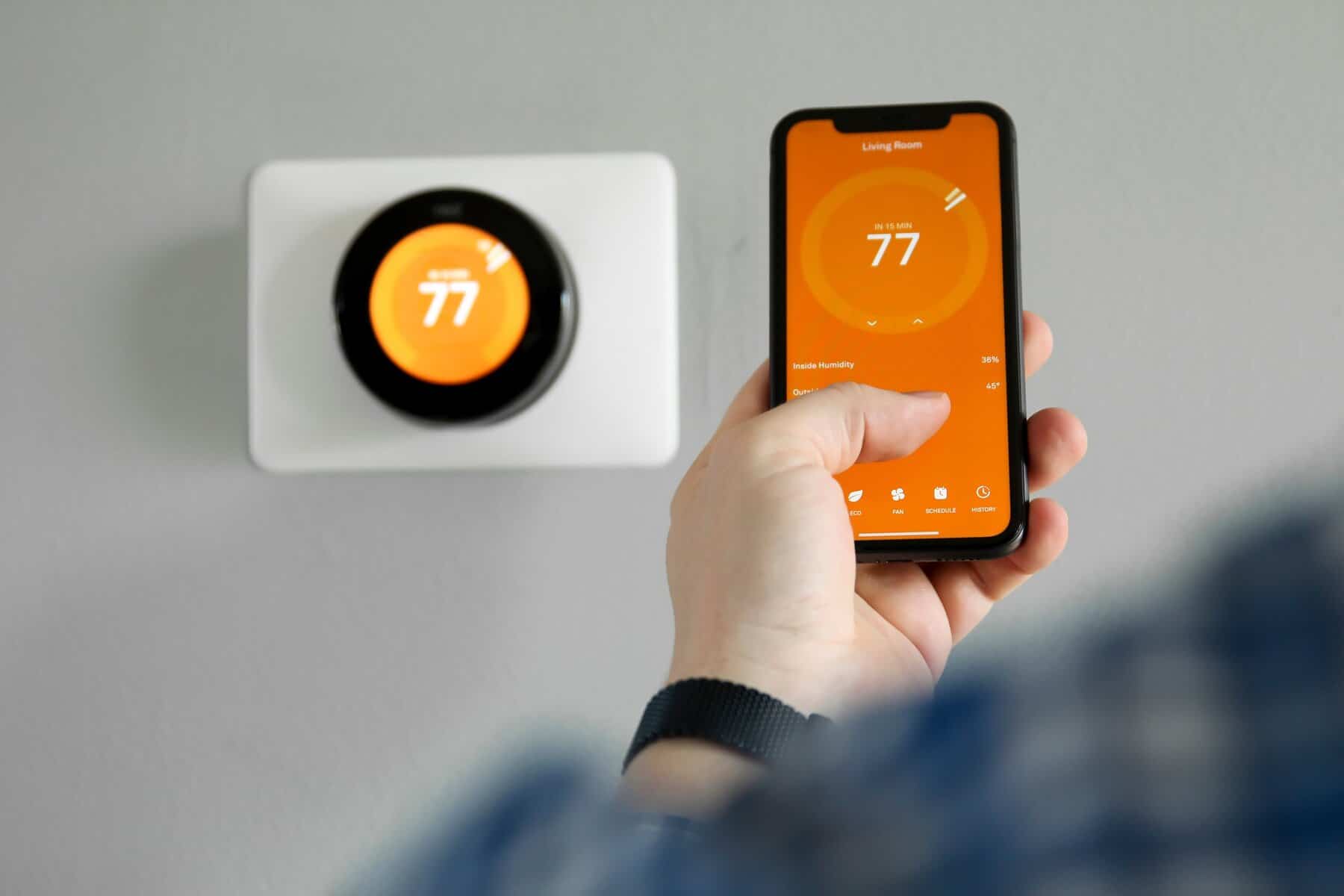
Smart home devices often rely on dedicated companion apps for setup and management. “Before you decide to purchase a smart home device, check the ease of use of the companion app,” suggests Stormotion co-founder Roman Bord. If possible, download and test smart home apps or read reviews that focus on ease of use, stability, and feature set. Devices with robust physical hardware can be hampered by poorly designed apps.
“With well-built applications, you can create a smart home ecosystem throughout your home and get long-term value from your devices,” said Bode. Look for apps that offer centralized management, clear onboarding instructions, and regular updates to ensure security and compatibility.
2. Consider which smart hub is right for you
A smart hub acts as the brain of connected devices and enables communication between them. Choosing the right hub is critical to building a cohesive and budget-friendly ecosystem. Rob Wassink of UK-based lighting retailer Qub recommends “focusing on devices that use open standards like WiFi and Zigbee, so you’re not locked into one ecosystem that can be scaled up incrementally.”
Major platforms such as Amazon Alexa, Google Home, and Apple HomeKit offer varying levels of compatibility and functionality. Choose a hub that supports the communication protocols of your planned devices to avoid purchasing incompatible technology later.
Kevin McAleer of Kev’s Robots shares how there are assistants outside of the major brands and recommends Home Assistant Green as an open source smart home hub.
3. Purchase smart home products
When shopping for affordable smart home devices, focus on basic devices that offer the best return on investment in terms of practicality and efficiency, such as:
smart light. Start by deploying smart light bulbs in high-use areas, then remotely control and schedule your lights. “Under-cabinet smart lights can completely change the look of your kitchen,” says Dennis, founder of VerLuce. He suggests “setting a daily routine through a smart home app so that cabinet lighting automatically adjusts to your preferred color temperature and brightness.” smart thermostat. They learn your habits and automatically adjust the temperature, significantly reducing heating and cooling costs. Smart switches and plugs. Convert your existing non-smart appliances (like lamps and coffee makers) into connected devices without having to replace them. Air purifiers: Automate air quality control based on time of day or internal air sensors. Ask for open standards. Prioritize devices that support current open connectivity standards, such as Matter and Thread, to ensure long-term compatibility across different ecosystems. Monitor sales. Budget-friendly devices are often heavily discounted during major retail holidays, giving you the opportunity to expand your setup for less.
When it comes to creating a space where smart devices truly shine, Home-A-Genius says: “Most homeowners don’t start creating a fully automated home right away. They usually start with a few key devices that make an immediate difference.” Some of the devices Home-A-Genius recommends are Philips Hue smart lights and Home-A-Genius smart switches.
4. Install the device and schedule shortcuts and timers
Proper installation ensures optimal performance. Once installed, take advantage of the automation features right away. Rob Skuba from National Smart Home shares how smart home automation can help you create a home where “lights adjust without you thinking, music is already playing when you walk in,” and a home that “reacts instead of being controlled.” Using the companion app or smart hub interface, you can easily:
Schedule a timer. You can program your lights and thermostat to turn off or adjust when you’re usually asleep or away from home. Create shortcuts (routines). Set up routines like a “Good Morning” shortcut that raises the thermostat, turns on the lights, and starts brewing coffee with a single voice command. Implement geofencing. Use location services to automatically adjust your smart devices upon arrival or departure to maximize energy efficiency.
5. Protect your setup: Top smart home security tips
Ensuring the security of your smart home is paramount, even if you’re on a budget. Every connected device is a potential entry point for unauthorized access. To ensure a secure setup, implement the following practices:
Use strong passwords: Immediately change the default password on all new devices. Use unique and complex passwords for your Wi-Fi network and device accounts. Enable two-factor authentication (2FA): When available, 2FA adds an important layer of protection to your device account. Isolate devices: If possible, place smart devices on a separate guest or Internet of Things (IoT) network to isolate them from your primary computer and sensitive data.
6. Future-proof your home: Seamlessly integrate new devices
A budget approach does not mean sacrificing future growth. Plan your smart home with scalability in mind.
Please choose a compatible brand. Use a device brand known for cross-platform support and continuous software updates. Step-by-step investment. Instead of buying many low-cost unconnected devices at once, invest in high-quality core pieces that can be integrated with as many different products as your budget allows. Evaluate new protocols. Stay up to date with connectivity standards (such as Matter) that promise to ease integration between different manufacturers, making future integrations hassle-free.
7. Maximize your savings: Use automation to improve energy efficiency
The real cost savings with smart homes come from automation. Use your device to minimize energy waste.
Optimize your thermostat settings. Tweak your smart thermostat’s scheduling features to avoid heating or cooling your vacant home. Save money on your energy bills every time you adjust your thermostat. Automate power-hungry devices. Use smart plugs to completely shut off power to devices that consume “phantom load” power (entertainment systems, chargers, etc.) when not in use. Monitor usage data. Leverage the energy monitoring features built into smart plugs and companion apps to identify which devices consume the most power and adjust your usage patterns accordingly.
>> Read: Future-proof your home: Smart home energy management ideas for 2026
Now you’re ready to automate your home
Smart home devices are an accessible way to upgrade the functionality and value of your home without making a major investment. By strategically selecting affordable smart home devices and tips that prioritize compatibility, security, and energy savings, you can create a truly intelligent and cost-effective living environment.
>> You may also be interested in reading Does smart home automation increase home value?
