


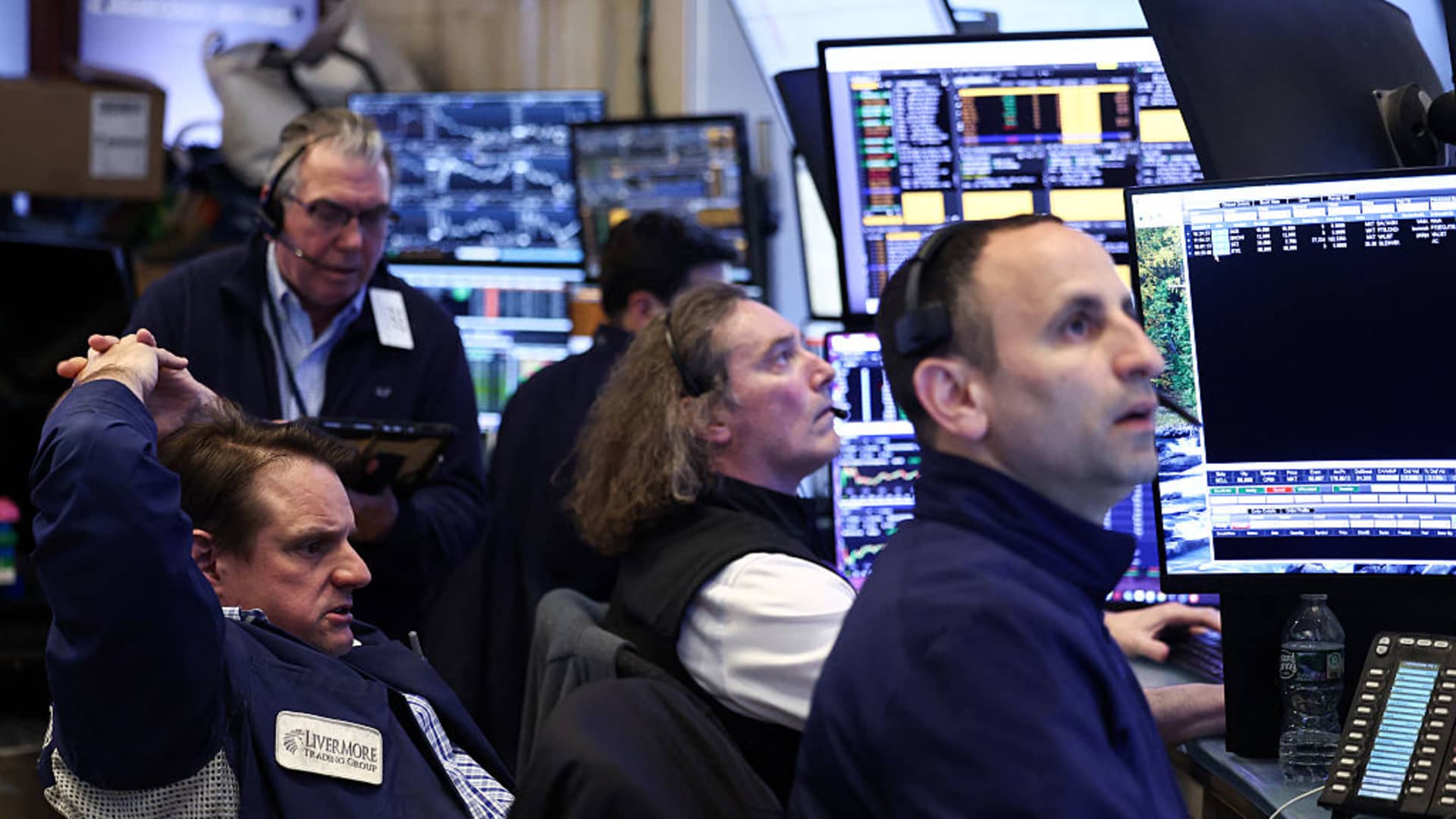
Investor pessimism has risen to its highest level in nearly a year, according to Bank of America’s latest Global Fund Manager Survey, a development that could paradoxically signal further gains for risk assets. Chief investment strategist Michael Hartnett said sentiment fell to its most bearish reading since June 2025, with the bank’s composite index based on cash levels, equity allocation and global growth expectations plummeting to 3.7 in April from 5.6 the previous month. Global growth expectations fell by the most since March 2022, while inflation expectations rose to their highest level since May 2021, according to the survey. The poll was conducted from April 2nd to April 9th and received responses from 193 investors who manage $563 billion in assets. Most of the research period was conducted before the recent Ceasefire headlines and subsequent market rebound, suggesting that the findings may already be somewhat dated. Hartnett said such extreme pessimism has historically served as a contrarian indicator for the market, and previous weak sentiments have coincided with important turning points for stocks, such as October 2023 and April 2025. Wall Street has already shown resilience in the face of rising geopolitical tensions. Major stock averages have posted solid gains since the start of the week, with the S&P 500 erasing losses related to the Iran conflict after negotiations between the US and Iran broke down over the weekend. .SPX YTD Mountain S&P 500 Year-to-date Index “As long as the cease-fire brings oil prices below $84 a barrel, all contrarians are positive for risk assets, but it’s not a ‘buy blind'” Hartnett said. Investors have not completely surrendered, with cash levels remaining at 4.3% and positioning still tilted towards global equities. About 70% of respondents said they don’t expect a recession, suggesting a deeper wash of sentiment may be needed to point to a definitive bottom. Hartnett said the key to a bullish scenario unfolding would be support from lower interest rates and better-than-expected corporate profits, as well as easing geopolitical tensions and falling oil prices.
