



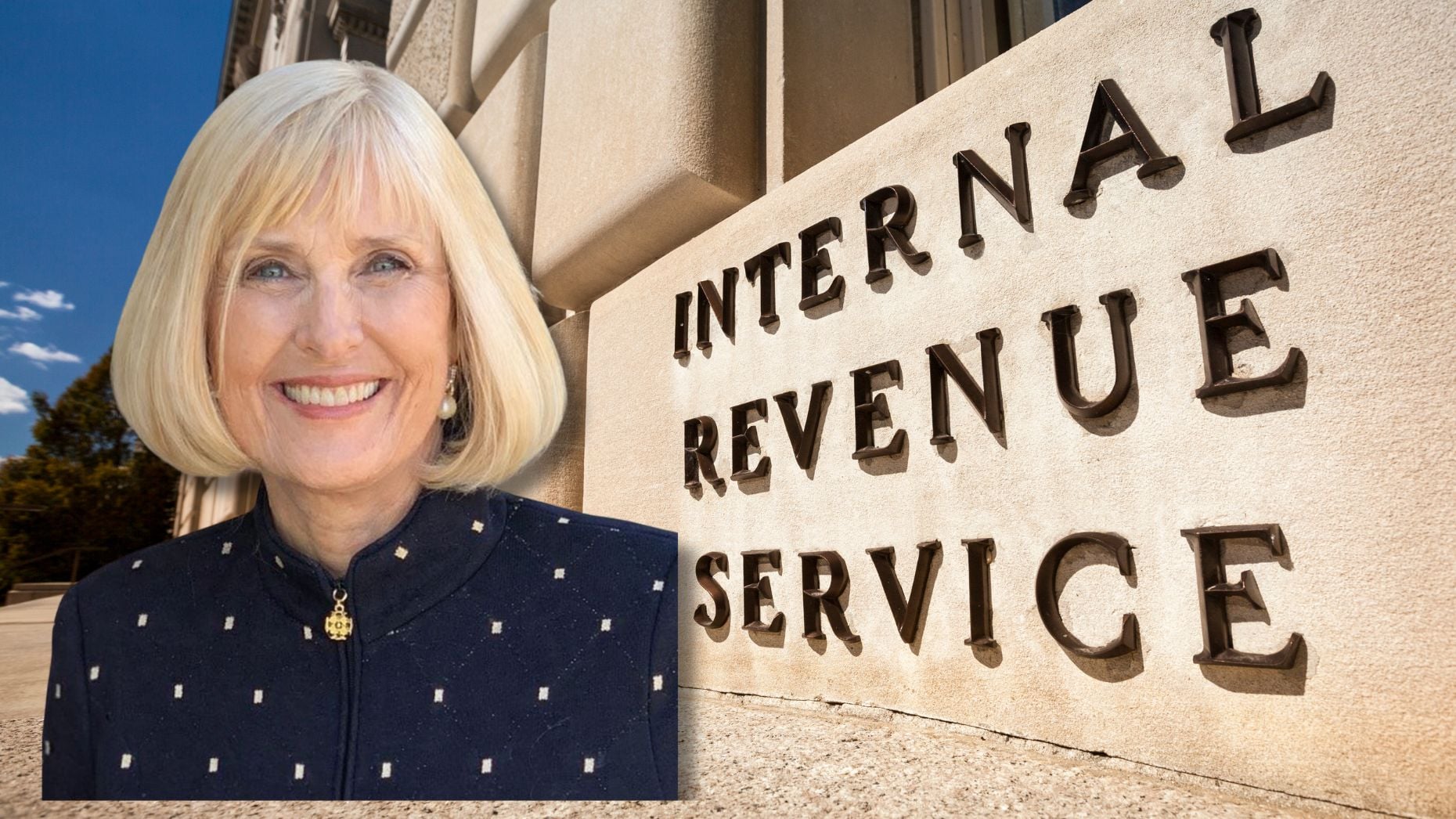
With April 15 just around the corner, now is the perfect time to sharpen your pencil to pay as little tax as possible to the IRS. Here are my top 10 income tax strategies for agents looking to reduce their taxes.
Note: Always check with your CPA or tax professional to determine which strategies are applicable for your particular tax situation.
10 hot income tax strategies for 2026
1. Qualified Business Income (QBI) Deduction
The 20 percent QBI deduction is one of the hottest topics on social media this year. However, there are some requirements that if not carefully followed can quickly disqualify you.
If you work full time in the real estate industry and your income is less than the maximum amount assigned by the IRS, you can take this deduction. If you work part-time or have another job (real estate is your “hobby”), you are unlikely to be able to take advantage of this deduction. Keeping accurate records is important, especially if you file a Schedule C rather than a business return. This includes receipts for all business expenses, such as canceled checks, credit card statements, and business mileage logs. Build a firewall between your business and personal spending. This is absolutely necessary. This includes keeping separate checking accounts, credit cards, and tracking business and personal expenses. Failure to do so can cause major problems and even lead to audits and disallowance of business deductions.
2. Home office deduction
I have been running my company virtually since 1998. Having a home office allows you to take advantage of additional deductions that you would not have had if you were working every day in a brokerage office. The key is to use your home office exclusively for business purposes. Problems are most likely to occur in rooms that are used for non-work purposes, such as bedrooms and dining rooms.
The formula my CPA advised me in claiming this deduction was to measure the area dedicated to my office. In my case, my husband and I both had separate offices, and the square footage of those offices was about 17 percent of the total square footage. This allows you to deduct 17 percent of all business expenses, including utilities, home insurance, telephone, internet, and cable.
We also just installed a new wall unit (capital improvement) for the podcast, and we plan to be able to depreciate it in 2026. Always check with your CPA to determine the amount that is allowable for a particular tax year.
3. Vehicle mileage deduction
First and foremost, you need to accurately track how many business miles you actually drove in a given year. Vehicle costs can be calculated in two different ways. The first strategy calculates all costs and makes deductions based on a percentage of the miles driven.
In my case, because my husband and I both use cars for work and I was depreciating my car, my CPA set up a 5-year depreciation schedule for my husband’s car and also allowed me to deduct expenses such as gas, insurance, registration, maintenance, and parking.
For my car, I take the standard IRS mileage deduction. That’s 70 cents per mile for business and 21 cents per mile for medical.
There are lesser-known pitfalls that most agents don’t know about. My CPA advised me that if you drive from your home to your real estate office, the IRS considers it personal, not business. However, if you stop for business purposes first, such as delivering an open house brochure, the entire trip cost is deductible.
When it comes to tracking your miles, you can do so with the mileage log you keep in your car. Enter your daily mileage and reason for the trip (customer name, offer presentation, physical exam, etc.). Alternatively, you can track your miles using a mileage tracker like MileIQ, Everlance, or Driversnote. You still need to track business objectives.
4. Marketing and advertising expenses
Marketing has always been one of the best sources of deductions for practicing real estate professionals. Whether it’s branding, print or digital marketing campaigns, agent items such as professional photographers or videographers, these are deducted directly from your business income. These costs add up, so keep track of every penny.
5. Article 179 equipment deduction
New computers, cameras, drones, lights, and other equipment used for business purposes can often be expensed in the year of purchase rather than depreciated over time. It is wise to check your income and expenses for November. If you think you need more deductions, December is the best time to buy these items and take the deduction for that tax year.
6. Continuing education fees and license fees
Not only can you deduct the cost of license renewals, CE classes, and designated courses, but you can also deduct the cost of business-related classes you take, books, and conferences, as well as travel and hotel expenses. This is a great way to stay ahead of the curve and get tax relief at the same time.
7. Retirement allowance contributions
IRAs are an important way to protect a portion of your income. Two of the most popular are SEP-IRA plans and Solo 401(k) plans. According to Mercer Advisors, “In 2025, real estate agents (self-employed) can put up to $70,000 (or 25 [percent] of net income) or Solo 401(k) (total of $70,000, including up to $23,500 in employee deferrals). Solo 401(k) plans allow for higher catch-up contributions ($7,500 to $11,250) and also offer a Roth option for agents age 50 and older. ”
This money grows tax deferred, and your contributions directly reduce your taxable income. Again, check with your CPA to determine if this is appropriate for your personal tax situation.
8. Health insurance premium deduction for self-employed people
Many agents pay thousands of dollars a year for health insurance. Self-employed individuals can deduct up to 100 percent of health, dental, and qualified long-term care for themselves, their spouse, and dependents. The good news is that you can still use this deduction even if you take the basic deduction.
9. Why you should consider forming an LLC or S-Corp
When I lived in California, I had 4 major audits in 7 years because I had legally reduced my tax liability to almost nothing, even though I was making a good income. I won the audit three times. But on the fourth day, the IRS agent refused to even look at all my receipts. It’s finally cheaper to pay the IRS than to keep sending your CPA to meet with them.
When I formed my LLC in 2007, the audit went away. In 2017, I formed an S-Corp and became my only employee. I pay myself a small salary that includes general deductions from my salary as required by law. The good news is that this limits the self-employment tax I have to pay.
Again, everyone’s tax situation is different and the rules vary widely from state to state, so bring your CPA or real estate/tax attorney into this discussion first so you can choose the structure that’s best for your business.
10. Professional Fees and Record Management Tools
CPA fees, tax software, and bookkeeping apps are also important sources of deductions. In addition to these fully deductible fees, you can also deduct expenses such as hiring an in-house or virtual assistant, business coaching fees, and fees paid to other agents to conduct open houses.
Use these income tax strategies to identify where you’re paying more to the IRS than you should. Every strategy you don’t use costs you real money and can make a difference in the quality of both your business and personal life. Start with two or three strategies that fit the way you do business, check with your CPA, and start building those deductions today.
