


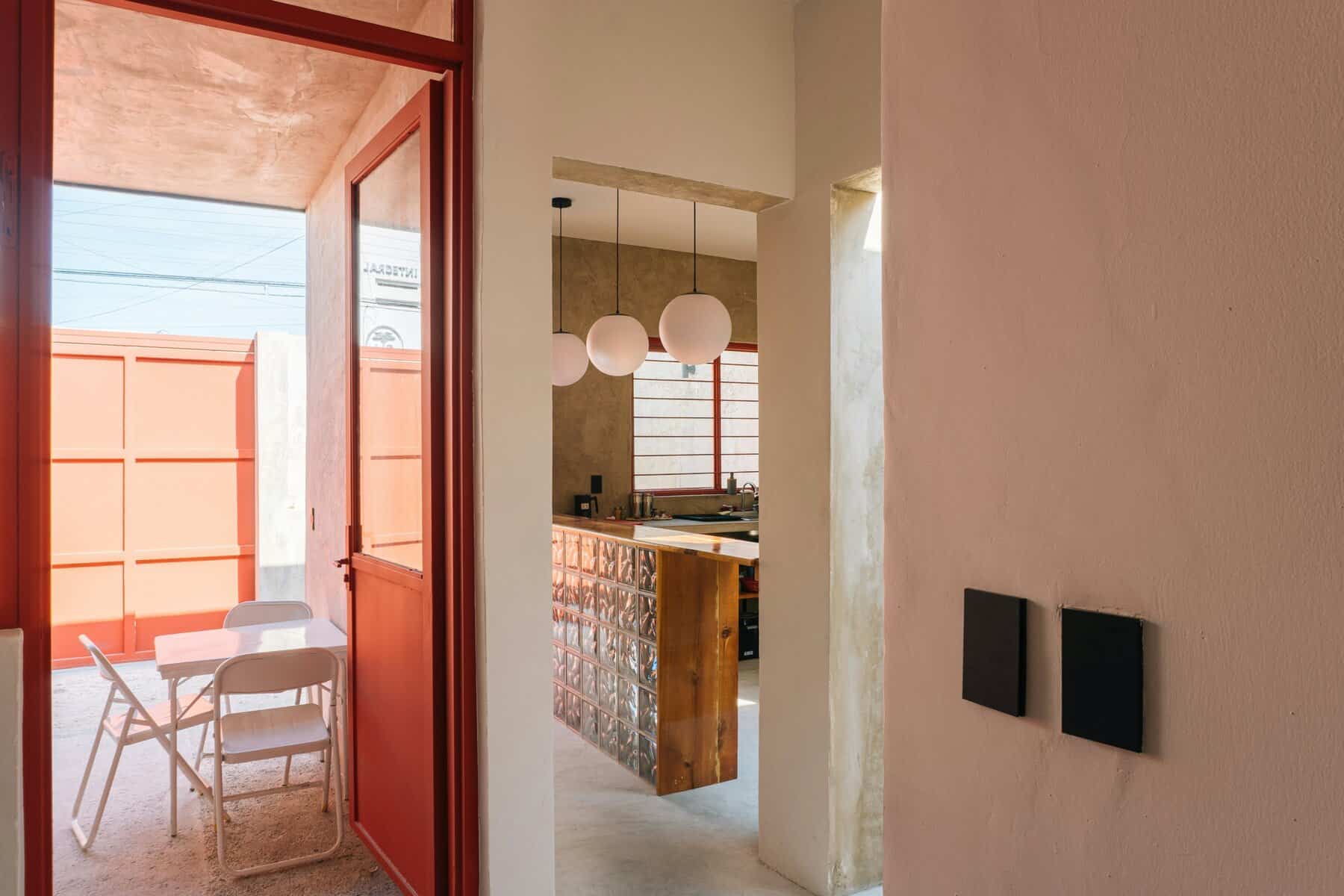
For many years, open floor plans dominated home design. Knocking down walls has become synonymous with “modern,” and buyers wanted one large, airy space where the kitchen, dining room, and living area all flow together. But tastes are changing, and a new layout style called broken floor plans is gaining traction.
If you’re renovating your home in Fort Myers, Florida, or looking for your next property in Houston, Texas, here’s what you need to know about broken floor plans and how they can impact both your daily life and resale value.
What is a broken floor plan?
Broken floor plans combine traditional closed layouts with open-concept designs. Instead of completely open spaces or completely enclosed rooms, broken floor plans use partial partitions to define areas while still allowing light and movement throughout the home.
Common features include:
Half walls or pony walls Glass partitions or steel framed windows Pocket or sliding doors Level changes such as recessed living rooms or raised dining areas Built-ins, shelving or fireplaces used as room dividers
Why homeowners are moving away from open concepts
Open floor plans aren’t going away, but many homeowners are becoming more aware of their downsides, especially in everyday life. Common concerns include noise that travels throughout the home, limited privacy in your work or study area, visible clutter on display at all times, and inefficient heating and cooling systems.
“Broken floor plans are becoming popular again because they restore the functionality of individual spaces,” explains bold interior designer Marieke Reichsen. “Open layouts feel expansive, but often struggle with acoustics, privacy, and clarity of purpose. With a more segmented layout, rooms can function better and feel more serene if transitions between spaces are handled intentionally.”
The charm of a broken floor plan
From a resale perspective, a broken floor plan can be a strategic choice if executed well.
Wide appeal and design possibilities
Some buyers prefer a completely open layout, while others prefer a more defined space. Broken floor plans tend to attract both groups, which helps make the home appealing to a wider range of buyers.
“You don’t see floor plans as broken as open floor plans, which are still common in new homes, or closed floor plans in historic homes,” says Stephanie Andrews, founder of Balance Design. “However, we are currently working on a historic home and are using a broken floor plan by opening up the walls on either side of the fireplace between the dining room and kitchen. This fireplace allows us to create a moody atmosphere in the dining room while keeping the kitchen bright.”
Improved functionality
Today’s buyers often prioritize layouts that support real life, such as remote work, quiet areas, and flexible living spaces. “Divided rooms make it easier to focus, rest, and pause, which we’ve seen firsthand in projects that include spaces like listening rooms, where enclosure is a point, not a drawback,” explains Emily Abruzzo, AIA, LEED AP, NCARB, Partner at Abruzzo Bodzack Architects.
“The same logic applies to workspaces at home. Being able to dedicate a dedicated room to work that closes off at the end of the day and separates it from home life supports healthier boundaries between work and life. As a result, you can adjust how you use your space throughout the day, rather than reducing its openness. “Separation also allows you to control lighting, heating, and cooling on a room-by-room basis rather than across a single large space, which is the standard approach for improving comfort and managing energy use.” concludes Abruzzo.
Higher-grade luxury
Architectural details such as glass walls, arched openings, and sliding doors are often interpreted as custom upgrades rather than standard features from the builder and can positively impact buyer perceptions. These elements add visual interest, improve light flow, and create separation between spaces.
Easier staging
In general, homes with defined areas are easier to stage. Buyers will immediately understand how the room functions, whether it’s a dining area, home office, or living space, without the need for any special explanation or imagination. This clarity makes for better photos of the home, reduces confusion for buyers during viewings, and helps potential buyers visualize themselves living in the space.
Do broken floor plans increase resale value?
Like a new kitchen or bathroom, a broken floor plan doesn’t automatically increase the value of your home. However, you can increase or protect your resale value by improving flow, ease of use, and overall appeal.
It tends to work best when:
The home feels overly compartmentalized The open layout lacks clarity Changes would improve natural light and traffic flow
Homes that feel balanced and functional often stand out to buyers and may sell faster or more competitively.
When a broken floor plan makes sense
Crumble floor plans are especially effective in older homes with small or closed rooms, or in homes with one large open area that feels unclear and difficult to use.
With the right decor and accessories, you can enhance your home even with a broken floor plan. “ProEdge At Remodeling, with over 60 years of experience and thousands of window projects in New England, the Northeast, and the Mid-Atlantic region, we understand how the right windows can transform a broken floor plan.Large picture windows let in natural light, define cozy reading nooks or quiet nooks, and create warm, inviting spaces. We’re also seeing a clear trend toward modern, custom choices, especially black and dark-toned frames, that offer a timeless look while improving energy efficiency and comfort. Window styles and strategic placement help segmented spaces feel open, functional, and inviting. said Jim Phillips, executive vice president of Remodeling.
This floor plan offers both practical functionality and the opportunity to highlight the design of each space. “Broken floor plans can feel ‘old-fashioned,’ but we love them when done right, especially when it comes to home architecture. Not every space needs to be wide open. Sometimes a little separation creates better flow and intentional opportunities for design moments. For example, a feature wall, art design, etc. splays, double-sided fireplaces, etc. I use millwork, cased openings, or subtle architectural details to define zones without making the home feel fragmented. When designed thoughtfully, a broken floor plan feels cozy. Curated and incredibly livable, that’s always the goal for me. Brooke Lang, principal designer and owner of Lang Designs, explains.
Balance privacy, flow, and functionality
Broken floor plans reflect the lives of people today. It provides privacy, flexibility, and visual appeal while retaining light and flow. From a real estate perspective, it strikes a balance between modern design and everyday functionality.
If you’re renovating with resale in mind, a carefully designed broken-down floor plan can make your current home more livable and more appealing to future buyers.
