


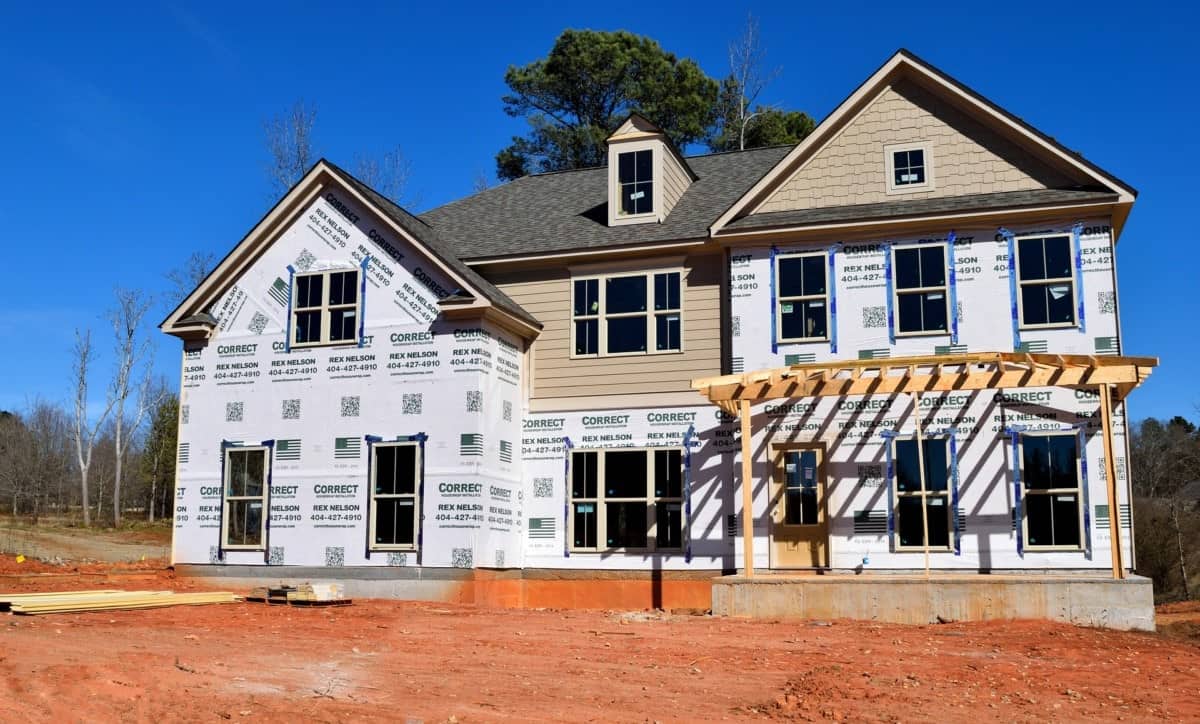
Building your own home is one of the most exciting and sometimes scary projects you’ll ever undertake. Between blueprints, budget, and contractors, there’s a lot to consider. But with a clear plan and the right team, you can go from vacant lot to front door key before you know it.
Whether you’re still dreaming of building a home in Chandler, Arizona, or ready to break ground in Naperville, Illinois, this Redfin guide will walk you through every step of the homebuilding process, from site selection to move-in date.
Phase 1: Planning and preparation
1. Define your vision and budget
Before you talk to a builder or tour a property, take the time to outline what you want in your new home and what you can realistically afford. Beyond square footage, think about how your home functions on a day-to-day basis.
Ask yourself:
How many bedrooms and bathrooms do you need now and in five years? Do you prefer open-concept living or a traditional layout? Do you need energy-efficient upgrades or smart home features? What is your budget, including land, permits, labor, finishes, landscaping, and contingencies?
Many experts recommend setting aside an additional 10 to 15 percent in reserve funds for unexpected expenses. Establishing a clear financial plan early will reduce stress and prevent mid-construction design changes.
2. Select the right lot
Lots affect design possibilities, cost, and resale value. Beyond location and commute time, investigate practical factors that can impact your construction schedule and budget.
Important considerations before purchasing land include:
Access to utilities (water, sewer, septic, electricity, gas) Zoning and HOA regulations Site slope and drainage Soil conditions and foundation requirements Future neighborhood development plans
Your real estate agent or builder can help you evaluate whether a property meets your home design intentions and long-term investment goals.
3. Build your dream team
The success of your home construction project depends on hiring a reliable and experienced professional. The team may include:
A licensed builder or general contractor An architect or home designer A licensed financier A real estate agent who specializes in new construction
Take the time to compare bids, review portfolios, review references, and fully understand contract terms. Clear communication about budget, materials, timelines, and payment schedules will set expectations and prevent misunderstandings later on.
Phase 2: Permits, Design, and Groundbreaking
4. Securing building permits
Before construction begins, several local building permits are required to ensure your new home meets safety and zoning requirements. This step is usually handled by your builder, but it’s important to know what’s involved and what it will cost.
Common permits for new housing include:
Building Permit: Covers the entire structure. Costs typically range from $1,000 to $3,000, depending on location and project size.
Electrical Permit: Required for all wiring and electrical systems. Expect to pay between $50 and $500. Plumbing Permits: Ensure water and sewer pipes are installed correctly. Usually between $50 and $500. Mechanical/HVAC Permit: Covers heating, ventilation, and air conditioning systems. Usually between $50 and $500. Septic tank permit: Required if your home is not connected to the city sewer system. Costs often range from $300 to $1,000. Land Disturbance or Land Clearance Permit: Required if land is to be cleared or cleared. Usually between $50 and $500.
Permit prices vary widely by city and county, but budgeting a few thousand dollars is a good starting point at this stage. Identifying these early on can help keep your project on track and avoid unexpected delays in the future.
5. Finalize the design and floor plan
Now comes the fun part, turning your ideas into detailed plans. Work with architects and builders to improve:
Room dimensions and layout Window placement for natural light Storage and closet configuration Exterior materials and architectural style Interior finishes and fixtures
Consider both your current needs and resale value. Functional flow lines, ample storage space, and adaptable space will make your home more livable and more appealing to future buyers.
6. Site preparation and basics
Once the permit is approved, physical construction begins. The site is cleared, cleared and ready for public works. The type of foundation (slab, crawlspace, or basement) depends on your climate, soil conditions, and budget.
Inspections are carried out at this stage to ensure structural integrity and compliance with standards. A properly installed foundation is extremely important as it will support your entire home for decades to come.
>>Read: What is a stage inspection for a new home?
Phase 3: Frameworks, Systems, and Structures
7. Plumbing, Electrical, and HVAC Installation
Once the foundation has cured, the contractor will install critical systems behind the walls. This stage includes water pipes, electrical wiring, ductwork, and ventilation systems.
Inspection is especially important because these components will soon be covered with drywall.
Jason, president of Bald Eagle Inspection Services, explains:
“During new construction, many buyers assume everything is correct just because the home is brand new. In reality, problems with framing, moisture management, insulation, and mechanical equipment are often easier and cheaper to fix during construction than after completion. I recommend inspecting at key stages, such as pre-drywall and the final walk-through, so you can address defects before they become long-term performance concerns.”
8. Framing the house
This is when your vision begins to take shape. Assemble floors, walls, roof trusses, and exterior materials to give shape to your floor plan.
This is often an exciting milestone because you can actually walk around the room and visualize furniture placement, natural light, and traffic flow.
9. Insulation and drywall
Insulation improves energy efficiency and comfort by reducing heat transfer and controlling moisture. Options include fiberglass batts, spray foam, and blown-in insulation, each with different cost and efficiency benefits.
After installing the insulation, install the drywall and tape it in place. At this point, your home will transform from a construction site to a recognizable living space.
Phase 4: Finishes and supplies
10. Interior and exterior finishing
The key here is details like siding, roofing, flooring, cabinetry, and paint. You’ll have dozens of designs to choose from here, so organize and check your materials early to avoid supply delays.
Small decisions can have long-term effects.
“Building a home may seem easy, but there are many details that are often overlooked and ultimately determine the final design,” says Lori Miller of LGC Interior Design. “Outlet placement, molding details, and closet space are especially important.”
11. Fixtures, appliances, and lighting
Builders install light fixtures, plumbing hardware, countertops, and built-ins. Household appliances such as the kitchen and washing machine will also be placed here. At this point, your new home looks almost move-in ready.
12. Landscaping and outdoor spaces
Once construction is complete, you can add the finishing touches on the outside of your home. This stage may include grass or lawns, simple plants, walkways, or basic irrigation.
Landscaping costs vary, but most homeowners spend several thousand dollars on important yard work. Even small additions can add a sense of completion to your home and increase curb appeal.
Phase 5: Final steps and move-in
12. Final inspection
Your local building inspector will make sure everything meets codes and safety standards. Once approved, you will receive a certificate of occupancy, which means the home is officially ready to live in.
13. Walkthrough and Punch List
Please go through the detailed tutorial with the builder before closing. Check for any unfinished or incomplete details, such as stuck cabinets, missing hardware, or small paint corrections, and add them to your punch list for completion.
14. Move and enjoy your new home
Once everything is done, it’s time to move in and make your new home your home. Keep all warranty information and contact details handy in case you run into any minor issues during the first year. That’s what a builder warranty is for.
Build Smarter, Dream Big
Building a home is creating a space that suits your lifestyle. From your first sketch to your first night indoors, each step brings you closer to a place that’s truly yours.
Stay organized, communicate frequently with your team, and celebrate milestones along the way. Once the problem is solved, a house for your story will be built.
Frequently asked questions before building a house
How long does it take to build a house?
Most homes take six to 12 months from permitting to completion, depending on weather, complexity, and material availability.
Is it cheaper to make or buy?
Building one allows for control and customization, but it’s often more expensive than buying an existing home, especially when you add in soft costs like land, permitting and design fees.
What is the biggest mistake first-time builders make?
Underestimate cost and time. We always include a 10-15% contingency budget and expect some delays. Your patience will be rewarded when you see the final result.
What costs the most money to build a house?
The most expensive part of building a home is usually the framing and overall structural work. This includes the foundation, framing materials, and labor required to build the skeleton of the home.
